Last Updated on October 4, 2026 by Umar Farooq
What PSI pressure washer do I need? For most homeowners, 2,000–2,500 PSI is the right all-purpose range. It handles cars, siding, fences, patio furniture, decks and moderately dirty concrete when paired with the correct nozzle and working distance.
Go lower — 1,200–1,800 PSI — if you mainly wash vehicles, furniture and delicate surfaces. Go higher — 2,500–3,200 PSI — if concrete driveways and heavily stained patios are your regular jobs.
Here is what most buying guides bury: the PSI number on the box is not the pressure that reaches your surface. Nozzle angle, distance, flow rate and detergent change the real cleaning force by an order of magnitude. A well-used 1,800 PSI machine outperforms a badly-used 3,000 PSI machine on almost every household surface. This guide covers both halves — picking the number, and controlling it.
Quick Pressure Washer PSI Chart
| Cleaning job | Recommended PSI | Preferred nozzle |
| Cars, motorcycles, boats | 1,200–1,500 | 40° white |
| Bicycles and patio furniture | 1,000–1,500 | 40° white |
| Wood decks and fences | 500–1,500 | 25° green or 40° white |
| Composite decking | 1,500–2,000 | 25° green or 40° white |
| Vinyl siding | 1,300–1,600 | 40° white |
| Stucco and EIFS | 200–600 (check manufacturer) | 40° white |
| Brick and pavers | 1,500–2,500 | 25° green |
| Concrete patios and sidewalks | 2,000–3,000 | 25° green or surface cleaner |
| Concrete driveways | 2,500–3,200 | 15° yellow or 25° green |
These ranges overlap deliberately. Pressure alone never determines whether a surface cleans safely — it is one input among four.
What PSI Pressure Washer Do I Need for General Home Use?
If you want a single machine for a typical suburban home, buy 2,000–2,500 PSI with at least 1.4 GPM.
That range is the sweet spot because it sits above the threshold where concrete becomes frustrating (roughly 1,800 PSI) while staying low enough that you are not one careless moment away from damaging siding or wood.
| Home profile | Recommended spec | Type |
| Apartment, patio, car only | 1,300–1,800 PSI, 1.2 GPM | Electric |
| Small home, occasional use | 1,800–2,200 PSI, 1.4 GPM | Electric |
| Average home, mixed jobs | 2,000–2,500 PSI, 1.6 GPM | Electric |
| Large home with long driveway | 2,500–3,000 PSI, 2.0+ GPM | Gas |
| Acreage, outbuildings, equipment | 3,000–3,500 PSI, 2.5+ GPM | Gas |
Buying above your needs is not free. Higher-PSI gas machines are heavier, louder, require oil changes and fuel stabilizer, and give you more ways to damage things. Buy for the jobs you actually do monthly, not the job you might do once.
PSI vs GPM: Which Number Actually Matters?
This is the most misunderstood spec in the category, so here is the plain version.
PSI is impact. GPM is rinse volume.
- PSI breaks the bond between dirt and the surface.
- GPM carries that loosened dirt away and covers area.
Neither works alone. A 3,000 PSI machine at 1.0 GPM will blast a small spot clean and then take forever to finish a driveway. A 1,500 PSI machine at 3.0 GPM will flood a surface with water but struggle to lift baked-on stains.
Cleaning Units: The Number the Box Does Not Print
Multiply the two:
Cleaning Units (CU) = PSI × GPM
| Machine | PSI | GPM | Cleaning Units |
| Entry electric | 1,600 | 1.2 | 1,920 |
| Mid electric | 2,000 | 1.4 | 2,800 |
| Top electric | 2,300 | 1.8 | 4,140 |
| Mid gas | 2,800 | 2.5 | 7,000 |
| Large gas | 3,300 | 2.8 | 9,240 |
Cleaning units are the honest measure of how fast a machine finishes a job. Two machines with identical PSI can differ by 100% in real-world speed. When comparing two washers at the same price, the one with higher GPM will almost always finish faster.
Which Should You Prioritize?
| Your main job | Prioritize |
| Washing a house or siding | GPM — it is a rinsing job |
| Driveways and concrete | Both, weighted to PSI |
| Cars and vehicles | Neither is high — low PSI, moderate GPM |
| Decks and fences | GPM — low PSI is required anyway |
| Stripping paint or heavy equipment | PSI |
What PSI Do You Need for a Car?
1,200–1,500 PSI with a 40-degree nozzle. Never exceed roughly 1,900 PSI on automotive paint.
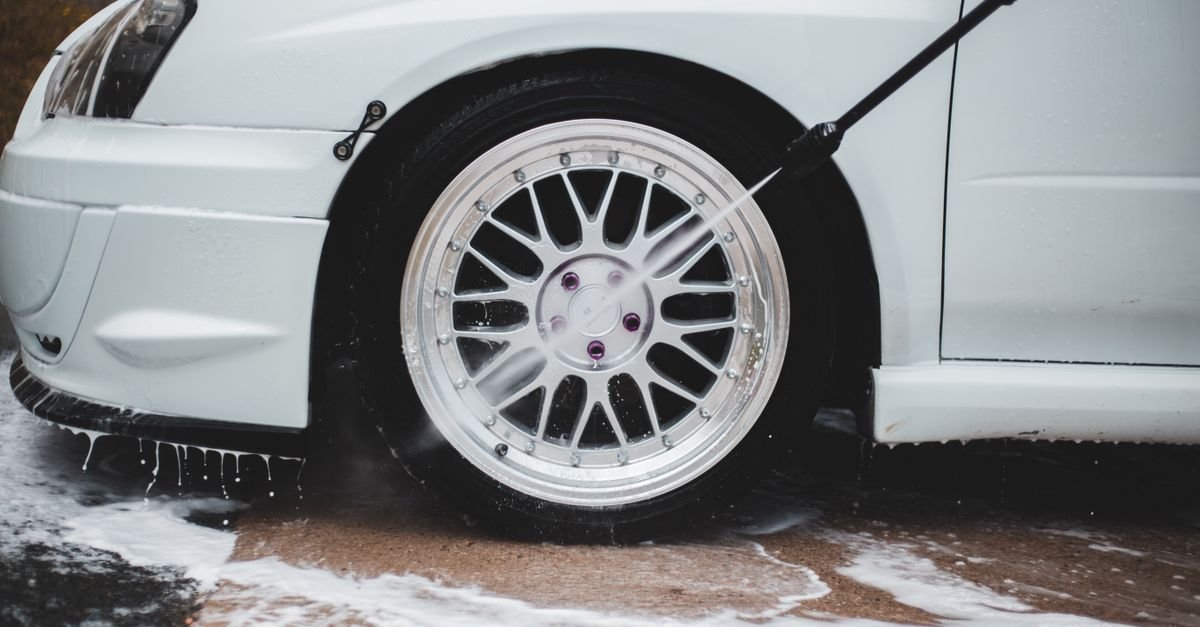
Above that, you risk lifting clear coat at chips and stone-strike points, forcing water past door and window seals, damaging vinyl wraps and decals, and stripping wax.
Practical rules:
- Keep the wand at least 12 inches from paint, and 24 inches from any existing chip or peeling area.
- Never use 0° or turbo nozzles anywhere on a vehicle.
- Approach panel gaps and mirror housings at an angle, not straight on.
- Use a foam application first — chemistry beats pressure on road film.
If you own a 2,500 PSI machine, you can still wash a car with it safely using a 40-degree nozzle at 18 inches. Pressure control is about the whole setup, not the pump rating.
What PSI Pressure Washer Do I Need for a Wood Deck?
500–1,200 PSI for softwoods (pine, cedar, redwood) and 1,200–1,500 PSI for hardwoods (ipe, mahogany).

Wood is the surface where people do the most damage, because the failure mode is delayed. Excess pressure raises the grain and furs the surface — it looks fine wet, then dries rough and splintery within a week and needs sanding.
- Use a 25° or 40° nozzle, never narrower.
- Keep the wand 12–18 inches away and moving.
- Spray with the grain, in overlapping passes along each board.
- Never stop the stream on one spot.
- Test on the least visible board first, let it dry fully, then judge.
What PSI Is Best for Vinyl Siding?
1,300–1,600 PSI with a 40-degree nozzle at 18 inches.
Siding damage is usually about angle, not pressure. Vinyl panels overlap like shingles with open bottom edges — spray angled upward drives water behind them into the sheathing where it cannot dry.
Note that some manufacturers advise against pressure washing entirely. CertainTeed’s own guidance states they *”do not recommend power washing vinyl or polymer siding as it can cause moisture intrusion, damage, and/or discoloration”* — see the CertainTeed cleaning guide. Check your brand before you start.
Simple Green’s siding method — 25–40° nozzle, minimum 18-inch distance, detergent bottom-to-top and rinse top-to-bottom — is documented in their vinyl siding cleaning instructions.
For the full breakdown including 2-story homes and older oxidized siding, see what PSI pressure washer for vinyl siding.
What PSI Do You Need for Concrete and Driveways?
| Surface | Recommended PSI | Notes |
| Concrete driveway | 2,500–3,200 | A surface cleaner attachment saves hours |
| Concrete patio / sidewalk | 2,000–3,000 | Watch for etching on decorative finishes |
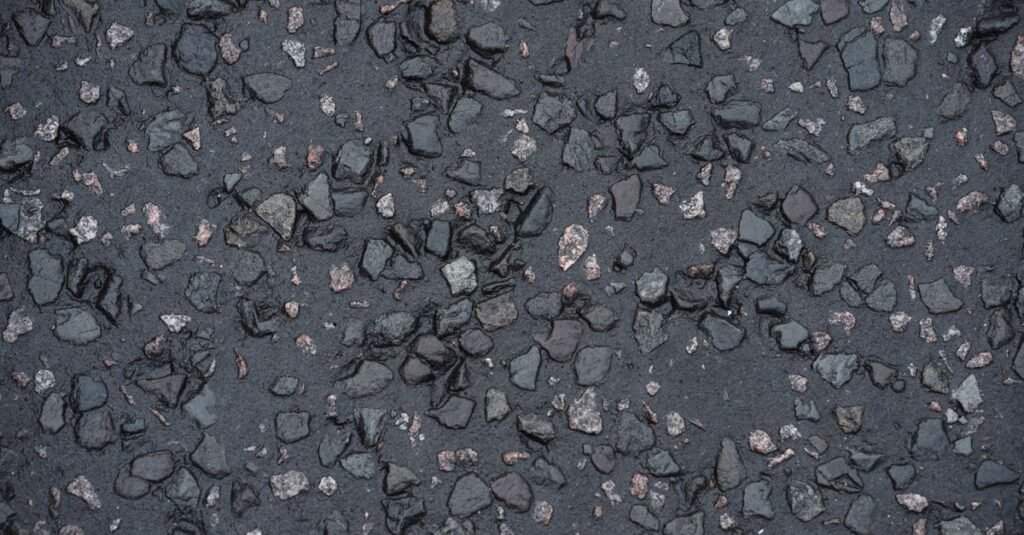
| Asphalt driveway | 1,000–1,500 (2,200 max) | Softer than concrete; high PSI dislodges aggregate |
| Paver driveway | 1,500–2,500 | Will remove joint sand — plan to re-sand |
| Stamped or colored concrete | 1,500–2,000 | Sealer damages easily |
| Concrete under 12 months old | Wait, or 1,200 max | Still curing |
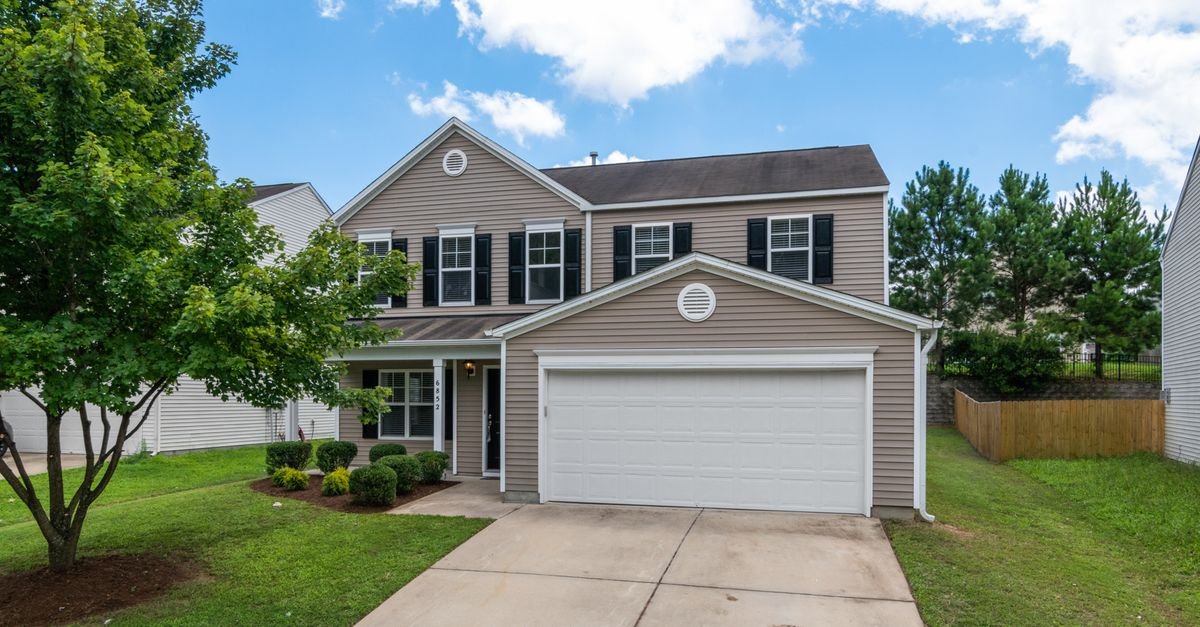
Asphalt is the trap. It looks like concrete and gets treated like concrete, but the binder is far softer. Above about 2,200 PSI you start pulling loose aggregate out of the surface. See can you pressure wash asphalt driveway for the full method, and can you pressure wash concrete for concrete-specific cleaning.
Maximum PSI Is Not the Pressure You Clean With
Four things control the force actually delivered:
1. Nozzle angle. The same pump feels completely different through different tips. A 0° nozzle concentrates the entire flow into a pencil jet; a 40° nozzle spreads it across a wide fan. Effective impact per square inch can differ by more than 10×. Our pressure washer nozzle chart covers each tip.
2. Distance. Impact falls off rapidly as you back away. Halving your distance roughly quadruples the force on the surface. Distance is a control, not a detail.
3. Flow rate. Higher GPM does more work at the same PSI.
4. Detergent and dwell time. Chemistry that is given time to work eliminates the need for high pressure entirely. Most people who “need” 3,000 PSI actually need to let soap sit for eight minutes.
Does Your Water Supply Support the Machine?
A high-GPM washer starves if your spigot cannot feed it, which causes cavitation and pump wear.
The bucket test: fill a 5-gallon bucket from your outdoor tap and time it.
| Fill time | Available GPM | Max machine |
| 40 seconds | 7.5 | Any homeowner unit |
| 60 seconds | 5.0 | Any homeowner unit |
| 90 seconds | 3.3 | Up to ~2.8 GPM |
| 2 minutes | 2.5 | Up to ~2.0 GPM |
| 3 minutes | 1.7 | Up to ~1.4 GPM (electric only) |
Also use a 5/8-inch or larger supply hose, keep it as short as practical, and avoid kinks. A restricted inlet is one of the most common causes of poor performance — see pressure washer won’t start for related diagnostics.
Electric vs Gas: Which PSI Class Fits You?
Choose electric (1,300–2,300 PSI) when:
- Your jobs are cars, siding, furniture, decks and small patios
- You want quiet operation and no maintenance
- You will use it a few times per season
- You need to work near windows, in a garage, or in a townhome
Choose gas (2,500–4,000 PSI) when:
- Concrete cleaning is a regular job, not an occasional one
- You have a long driveway, large patio or outbuildings
- You will use a surface cleaner attachment
- You need to work away from power outlets
Gas machines cost more to own — oil changes, fuel stabilizer, winterization, spark plugs. Electric machines start instantly and need almost nothing. Our electric vs gas pressure washer comparison covers the full trade-off.
Buying the Right PSI Without Overspending
Buy 1,200–1,800 PSI if: you wash cars, bikes, grills and patio furniture, and your outdoor hard surfaces are small.
Buy 2,000–2,500 PSI if: you want one machine for the whole house — siding, deck, fence, furniture, car and a modest patio. This covers the majority of homeowners.
Buy 2,500–3,200 PSI if: you have a real concrete driveway, heavy staining, or plan to use a surface cleaner.
Buy above 3,200 PSI only if: you clean farm equipment, commercial surfaces, or prepare surfaces for coatings. This is not homeowner territory and the injury risk climbs sharply.
Pressure Washer Safety at Every PSI
Even a 1,600 PSI machine can cause an injection injury — a wound that looks minor on the skin while driving water and bacteria deep into tissue. These require immediate medical attention and are frequently underestimated.
- Never point the wand at people, pets or yourself.
- Wear eye protection and closed shoes. Never wear sandals.
- Never operate from a ladder.
- Never run a gas engine in a garage, even with the door open.
- Engage the trigger lock whenever you set the wand down.
- Assume the spray will throw stones and paint chips back at you.
Common PSI Selection Mistakes
Buying the highest PSI available. More pressure is more risk and more weight, not more capability.
Ignoring GPM. Two 2,000 PSI machines can differ by 60% in real cleaning speed.
Using a narrow nozzle to reach higher. A 15° nozzle does not extend reach usefully — it just concentrates damage. Use an extension wand.
Holding the wand too close. The most common cause of deck furring, siding streaks and paint damage.
Skipping detergent. Pressure compensating for missing chemistry is how surfaces get damaged.
Using a turbo nozzle everywhere. Turbo tips belong on concrete, nowhere else.
Pressure washing damaged material. Cracked stucco, loose siding, peeling paint and rotten wood all get worse. Repair first.
FAQ
What PSI pressure washer do I need for most home use?
2,000–2,500 PSI with at least 1.4 GPM covers cars, siding, decks, fences, furniture and moderate concrete. This is the right answer for most homeowners buying one machine.
Is 2000 PSI enough to clean concrete?
Yes for patios, sidewalks and light staining, especially with a surface cleaner attachment. For a driveway with oil spots and heavy embedded dirt, 2,500–3,000 PSI works noticeably faster.
Is 1800 PSI enough for home use?
For cars, furniture, siding, fences and small patios, yes. For a full concrete driveway it will work but slowly. If concrete is a priority, step up to 2,300+ PSI.
Is 3000 PSI too much for washing a car?
The machine is not too much, but 3,000 PSI applied directly is. Fit a 40-degree nozzle and stay 18+ inches back so the effective pressure lands near 1,200–1,500 PSI.
What PSI should I use to wash a house?
1,300–1,600 PSI for vinyl siding, 200–600 PSI for stucco and EIFS, and 400 PSI or less for brick, which is the Brick Industry Association ceiling. Verify your siding manufacturer permits pressure washing at all.
Can you adjust the PSI on a pressure washer?
Most homeowner machines have no dial. You adjust effective pressure by changing the nozzle, changing your distance from the surface, and using the soap setting. Some higher-end and commercial units include an adjustable unloader valve.
What PSI is needed to remove paint?
Roughly 2,500–3,000 PSI with a 15° nozzle will lift failing paint from masonry. This is a stripping operation, not cleaning, and it will damage wood. If the building predates 1978, stop and follow lead-safe renovation requirements before disturbing any paint.
Does a surface cleaner need high PSI?
Surface cleaners work best above roughly 2,000 PSI and benefit heavily from GPM — 2.0+ is ideal. Below that, the rotating bar spins slowly and leaves stripes.
What PSI pressure washer should a first-time homeowner buy?
A 2,000–2,300 PSI electric with 1.4–1.6 GPM. It is quiet, needs no maintenance, cannot easily destroy your siding, and handles roughly 90% of household jobs.
Does higher PSI clean faster?
Not usually. Cleaning speed depends more on GPM and coverage width. Higher PSI helps with stubborn bonded stains, but for most household dirt, flow rate and detergent dwell time determine how fast you finish.
Buy 2,000 PSI and Learn Your Nozzles
What PSI pressure washer do I need? Buy 2,000–2,500 PSI with 1.4+ GPM unless you have a specific reason not to. That range is the most useful compromise available to a homeowner: strong enough for concrete, gentle enough for siding and wood when used correctly.
Then remember that the number was the easy decision. Every surface in this guide has a *different* safe pressure, and you control the difference with your nozzle, your distance and your patience with detergent — not by buying a bigger pump.
The homeowner who understands nozzle selection on a 2,000 PSI machine will get better, safer results than the one who bought 3,300 PSI and points it at everything.