Last Updated on September 23, 2026 by Umar Farooq
What PSI is a good pressure washer? A good figure is 1,300-2,000 for an electric homeowner machine, 2,000-3,200 for a gas homeowner machine and 3,200-4,400 for prosumer gear — but “good” is a property of the whole spec sheet, not of that one number.
That distinction is the entire point of this page. If you want the job-by-job number for your driveway or your siding, that question already has its own answer over at what PSI pressure washer do I need. This one is narrower and, if you are standing in an aisle comparing two boxes, more useful: how to tell whether a PSI figure is a good figure at all.
Is 2,000 PSI Good? It Depends What Is Behind It
Two machines both say 2,000 PSI. One pairs it with 1.2 GPM, an axial pump and a three-nozzle set. The other pairs it with 2.0 GPM, a triplex pump and five tips including a soap nozzle. The second will clean a patio in roughly two-thirds the time and still be alive in six years. The PSI figure is identical. Nothing else about them is.
So: 2,000 PSI is a respectable number for an electric machine and an unambitious one for a gas machine, and in neither case does it tell you whether the machine is any good. It tells you how hard the water hits. It says nothing about how much water there is, what is producing it, or how long that thing will last.
What the Number on the Box Is Actually Measuring
Here is the part almost nobody prints. I went looking for a manufacturer willing to say it plainly, and Generac’s own support pages do.
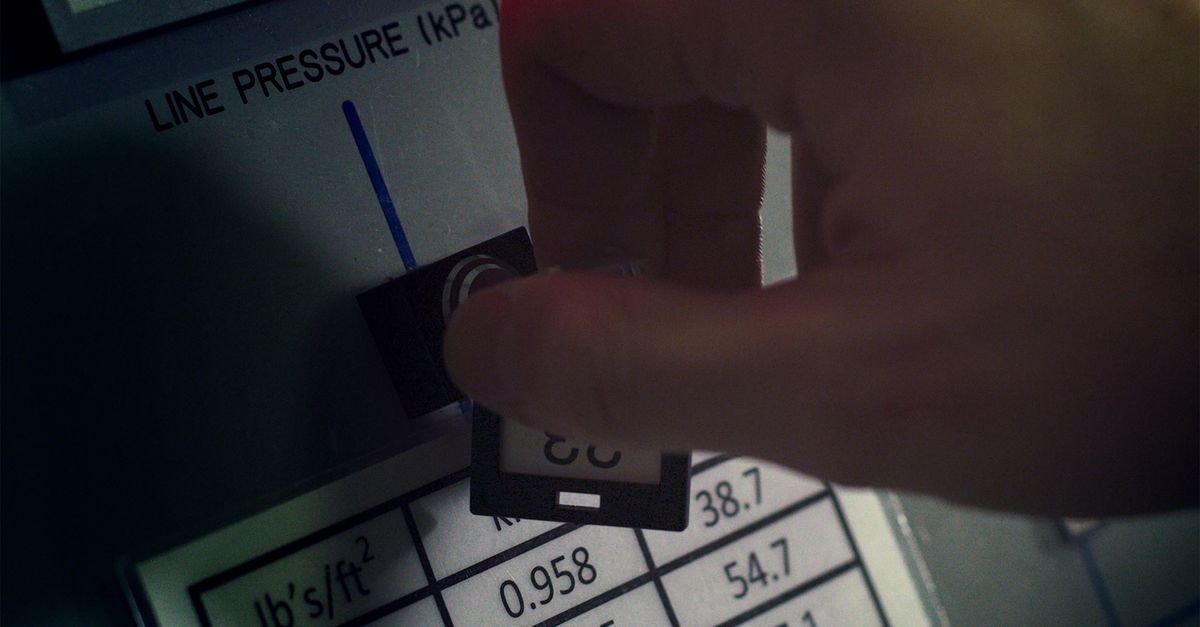
A pressure washer’s headline PSI is a system rating, not a pump rating. It is measured with the hose, gun, lance and — critically — the nozzle with the smallest orifice fitted. Push the same flow through a smaller hole and the pressure at the tip rises. That is not marketing. That is a nozzle doing its job.
The consequence is startling written down. Generac states that its 3,100 PSI pressure washer is built around a 2,400 PSI pump. Seven hundred PSI of the headline figure comes from the plumbing and the tip.
The number is real, then — you can genuinely produce it, with the red 0-degree nozzle fitted, which is the nozzle you should almost never fit. Every other tip in the bag delivers less, and the black soap nozzle delivers a small fraction of it on purpose. The rated PSI is the ceiling of one narrow test condition, not the pressure you clean at.
(If you have ever swapped to the widest tip, felt the machine go soft and assumed something had broken, this is why. Nothing broke. You changed the test conditions.)
Good PSI Figures by Machine Class
A PSI figure is only judgeable against its class. Here is where each class genuinely sits.
| Class | Good PSI range | Paired GPM | Cleaning units | Reads as suspicious when |
| Electric, homeowner | 1,300-2,000 | 1.2-1.6 | 1,600-3,200 | It claims 3,000+ on a household plug |
| Gas, homeowner | 2,000-3,200 | 2.0-2.8 | 4,000-9,000 | PSI is high and GPM sits under 2.0 |
| Gas, prosumer | 3,200-4,400 | 3.0-4.0+ | 9,600-17,600+ | The pump is described only as “heavy duty” |
Read the right-hand column as a sniff test. An electric machine advertising 3,000 PSI is either quoting a very generous momentary figure or pairing it with a flow rate so low that the machine crawls. A household outlet has a hard electrical ceiling, and physics does not negotiate with a product page.
Cleaning units — PSI multiplied by GPM — is the quick comparison. A 2,500 PSI / 4.0 GPM machine at 10,000 CU beats a 4,000 PSI / 1.5 GPM machine at 6,000 CU on flatwork, and does less damage getting there. The GPM side of that trade-off has its own guide, because flow is the spec people under-buy every time.
Four Lines on the Spec Sheet That Outrank the Headline PSI
If you read only four lines of a spec sheet, read these, in this order.
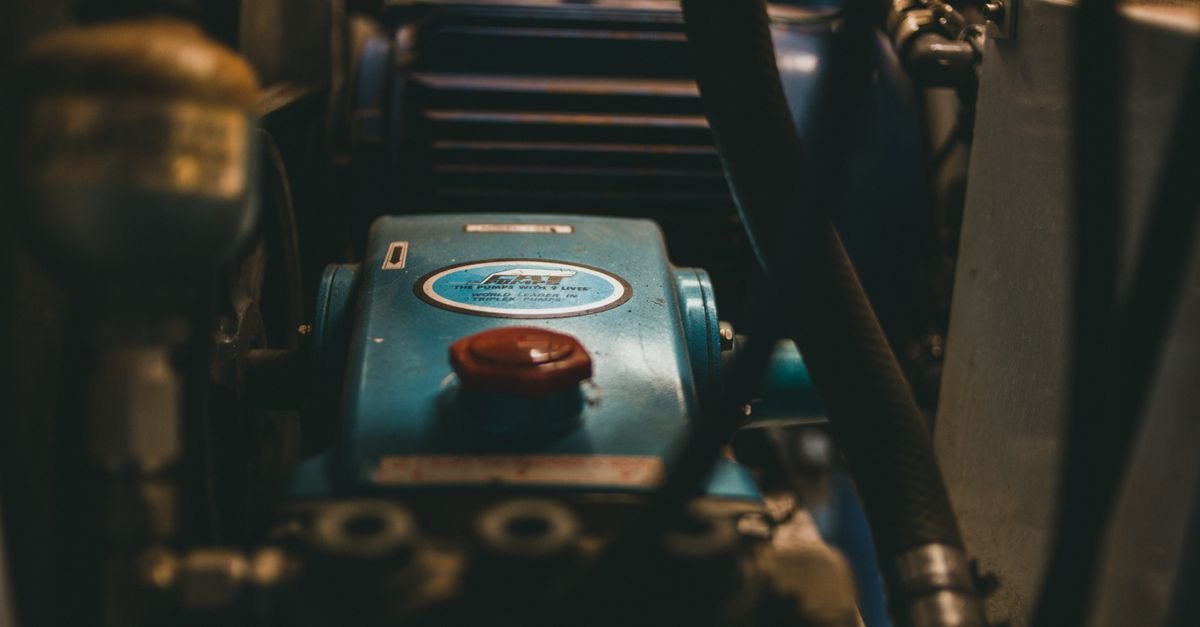
1. The pump type. You are not buying a pressure washer. You are buying a pump with a motor attached. Axial pumps are sealed wobble-plate units that are not designed to be rebuilt — when they go, the machine goes. Triplex pumps have serviceable valves and seals and will outlast several engines. That difference, not the PSI figure, is what separates a machine that lasts two seasons from one that lasts ten. If the listing does not name the pump type, assume axial.
2. GPM, printed next to the PSI. A high PSI figure with a shy GPM figure is a machine tuned to win a shelf comparison. Multiply the two and compare cleaning units instead.
3. Whether anyone other than the manufacturer tested the rating. Briggs & Stratton states on its 4,000 PSI machine’s product page that, as a Pressure Washer Manufacturers’ Association member, it “tests every power washer it designs through a third-party testing program to validate our claims of performance.” Most brands say nothing of the sort anywhere. Silence is not proof of a bad machine, but it is worth noticing who bothers.
4. The nozzle set. Five tips including a black soap nozzle means the machine was designed expecting you to use detergent. Three tips and no soap nozzle means the design assumed you would solve everything with pressure, which is how surfaces get wrecked. Our nozzle chart covers what each colour actually delivers.
The Surfaces Where a Lower Number Is the Better Machine
The word “good” quietly assumes more is better. On most of what sits around a house, more is measurably worse.

| Surface | Where the ceiling sits | What exceeding it does |
| Softwood decking | 500-600 PSI | Tears fibre loose; the surface furs as it dries |
| Painted wood | 500-800 PSI | Lifts paint in patches, not in a clean line |
| Vinyl siding | 1,300-1,600 PSI | Drives water behind the laps |
| Stucco | 1,200-1,500 PSI | Opens the surface and the cracks under it |
| Current-generation Trex | 3,100 PSI, fan tip, 8 inches minimum | Voids the warranty, in writing |
| Asphalt shingles | Do not pressure wash at all | Strips the granule layer off the roof |
Trex is worth reading for yourself, because it is a manufacturer committing to a number in public. Trex publishes 3,100 PSI as the ceiling for Transcend, Enhance and Select boards, with a fan tip held no closer than eight inches — and says early-generation boards should not be pressure washed at all, with warranty consequences if they are.
Now line that list up against the class table. A 4,000 PSI prosumer machine exceeds the published limit of every surface there except concrete. It is an excellent machine, and for a suburban house it is mostly a way to own more ways to make an expensive mistake. If a once-a-year driveway is the only reason the big number is tempting, rent the big number for a day and keep the smaller machine for the other fifty-one weekends.
FAQ
Is 2000 PSI good for a pressure washer?
For an electric homeowner machine, yes — it sits at the top of the normal 1,300-2,000 range and handles cars, furniture, fences, siding and patios. For a gas machine it is the entry point rather than a strong figure. Check the GPM printed beside it before deciding either way.
Is 3000 PSI too much for home use?
Not to own, but it is more than most household surfaces tolerate. At 3,000 PSI you are above the published ceiling for softwood, painted wood, vinyl siding and stucco, so most of your cleaning will happen at a wider tip and a longer distance regardless. It earns its keep on concrete flatwork and not much else around a typical house.
Is a higher PSI pressure washer always better?
No. PSI breaks the bond between the dirt and the surface; GPM carries the mess away. Raise PSI without raising flow and you get a machine that cleans a narrow stripe slowly and etches whatever it is pointed at. That is why cleaning units, not PSI alone, is the comparison worth making.
Does a pressure washer actually reach its max PSI?
Only with the smallest-orifice nozzle fitted, which is usually the 0-degree red tip. The rating is measured across the whole system — hose, gun, lance and that specific nozzle — so every wider tip delivers less, and the soap nozzle delivers a small fraction of it by design.
What is a good PSI and GPM combination for a house?
Around 2,000-2,500 PSI at 1.6-2.0 GPM covers almost everything a suburban house needs, which works out at roughly 3,200-5,000 cleaning units. Go higher on flow before you go higher on pressure — flow is what shortens the afternoon.
Is 4000 PSI overkill for a homeowner?
For the overwhelming majority, yes. Four thousand PSI is equipment-and-commercial-surfaces territory, it exceeds the published limit of every common house surface apart from concrete, and the injury risk climbs with the number. Buy it if you strip and prep surfaces for a living, not because it was the biggest figure on the shelf.
A Good Number Is One You Can Turn Down
The best PSI figure on a spec sheet is the one attached to enough flow to be useful, a pump you can service, a rating somebody independent checked, and a set of nozzles that lets you spend most of your time nowhere near it.
That is the whole judgement. A machine that can reach 3,100 PSI and spends its life at 600 on a cedar deck is a good machine, used well. A machine that can reach 3,100 PSI and gets used at 3,100 PSI is a story about sanding.
If you have been shopping by the biggest number on the box — fair enough, the box is designed to be shopped that way. Turn it over, find the GPM and the pump type, and buy the quieter machine.