Last Updated on October 4, 2026 by Umar Farooq
The best belt drive pressure washer on an open marketplace is a 1,900 PSI machine that moves 9.2 gallons a minute, and the catch is that your garden tap almost certainly cannot feed it. It is the only complete machine I could find that takes the advice this site has given for years — buy flow, stop over-buying pressure — literally. The number that makes it the right machine for a few people is the same number most buyers would read as a fault, which is why it sits three rows below machines that clean more slowly.
So this page is not really about belts. I read 72 priced listings across fifteen search phrasings to find out what the high-flow end of this category publishes, and the drive type turned out to be the least decisive thing on it. What decides it is whether water can arrive fast enough to keep the pump wet. Most readers should not buy any of these machines, and the section explaining why costs nothing to act on.
A Four-Pole Motor Already Turns at Belt Speed
One piece of tidying first, because there is a gap here worth closing. Why a belt goes between an engine and a pump, how its tension is specified and what slip costs you are all in the guide to pressure washer belt slipping, and where belt drive sits in the class hierarchy belongs to the commercial versus residential comparison. I am not re-arguing either.
What neither page says, and what the lane’s taxonomy quietly gets wrong, is that the speed reduction is a gas-engine benefit and not a universal one. Hydro Tek, in its own guidance on choosing between the two drive systems, notes that “many of the direct drive electric powered units have motors that spin at a lower speed (1725 rpm) and can be a good choice when used less than 20 hours per week.” A four-pole induction motor turns near 1,725 rpm on its own. Bolt a pump straight onto one and the pump is already running at the speed a belt is fitted to achieve on a gas machine, with no belt in the system at all.
The buying consequence: on an electric machine a belt buys vibration isolation and thermal separation from the motor, not a speed reduction, because there is nothing to reduce. One maker in my census says so by accident in its own product name, titling a wall-mounted electric unit “5 hp Full-Speed Motor” as though full speed were the selling point. On a four-pole motor it very nearly is.
So if somebody told you belt drive is the longevity upgrade, that is true of a petrol machine running long sessions and it is not why any of the machines below exist. They exist because of the number after the comma.
Seventy-Two Listings and Two Machines Past Five Gallons a Minute
Here is the census. Fifteen phrasings, every priced listing above a modest entry threshold, 72 unique results read in full: complete machines, bare pumps, frames, skid plates and, memorably, two Can-Am ATV drive belts that a search for “canpump belt drive” was apparently delighted to offer me.
Thirty-five of the 72 are complete machines. Two of those 35 publish a flow figure above 5.0 gallons a minute, and both are the same pump from the same maker:
| What the search returned | Count |
| Complete machines, priced, read in full | 35 |
| Complete machines above 5.0 GPM | 2 |
| Complete machines at exactly 5.0 GPM | 1 |
| Complete machines stating belt drive | 3 |
| Complete machines publishing a water inlet pressure range | 1 |
| Bare pumps and pump assemblies stating belt drive | 14 |
| Highest flow on any complete machine | 9.2 GPM |
| Highest flow on any bare pump | 15 GPM |
Read that table as a channel fact rather than an engineering one. Belt drive at this flow is sold as a pump, not as a machine. Fourteen bare belt-drive pumps against three belt-drive machines means the trade buys a pump, a pulley pair and a skid, and the marketplace mostly sells the pump on its own. Three complete belt-drive machines in 35 is the whole shelf.
The search terms are the other half of the finding. “High flow pressure washer” returns a shelf of domestic electrics, the best of which moves 2.0 gallons a minute. “Agricultural pressure washer” and “truck wash pressure washer” return 1.76 GPM machines with onboard soap tanks. “10 gpm pressure washer” returns two 4.5 GPM units and an unloader valve. Every phrase a fleet or a farm would type lands on something built for a hatchback.
And the only products in the whole catalogue sold under the words this page is about are not machines at all. A search for low pressure and high volume returns exactly two listings, both of them wash-down guns rated 350 psi at 16 gallons a minute — more flow than any machine here produces, at a fifth of the pressure the gentlest one makes. Those guns are real and they have a real home, which is a 12-volt soft wash pump and a tank of solution. Fitted to anything on this page they are a leak with a trigger on it.
Twenty-Four Horsepower Buys Either the Flow or the Pressure
Now the part that earns the recommendation. This site has argued for years that flow does the cleaning and pressure is oversold, and one manufacturer happens to sell both halves of the experiment that settles it.

Canpump builds a triplex plunger pump called the CT 3510 S. Its own specification page for that pump gives a maximum of 3,500 psi at 9.2 US gpm, a maximum speed of 1,450 rpm, and a power requirement of 24.8 hp. Then it sells two belt-drive machines around it. One pairs it with a 389 cc single-cylinder engine rated 13.0 hp and publishes 1,900 psi at 9.2 gpm. The other pairs it with a 764 cc V-twin rated 24 hp and publishes 3,500 psi at the same 9.2 gpm.
Same pump. Same flow. A little over half the pressure, a little over half the engine. Nothing else in the specification moves.
That is the whole argument of this page, and none of it is my arithmetic — it is three pages of one company’s own specifications. A pressure figure on a high-flow machine is a statement about the engine you are paying for, not about how well the machine cleans. Once the pump exists the gallons come almost free; the engine is there for the pressure. The pump does not care, and neither does the mud.
Two more makers publish the same shape, which stops this being one company’s quirk:
- NorthStar’s bolt-on belt-drive pumps state their engine requirement outright, which is the best single piece of disclosure in the census. The 3.5 GPM at 4,000 PSI pump says “Requires 13 HP gas engine; 10 HP electric motor”. The 5.0 GPM at 5,000 PSI pump says “Requires 23 HP gas engine; 17.5 HP electric motor”. Note the two figures in each: a petrol engine’s advertised horsepower and an electric motor’s are not the same currency, and almost nobody prints both.
- Canpump’s own high-flow extreme is a bare pump rated 2,200 psi at 15 US gpm, and its listing specifies “24.8 hp (18.5 kW) belt-drive gasoline engines”. So the same 24.8 hp buys you either 9.2 gallons a minute at 3,500 psi or 15 gallons a minute at 2,200. The maker has put both halves of that trade on the shelf and left the choice to you.
If you have ever been told that PSI is the number on the box because it is the bigger number, this is what that looks like as a purchase order. Between these two machines, the one with the lower pressure figure delivers the identical gallons for a little over half the engine.
One caution, because General Pump’s own literature shows why the pulley matters. Its 66 Series brochure lists the part number TSF2021 once, with a range rather than a figure: “Flow: 7.0 to 8.5 GPM, Pressure: 3600 PSI, RPM: 1450/1750, EHP: 17.3/21.0”. One pump, two speeds, two flows, two engine requirements. On a belt-drive machine the pulley pair is part of the specification, and a listing giving you one flow figure has chosen a ratio for you without saying so.
The Zero at the Bottom of the Inlet Range
So the flow comes almost free and the argument is sound, and here is the decision that actually disqualifies most readers. A pump is a positive displacement device: it moves a fixed volume per revolution and it will either get that volume from the inlet or it will take vapour instead. At 9.2 gallons a minute, the inlet is the entire question.
The number that answers it is one character long and nobody in this lane points at it. Canpump publishes, on the pump data for its high-flow family, a water inlet pressure of 0 to 50 psi. The fifty is unremarkable. I read the zero as the specification: a pump whose published minimum inlet pressure is nothing is a pump the maker expects to be fed by something that is not pushing. Consumer machines publish a minimum of around 20 psi instead, which is a polite way of saying they want the mains behind them. A range that starts at nothing is the shortest sentence in the whole listing and the only one that decides whether you can own the thing.
Exactly one of the 35 complete machines in my census publishes that range at all. It is the 24 hp unit. The 13 hp machine — the one whose flow makes the supply question unavoidable — publishes its port threads, its oil grade and nothing about what has to arrive through them.
Two more figures belong here, and both come from the pump side rather than the machine side. General Pump’s 66 Series technical data gives a maximum inlet vacuum of 9 feet of water, 7.9 inches of mercury, for this family of belt-drive triplex pumps — a published statement that the pump can lift, expressed as a height rather than a pressure, which is the more useful unit when you are working out how high to stand a tank. And Hydro Tek gives the mechanism and then the recommendation: “a slower and longer pump plunger stroke pulls water from a tank much better”, so “it is also important to choose a belt drive pressure washer if your pressure washer will be fed from a water tank instead of a pressurized garden hose.”
That sentence reframes the belt completely for a machine at this flow. On a four-hour deck job the belt is a longevity upgrade. On a 9.2 GPM machine it is the thing that makes the flow usable at all, because the flow has already ruled out the tap. The same source is blunt about what happens if you ignore that: “many times a direct drive pressure washer that meets test specification when pressure fed, will not hit the same performance when fed from a tank.”
Which leaves you with a tank, and a tank is a project rather than an accessory — sizing, suction hose, bulkhead fitting, head height and the arithmetic that settles whether gravity alone is enough. All of it is worked through in the guide to running from a pressure washing water tank, and the ninety-second bucket test that tells you what your supply really delivers is in what GPM pressure washer you need. Do the bucket test before you read any further. Canpump agrees, and puts a flow calculator on its own product pages with the line “your system can’t exceed the flow your supply can provide” — a refreshing thing to meet on the page trying to sell you the machine.
What to Buy When the Job Is Volume
Three purchases, and they are not three versions of the same thing. One buys flow by giving up pressure, one refuses to give up either, and one is not a machine at all.
The machine that takes the flow argument literally
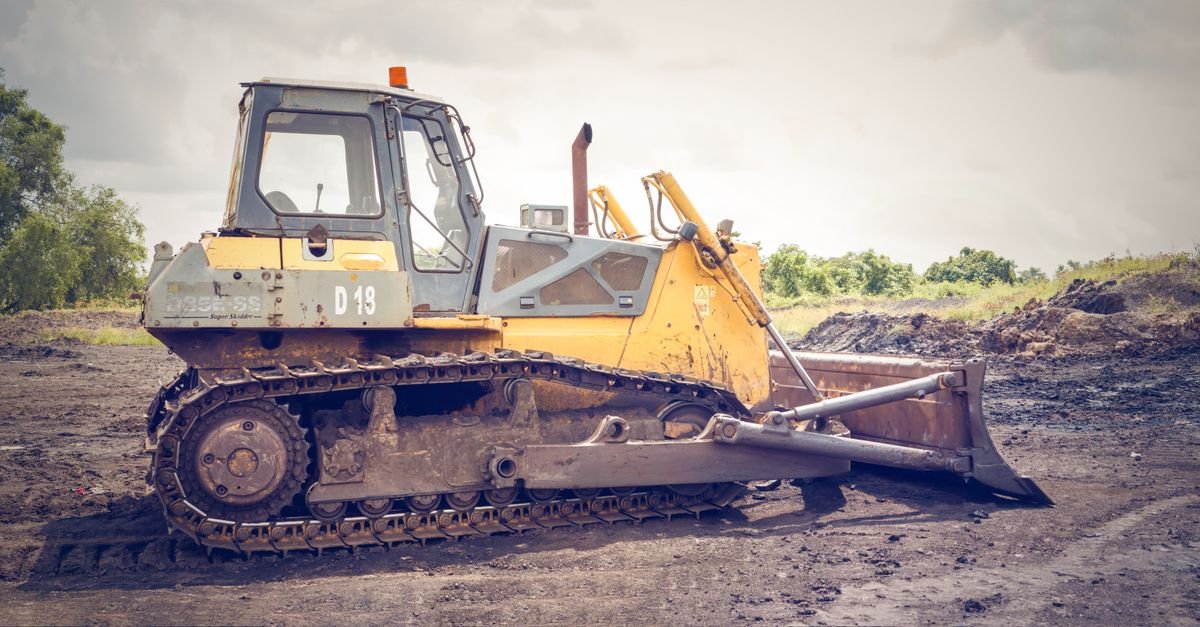
Canpump Belt Drive High Flow, 1,900 PSI at 9.2 GPM, on a 389 cc Loncin G390F rated 13 hp with electric start, running the CT 3510 S triplex on a detachable external unloader, plate-mounted and fully serviceable. It names its pump by model, names its engine by model, states the drive ratio in words, and puts the pressure regulator outside the casting where a part number can replace it. In a census where three listings in 35 managed a belt-drive claim and one managed an inlet specification, that is an unusually complete disclosure.
It suits a fleet yard, an agricultural workshop, a livestock building or a facility washdown round — work where you are moving material off a large object rather than breaking a bond, a distinction the guide to pressure washing a truck already makes properly. At 9.2 gallons a minute it will also feed a 30-inch surface cleaner, which no 4 GPM machine will.
Three limitations, and the second one is the most important thing on this page. First, 1,900 psi is below what this site publishes for stained flatwork — 2,500 to 3,200 psi for a plain concrete driveway — so it will cover ground faster than anything here and it will not lift a mark that needs pressure. Buy it for rinsing, not for stripping.
Second, and I would ask the seller about this before spending anything: Canpump’s own figures do not reconcile. Its pump page gives the CT 3510 S a maximum speed of 1,450 rpm; the page for this machine gives a pump speed of “1,750 rpm final drive”. Flow on a positive displacement pump tracks shaft speed — General Pump’s brochure demonstrates it by listing one part number at 1,450 and 1,750 rpm with two different flows — so the same pump cannot produce 9.2 gpm at both speeds, and one of those three published numbers is wrong. Either the machine turns the pump 300 rpm faster than its own data sheet allows, or the final-drive figure is a typographical error. The maker can answer that in one email and I cannot.
Third, it ships by freight, the 12V battery for the electric start is not included, and the pump inlet is a three-quarter-inch female thread. A hose-sized port on a tank-sized appetite is exactly the mismatch the water tank guide warns about, so plan the suction line before the machine arrives.
The machine that refuses to trade
Canpump SG3500B, 3,500 PSI at 9.2 GPM, on a 764 cc Loncin V-twin rated 24 hp, the same CT 3510 S pump belted down to 1,450 rpm, with 22 mm plungers, a forged brass manifold, an anodised crankcase with cooling fins and a 1,050 ml oil bath. This is the best-documented listing in the whole census and the only complete machine in it that publishes a water inlet pressure range and a maximum inlet temperature. If your work genuinely needs both the volume and enough pressure to lift something, this is the machine, and it will run a wide surface cleaner on concrete at the pressure concrete actually wants.
Its limitations are the honest cost of refusing to choose. It asks for roughly double the engine of the machine above for exactly the same flow, which is the argument of this page running in the other direction. The pump’s own data sheet calls for 24.8 hp and the machine fits a 24 hp engine, so the component maker is asking for a shade more engine than the complete machine supplies — not a fault, and not margin either, and I would want to hear how it behaves on a hot afternoon at full pressure. And at this size you are siting a skid, not wheeling a machine: freight delivery, a 12V battery to source, and a plate mount that assumes you have a truck bed, a trailer or a wash bay to bolt it to.
The pump, if you are building rather than buying
Canpump CTX 2215 S, 2,200 PSI at 15 US GPM, a bare 24 mm solid-shaft triplex with 28 mm plungers, a 1,450 rpm maximum, a one-inch inlet port, a published inlet range of 0 to 50 psi and a stated requirement for a 24.8 hp belt-drive petrol engine or a 24 mm hollow-shaft electric motor, with mounting rails and a parts list included. This is the flow-over-pressure position taken as far as the catalogue will take it, and the one-inch inlet is the tell that somebody designed it to be fed properly.
The limitation is that it is a component. No engine, no frame, no gun, no hose and no unloader in the box, and fitting it means pulleys, a belt, a guard and an engine most people do not have lying about. It belongs in a wash bay or a trailer rig where somebody is already building the plumbing. If that is not you, the machines above are the purchase.
The census does hold one belt-drive machine at ordinary flow — a 4,400 PSI, 4.0 GPM unit on a roll cage with an external unloader and a bypass hose. The case for it is session length rather than volume, so it gives you the drive without the flow that is the reason this page exists.
Three Listings I Read and Left Unlinked
Three listings in this census answered the question for me in their own words, and the answer was no.
The highest-flow pump in the census, with no description at all. A triplex rated 8.5 GPM at 3,600 PSI, 1,750 rpm, 24 mm solid shaft — and the listing carries zero feature bullets. Not a thin set. None. It matters more here than it would on a direct-drive pump, because the maker’s own brochure lists this part number with two speeds, two flows and two engine requirements, so one row cannot tell you which of the two you are buying or what will turn it. The information sits in a brochure PDF on the manufacturer’s website. The listing simply does not carry it. No link.
A 5.0 GPM machine whose title and first bullet disagree about whether it contains a burner. The title says “Cold Water Gas Pressure Washer”. The first bullet calls it a “High-output hot water pressure washer”. The second describes a “Hot Water System up to 194°F” with a “Diesel Burner (204,720 BTU)” and a 6.6 gallon fuel tank. That is not a rounding error on a specification; it is a flue, a fuel system and a thermostat appearing and disappearing between two adjacent lines. The same bullet list also gives the machine a “17 in. hose diameter”, which would be quite a hose. I could not establish from the page which machine would arrive. No link.
The two guns named for this entire category. Both are rated 350 psi at 16 GPM, both describe themselves as high volume and low pressure, and neither can be fitted to any machine on this page — the gentlest one here makes more than five times the pressure the gun is rated for. One of them does publish its wetted materials, which is rare and useful, and anyone planning to run chemical rather than water through a gun should read that line against the liquid before buying. They are correct products for a low-pressure soft wash pump and wrong for everything in this census. Reviewed, not linked.
FAQ
What is the best belt drive pressure washer?
For volume work, the best belt drive pressure washer available on an open marketplace is a 1,900 PSI, 9.2 GPM unit on a 13 hp engine, because it is the only complete machine that buys flow instead of pressure and it names both its pump and its engine. If your work needs pressure as well as volume, the same maker’s 3,500 PSI version of the same pump on a 24 hp V-twin is the machine. Neither is a sensible purchase without a tank.
Is a belt drive pressure washer worth it for a homeowner?
Almost never. A belt earns its place on sessions measured in hours and on machines fed from a tank, and a house generates neither. If you clean a driveway and some siding a couple of times a year, a belt adds weight, length, a guard and a consumable to a machine that was never going to wear its pump out. Match the flow to your largest job, keep the pump wet, and put the attention into nozzles instead.
Can you run a 9 GPM pressure washer off a garden tap?
No. Household outdoor taps deliver somewhere in the region of 4 to 10 GPM at the spigot before any hose is attached, and hose length and bore cut that hard — so a machine asking for 9.2 gallons a minute every second you hold the trigger will run starved. Starving a plunger pump is how you destroy it. These machines assume a buffer tank, which is a separate piece of kit with its own sizing and plumbing.
Does low PSI mean a pressure washer is weak?
Not on a high-flow machine. Pressure breaks the bond between dirt and surface; flow carries the material away. A 1,900 PSI machine at 9.2 GPM will clear mud off machinery far faster than a 4,000 PSI machine at 4.0 GPM, because the job is mass rather than adhesion. Where low pressure genuinely costs you is bonded staining on concrete, which wants 2,500 PSI and upward regardless of how much water you have.
Why does a high-pressure version of the same pump need so much more engine?
Because the engine is what the pressure is for. One maker publishes the same triplex pump at 1,900 psi on a 13 hp engine and at 3,500 psi on a 24 hp engine, with the flow identical at 9.2 gpm in both. Another publishes bolt-on pumps with the required engine printed on the listing: 13 hp for 3.5 GPM at 4,000 PSI, 23 hp for 5.0 GPM at 5,000 PSI. Once the pump exists, extra gallons cost almost no horsepower. Extra pressure costs a lot.
What size surface cleaner will 9.2 GPM run?
A 28 to 30 inch head, which is the widest anybody sells for this class of machine and half again the width a 4 GPM machine can comfortably keep spinning. One listing in the census advertises exactly that — “30-inch+ industrial surface cleaners” — and for flatwork that is where the flow pays for itself. Check the head’s own pressure rating before you pair it, because the wide industrial heads publish ceilings as well as floors.
Price the Tank With the Machine
The two machines on this page are the only two on the shelf built around the advice this site keeps giving, and the reason they get scrolled past is a single number on the front of the box that reads like a confession. Nine gallons a minute at 1,900 psi is not a weak machine. It is a machine whose maker decided to spend its horsepower on water instead of on a figure.
What it is, though, is half a purchase. The flow that makes it worth owning is the flow that rules out every tap it could be plumbed to, so the tank, the bulkhead fitting and the one-inch suction hose are not accessories to add later — they are the other half of the machine. Measure your tap into a bucket first. If four gallons a minute come back, you have learned more about this purchase than any specification on the listing will tell you.