Last Updated on September 24, 2026 by Umar Farooq
Roof soft cleaning means applying a cleaning solution to the roof at roughly 40 to 100 PSI — garden-hose pressure — letting it sit for fifteen to twenty minutes so it kills the algae, moss and lichen in place, then rinsing gently. The water never does the cleaning. It only carries the chemistry up and the residue down.
That sentence contains the whole method, and it is also the part people refuse to believe. Soft washing sounds like a pressure washer turned down, the way low heat is an oven turned down. It is not. It is a different tool doing a different job, and the reason it exists is that a roof is the one surface on a house where force does not clean anything — it just removes the roof slightly faster than it removes the stain.
Roof Soft Cleaning, Defined Without the Marketing
The term was coined by the trade, which means it now appears on a few thousand service pages that never get round to saying what the number is. So here it is. A soft wash system puts solution on the roof at somewhere between 40 and 100 PSI at the tip — about what comes out of a garden hose on a decent municipal supply. Some operators rinse a little higher, in the 150 to 400 PSI range, which is still a fraction of the 1,300 PSI a modest electric pressure washer produces at its gentlest.
The pressure figure is the headline, but it is not really the definition. The definition is the split of labour. In pressure washing, the water does the removal and detergent helps. In roof soft cleaning, the solution does one hundred percent of the removal and the water does nothing except deliver it and dilute it afterwards. Once you accept that, every other rule here follows from it, including the odd one: for a large part of this job, the correct technique is to stand there doing nothing for fifteen minutes.
A Shingle Is a Granule Coat Glued to Asphalt
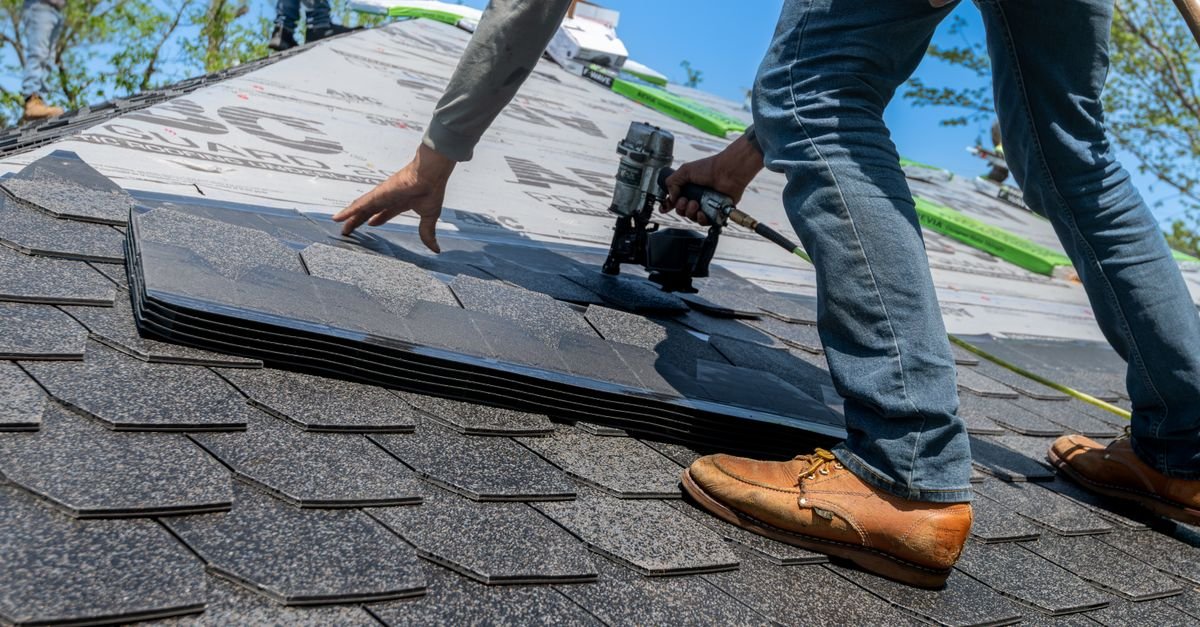
An asphalt shingle is a mat soaked in asphalt with a layer of ceramic-coated mineral granules pressed into the top while it is still hot. Those granules are the wear surface. They take the UV, they take the hail, they carry the fire rating, and they are the only thing standing between sunlight and a sheet of tar. There is no way to put them back.
The Asphalt Roofing Manufacturers Association does not hedge about this. Its guidance on algae discoloration of roofs states plainly: “DO NOT use a power washer or any type of brush or broom to clean algae from the roof surface,” and adds that “high-pressure washing systems are likely to damage asphalt roofing and should not be used.” I read that three times, because industry bodies almost never write DO NOT in capital letters. They had.
Notice what else is on that list. Brushes. Brooms. A broom is not a pressure problem — a broom is an abrasion problem. Which tells you the real threshold is not a PSI figure at all. Anything that physically scrubs the granule bed is out, whether it arrives at 3,000 PSI or on the end of a stick. ARMA’s companion bulletin on algae and moss prevention and cleaning points the same direction.
So here is the position, with no second side offered. Do not pressure wash asphalt shingles. Not on a low setting, not with a 40-degree tip, not carefully, and not because a contractor says he has done it this way for twenty years. Roofs get soft washed. If someone offers to pressure wash yours, that is the end of the conversation, and you have saved yourself the rest of the survey.
Kill It, Do Not Remove It
Here is the mental switch that makes the method make sense. Black streaks are *Gloeocapsa magma*, a blue-green alga living in and around the granule bed. Moss is a plant with a grip. Lichen is a fungus and an alga sharing a lease. All three are alive, and all three are partly inside the surface rather than sitting on top of it.
Force removes the visible layer. It does not remove the organism, because the organism is down in the gaps between granules — which is also exactly where granules get loosened from. That is why a pressure-washed roof greens up again within a season or two. The stain was harvested, not killed. A soft wash solution kills the colony outright, and what is left behind is dead material that weather takes away over the following weeks.
That timeline is the most common source of disappointment on this entire topic. A soft-washed roof does not finish on the day. It lightens noticeably within an hour, then keeps clearing over roughly two to six weeks of ordinary rain as the dead growth breaks down and sheds. People who judge the result the same afternoon go back up for a second, harsher attempt they never needed. Put the ladder away and look again next month.
The Three Ways People Get Solution Onto a Roof
The chemistry is the same in all three cases. What changes is reach, evenness, and how much of your Saturday it takes.
| Delivery method | Pressure at the tip | Practical reach | Suits |
| Hand pump sprayer, 2-5 gallon | Under 60 PSI | A few feet past the ladder | Single storey, shallow pitch, small roof |
| 12-volt soft wash system | 60-100 PSI | Most of a two-storey roof from the ground | Contractors, and committed DIY |
| Downstream injector on a pressure washer | Low; soap nozzle only | About the same as the machine’s reach | People who already own the machine |
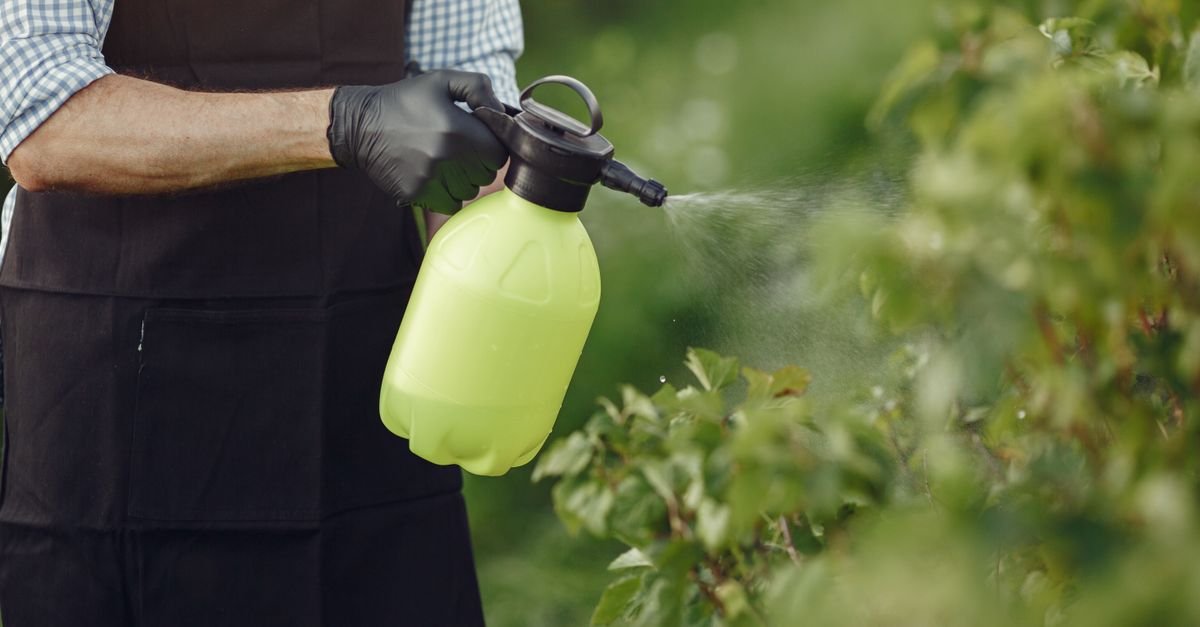
The hand sprayer is the honest starting point and costs about as much as lunch. Its limit is reach, not capability — you will be moving a ladder a great deal, and application gets patchy at the edge of your range, which shows up later as a blotchy roof.
A 12-volt system is a diaphragm pump, a tank of pre-mixed solution and a hose reel. It is what nearly every professional uses, and the advantage is not power. It is that one operator can hold a steady application rate across a whole roof from the ground, so the surface dries evenly instead of in bands.
The third option is the one that trips people up. A downstream injector only draws chemical at low pressure, which in practice means only with the black soap nozzle fitted — widest orifice, biggest pressure drop. Used that way your pressure washer is a delivery pump and nothing else. The failure comes next: solution goes on correctly through the soap tip, then the operator swaps to a green 25-degree tip to “just rinse it off,” and the roof gets pressure washed after all. If you are using your machine this way, the soap nozzle stays on for the entire job or the machine stays in the garage. Our guide to the pressure washer chemical injector explains why that pressure drop is the whole mechanism.
Fifteen Minutes Is a Ceiling, Not a Target
Roofs break this site’s usual dwell rule. Most surfaces get five to ten minutes of detergent. ARMA specifies that its roof solution be left on the surface for at least 15 minutes but no more than 20, then rinsed gently.
Both ends of that window are doing work. Under fifteen and the colony is wounded rather than dead, which buys you a roof that looks better for one season. Over twenty and you are into the real risk, which is not chemical strength — it is drying. Solution that dries on a shingle leaves residue that is much harder to rinse off and can mark the surface, and a still roof in direct sun will dry well inside twenty minutes.
Which is where the weather rules come from. Overcast, cool, no wind. Re-mist any section that starts going dry rather than pressing on and hoping. Wind is the one nobody takes seriously until they see what drifted onto the car.
Should You Rinse a Roof at All?
There is a genuine split in the trade here. One camp rinses the roof thoroughly. The other applies and walks away, arguing that rain finishes the job and that every additional pass is another chance to put water somewhere it should not go.
ARMA’s own guidance says rinse, and I think that settles the roof itself. But the more useful version of the question is *what* you rinse, and the answer is that everything below the roof needs it more than the roof does. Metal flashing, drip edge and gutter interiors do not enjoy sitting in chlorine residue. Siding, walkways and the driveway will show streaks once runoff dries on them. Plants get soaked with plain water before you start and soaked again afterwards, which is the single most effective precaution in the whole job.
Rinse from the ridge down, at hose pressure, with a plain spray nozzle. Never up-slope. Shingles are lapped to shed water downhill, and a stream aimed under the laps goes straight onto the underlayment, where it has no fast way out.
One hard safety rule while mixing: sodium hypochlorite “releases chlorine gas when it comes in contact with acids,” according to ATSDR’s medical management guidelines for chlorine. That includes the acidic rust remover or masonry cleaner sitting on the same shelf. One product at a time, and rinse the sprayer between them. Our guide to sodium hypochlorite for pressure washing covers handling and storage in more detail.
Where This Stops Being a Homeowner Job
A dry, shallow, single-storey roof is walkable for a fit person in soft-soled shoes. A roof that is wet with slippery solution is a completely different surface — and that is precisely the state it will be in for the twenty minutes you are standing on it waiting.
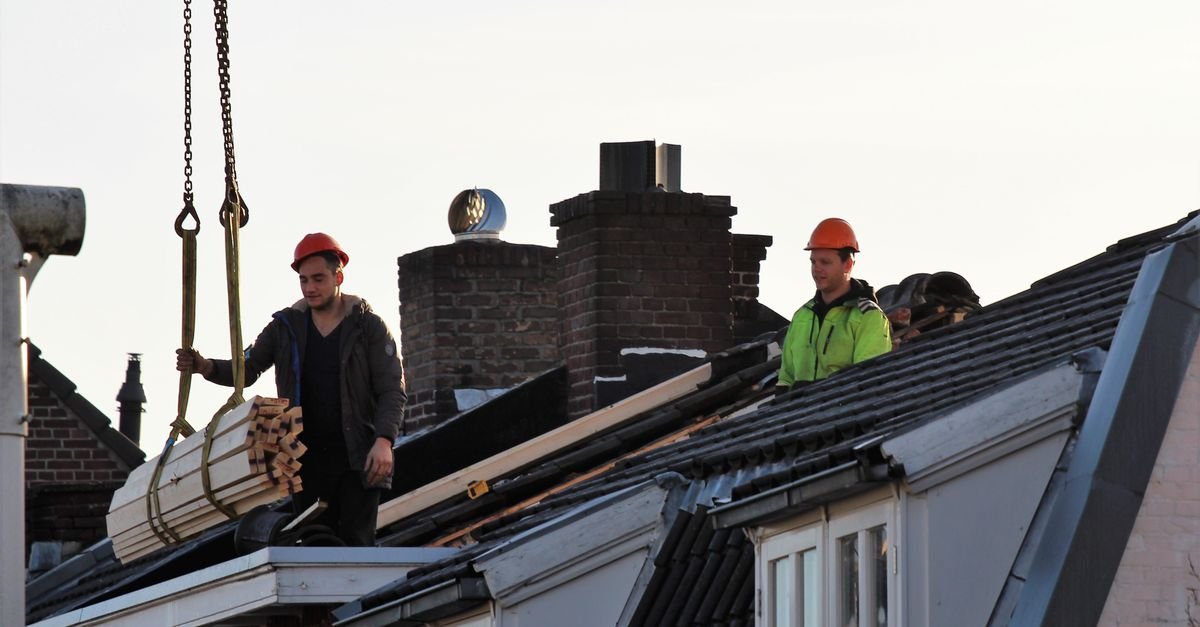
Hand it over when the house is two storeys, when the pitch is steeper than about 6:12, when the growth is thick lichen, or when the roof is past about fifteen years old — brittle shingles crack under foot traffic in cool weather and you will not find out until it rains. Hand it over too if the honest answer to “can I reach this from a ladder at the eave, or with a pole sprayer” is no. Leaning sideways for one more foot of roof is how people come off ladders.
What you are buying from a crew is reach and evenness, not strength. They treat the roof from the ground, hold a consistent application rate across it, and never walk the slope at all.
Three questions are worth asking before you book. What pressure do you apply and rinse at? Do your people walk the roof? What do you do about the landscaping? If the answer to the first is any version of “we pressure wash it on a low setting,” you already have your answer.
On price I will be straight with you. I went looking for a defensible national figure and could not find one that was not a lead-generation page quoting another lead-generation page, so I am not going to hand you a number I cannot stand behind. What actually drives a quote is square footage, pitch, storey count, how much of the roof is reachable from the ground, and whether the growth is algae or lichen. Get three quotes and compare those five things rather than the headline figure.
What Soft Washing Cannot Fix
It is a cleaning method, not a restoration, and the limits are worth knowing before you are disappointed by them.
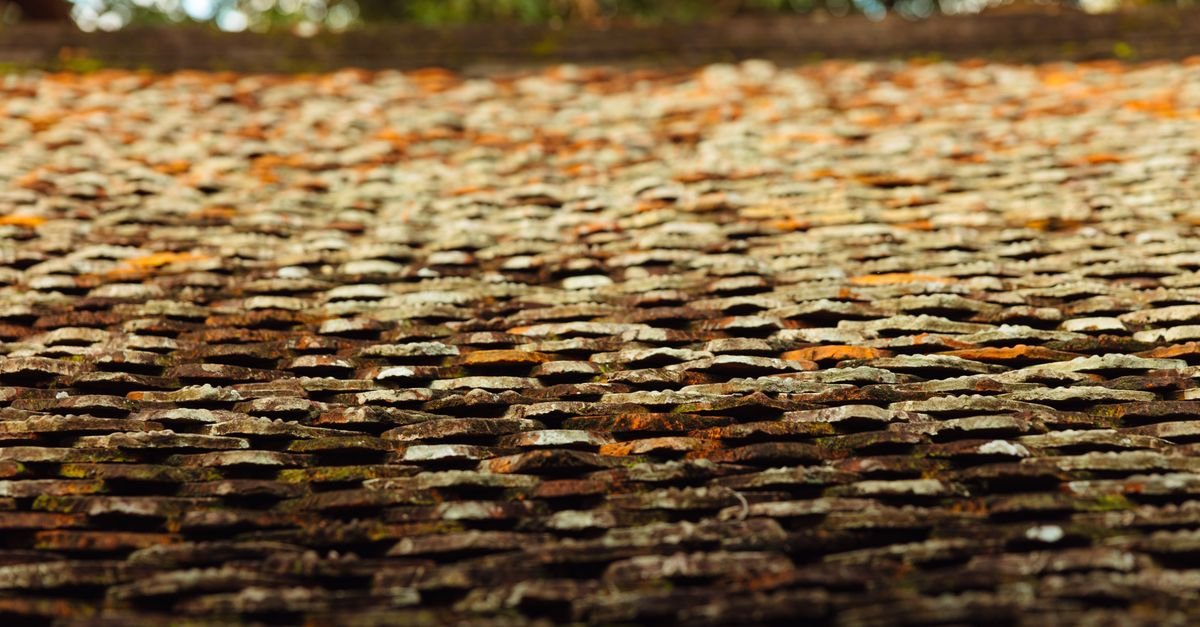
Lichen is the stubborn one. It roots into the granule bed, so killing it often leaves a faint ghost where it sat, and repeat applications may only fade that further rather than clear it completely. That mark is the price of not having torn the granules off along with it, and it is a bargain.
Granules already lost do not come back. If a previous owner had the roof pressure washed and there are dark, slightly shiny bald patches, a soft wash will clean around them and make them more obvious, not less. In the same spirit, a roof at the end of its service life comes out of a soft wash as a clean roof at the end of its service life.
And it is not permanent. Shaded, humid, heavily treed properties are on a three to five year cycle. The way to stretch that is to cut back the overhanging branches keeping the roof damp, which costs nothing and does more than a second application ever will. If you want the full DIY procedure and the alternatives to chlorine, our guide on how to clean roof shingles without pressure washing walks through the mixing and the step order.
FAQ
What PSI is used for roof soft cleaning?
Roughly 40 to 100 PSI at the tip for application, with some operators rinsing at up to 400 PSI. For comparison, an entry-level electric pressure washer starts around 1,300 PSI and cannot be turned down into soft wash range, because the pump keeps cycling at full pressure no matter how gently you squeeze the trigger.
Is soft washing the same as pressure washing on a low setting?
No, and that is the most common misunderstanding in the subject. Easing off the trigger does not convert a pressure washer into a soft wash system. The difference is which component does the cleaning: soft washing uses chemistry and lets water carry it, while pressure washing uses water and lets chemistry assist.
How long does a soft wash last on a roof?
Typically three to five years — longer on an open, sunny, well-drained roof, shorter on a shaded north-facing slope under trees. Because the solution kills the organism instead of stripping the visible stain, it lasts considerably longer than a pressure-washed result, which often regrows within a single season.
Can I soft wash my own roof?
On a single-storey house with a shallow pitch that you can reach from a ladder at the eave or with a pole sprayer, yes. A hand pump sprayer and the right solution will do it. Two storeys, a steep pitch, heavy lichen, or a roof over fifteen years old are each reasons to hire it out instead.
Will a soft wash damage gutters or flashing?
Not if you rinse. Chlorine residue left sitting on aluminium drip edge, copper flashing and gutter interiors is what causes corrosion across repeated cleanings, not the application itself. Flush the gutters and downspouts as part of the job, since dead growth collects in them anyway.
Does the solution kill plants?
Undiluted or unrinsed, it will burn foliage within minutes. Soak every plant, shrub and stretch of lawn under the roofline with plain water before you start, keep them wet through the dwell, and rinse them again afterwards. The pre-soak matters most, because saturated leaves dilute whatever lands on them.
What temperature is too cold to soft wash a roof?
Below about 5 degrees C the solution loses effectiveness and rinse water can freeze on the slope, which turns a manageable job into a genuinely dangerous one. Mild and overcast is ideal. Hot and sunny is the opposite failure, because the solution dries before the dwell is finished.
How soon will the roof actually look clean?
It will lighten within the hour, but plan on two to six weeks of normal rain for the full result. Dead algae and moss keep breaking down and washing off long after you have packed everything away, which is exactly why judging the job on the same day pushes people into over-treating it.
Chemistry Goes Up, Pressure Stays Home
Roof soft cleaning is not the gentle compromise version of roof cleaning. It is the only version the people who manufacture shingles will put their name to, and everything faster on the market is just a quicker way to shorten a roof. Solution on at hose pressure, fifteen to twenty minutes of doing nothing, a careful rinse from the ridge down, then a month of patience while the weather finishes the job for you.
If you are standing in the garden right now looking up at black streaks with a pressure washer already uncoiled beside you, coil it back up. The roof will be clean in a month either way. The difference is whether it is still a roof in ten years.