Last Updated on September 25, 2026 by Umar Farooq
When a pressure washer has no pressure at all but water is still coming out of the wand, the pump is almost never the problem. You have a machine that is moving water perfectly well and failing to put any force behind it, and that is a different fault from a weak machine. Work it in this order: nozzle, inlet screen, water supply, unloader valve. Four checks, none of which needs a tool more exotic than a pair of pliers.
A machine that runs, pumps and does absolutely nothing useful is the most irritating kind of broken, because nothing looks wrong. The motor sounds normal. Water arrives. It simply arrives with the conviction of a garden hose on a still afternoon.
Pressure Washer Has No Pressure but Plenty of Water
This is the symptom that decides which guide you should be reading, so spend thirty seconds on it before you unscrew anything.
| What the wand is doing | What it means | Where to go |
| Normal water volume, no force behind it | Pressure is not being generated | Stay here |
| Reduced volume and reduced force | The machine is being starved | Pressure washer low pressure |
| Nothing at all, or a few drips | Supply blocked or pump air-locked | No water coming out |
If your machine is merely weak rather than dead — it cleans, just slowly, and the fan looks soft — the low-pressure guide is the one you want. Weak pressure is usually a flow problem. No pressure, with flow intact, is a pressure-generation problem, and the causes barely overlap.
Here is the test that separates them. Switch the machine off, leave the tap fully open, pull the nozzle off the wand and squeeze the trigger. You should get a fat, steady, unglamorous stream — that is your supply talking. Now start the machine with the nozzle still off and hold the trigger again. The stream should get noticeably angrier. If it does not change at all, the pump is not building anything, and you are in exactly the right place.
Your Pump Makes Flow — the Nozzle Makes Pressure
I went looking for what pump manufacturers actually say about this, expecting a paragraph, and CAT Pumps says it in one line that reframes the whole fault: “A pump generates flow, not pressure. The orifice size of the nozzle determines the resistance to flow and therefore the pressure created.”
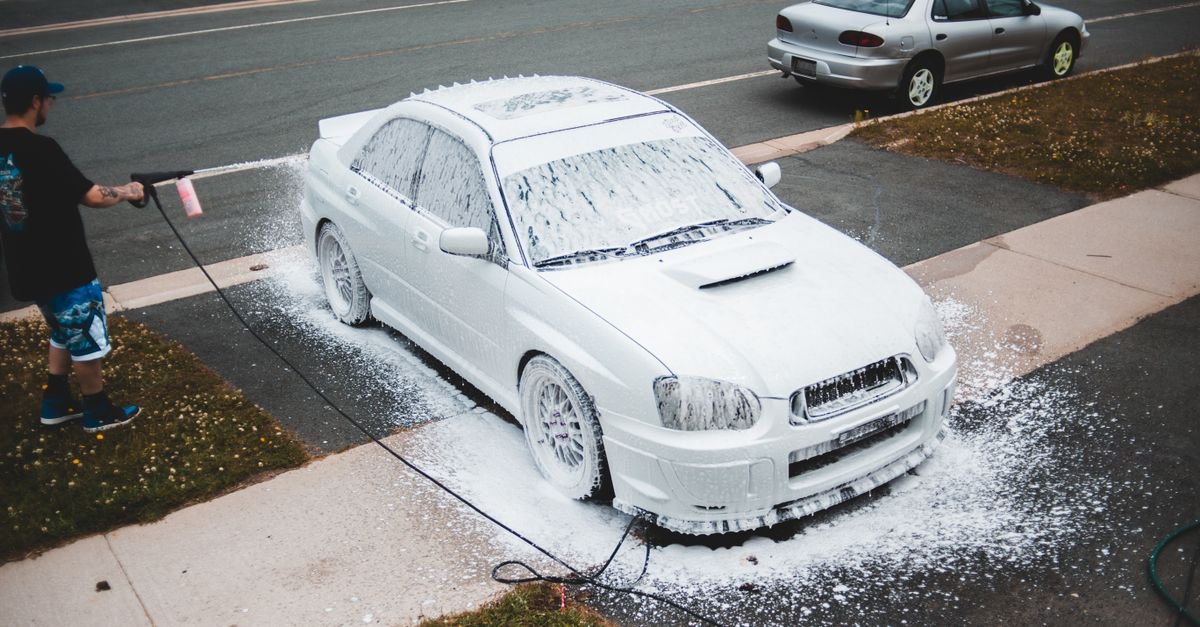
Read that twice. Your pump does not make PSI — it makes gallons per minute. The pressure exists only because the tip is too small a hole for that flow to get through comfortably. Take the tip off and a 3,000 PSI machine makes roughly nothing. Fit a hole that is too big and it makes roughly nothing as well.
Which is why the black nozzle is the most common answer to this entire question. The black soap tip is around 65 degrees with the widest orifice in the set, and it drops system pressure deliberately — that pressure drop is the only reason a downstream detergent injector can draw at all. It is the one nozzle in the box that is supposed to disappoint you.
| Tip | Angle | What it does to pressure |
| Red | 0° | Full pressure, pencil-width. Leave it in the bag. |
| Yellow | 15° | Full pressure, useful width |
| Green | 25° | Full pressure, general purpose |
| White | 40° | Full pressure, gentle coverage |
| Black | ~65° | Deliberately drops pressure for soap |
Three more nozzle-side causes, all quick. An adjustable dual-lance wand left in the pulled-back low-pressure position does exactly what the black tip does. A quick-connect collar that has not clicked fully home leaks internally and never seats the tip. And a nozzle worn wide by grit grows its own orifice over a season — flow rises, pressure falls, and the fan turns misty instead of sharp. The full colour and orifice breakdown lives in our pressure washer nozzle chart.
Pull the Inlet Screen and Hold It Up to the Light
Where the garden hose screws into the machine there is a small mesh filter, usually plastic-framed, often overlooked for the entire life of the machine. Hook it out with needle-nose pliers and hold it up against the sky. You should see light through most of it. If you see a grey felt of scale, rust flakes and sand, you have found a restriction the pump has been fighting.
Rinse it, brush it with an old toothbrush, and look hard for a tear. A torn screen is worse than a blocked one, because it passes grit straight into the pump where it scores the valve seats. Replace a damaged screen rather than refitting it — they cost less than a coffee.
Is the Tap Giving the Pump What It Asks For?
A pump that cannot fill its chambers cannot compress anything, so a starved inlet reads as no pressure rather than as low flow. Simpson specifies a minimum of 5 GPM at 20 PSI at the tap for its machines, and the general rule holds across brands: your supply must comfortably exceed the machine’s rated GPM, not merely match it.
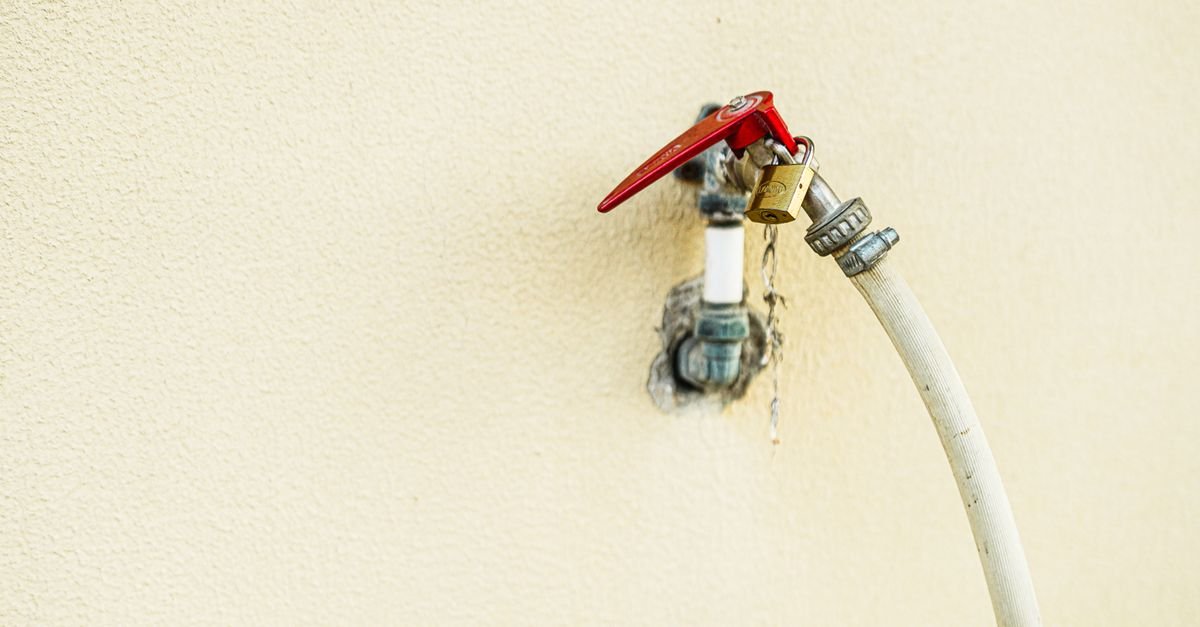
Open the spigot all the way rather than most of the way. Then walk the chain between tap and machine, because every link can throttle it on its own: a Y-splitter with one side half shut, a quick-connect with a stuck internal check valve, an inline sediment filter nobody has changed, or a hose-end shut-off left nearly closed.
The Unloader That Never Comes Out of Bypass
The unloader valve is a small brass assembly on the pump head, and it has one job: when you let go of the trigger, it sends water in a circle back to the pump inlet instead of letting pressure build against a closed gun. CAT Pumps describes it as a horizontal internal piston that shifts on downstream pressure to route flow either to the wand or out through the bypass port.
When that piston sticks — scale, grit, a tired spring, an O-ring that has gone square — the valve stops coming back. Water circulates forever, the wand gets whatever is left over, and you have full flow with no pressure. The giveaway is heat. Recirculating water has nowhere to dump energy, so the pump head gets hot within a couple of minutes even though you are barely cleaning anything.
The fix is to strip it, clean the piston and seat, fit fresh O-rings and reassemble. (What it is not is the adjusting screw on top. That screw sets the trip pressure, and winding it up to chase a symptom can push the system past what your hose and gun are rated for, which is a considerably more exciting failure than the one you started with.)
Air in the Pump Is Quietly Eating It
Air is compressible. Water is not. A pump with air in it squeezes the air instead of the water, which produces flow and no pressure, usually with a pulse or a surge you can feel through the gun.
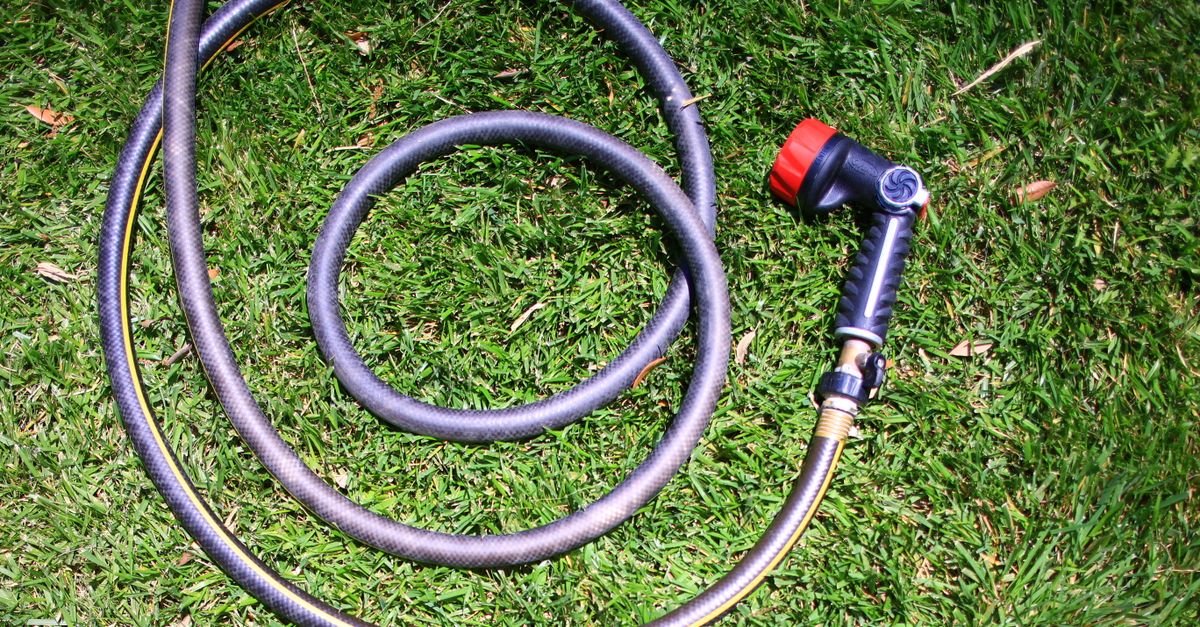
Air arrives two ways. It gets trapped on start-up, which is normal on a new machine and clears if you run the machine with the nozzle off until the stream stops spitting. Or it gets sucked in continuously through a starved or leaking inlet — a hose kinked behind the wheel, an old hose whose liner has collapsed inward, a loose fitting, a cracked washer. That second kind does not clear, and it does damage while it fails to clear.
AR North America is blunt about what that costs: cavitation is “the formation and collapse of gaseous cavities in a liquid which causes severe wear or eroding of the metal wear surfaces in the pump”, and the tell is a hammering noise with vibration through the machine. Those collapsing bubbles land on the same few square millimetres of valve seat thousands of times a second. A kinked inlet hose can quietly ruin a pump that was healthy last weekend, and it will do it while you stand there wondering why the spray looks wrong.
When the Valves Inside Are Simply Done
If all four checks above pass, the inlet and outlet valves inside the pump are what is left. Debris on a valve seat lets water flow freely in and out of the chamber instead of being discharged, which is precisely the full-flow-no-pressure signature.
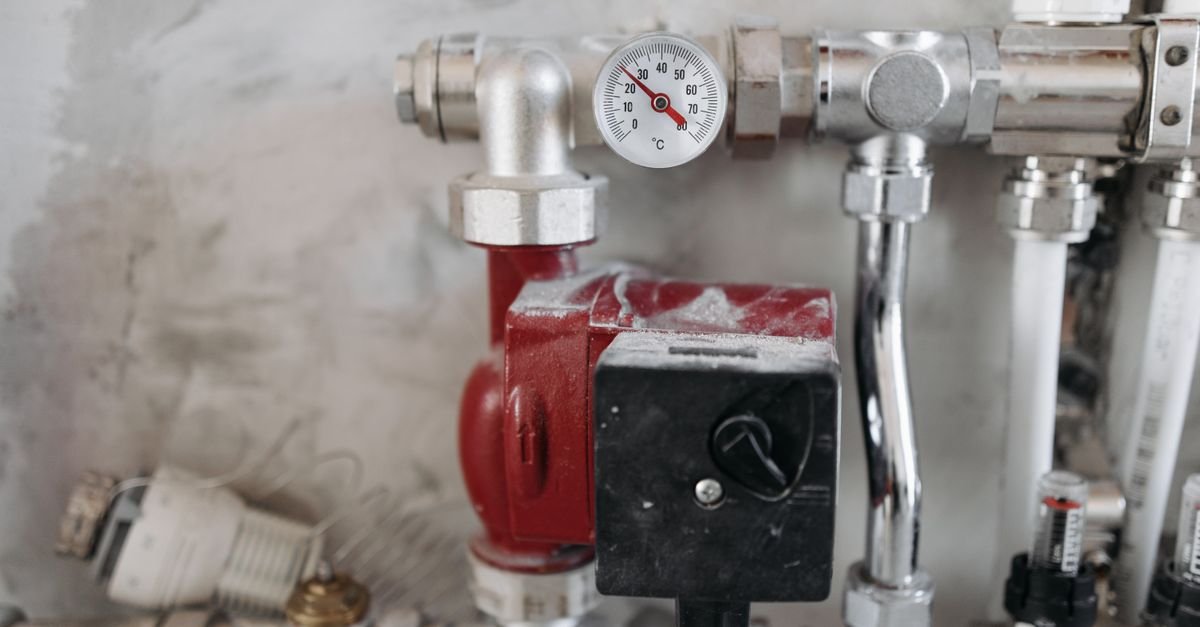
What you do next depends on which pump you own. Axial wobble-plate pumps, fitted to most consumer machines, are sealed units that were never designed to be opened — when they go, the machine generally goes. Triplex pumps have serviceable valves and seals and will outlast several engines. That distinction, not the PSI number on the box, is what separates a machine that lasts two seasons from one that lasts ten.
Check the oil before you condemn anything. Milky or grey pump oil means water has passed the seals. And if this appeared in spring after the machine wintered in an unheated garage, the honest answer is usually a cracked pump head, because water left inside expands when it freezes. Winterising the machine takes about thirty seconds and prevents the one failure that reliably costs more than the machine is worth.
FAQ
Why does my pressure washer have no pressure with a brand new nozzle fitted?
Check which new nozzle. A black soap tip or a 65-degree wide tip produces almost no pressure by design. If it is a high-pressure tip, check the orifice number stamped on it against your old one — a tip sized for a much higher GPM machine passes your flow through without resisting it, and resistance is what makes the pressure.
The pump is hot but the spray is weak. What does that mean?
Heat with poor spray points at the unloader valve stuck in bypass. Water that keeps circling back to the inlet has nowhere to shed energy, so the pump head warms quickly even under light use. Stop before the seals cook, then clean or rebuild the valve.
Can a garden hose cause a total loss of pressure rather than just weak pressure?
Yes, if the liner has collapsed. An old hose can look fine from the outside while the inner wall has delaminated and folded shut under suction. It restricts inlet flow enough to starve the pump, and a starved pump makes flow without pressure. Swap in a known-good hose before blaming anything expensive.
How do I know whether it is the unloader or the pump valves?
Heat and noise. A stuck unloader runs hot and quiet. Failed pump valves usually knock or hammer under load and are often accompanied by milky oil. If the machine is an axial-pump consumer unit, the unloader is worth servicing and the pump generally is not.
Suspect the Pump Last, Not First
Every expensive answer sits at the bottom of this list, and most people start there because a pump is the part that sounds like it ought to be broken. It usually is not. The nozzle, the inlet screen, the tap and the unloader account for the overwhelming majority of machines that run beautifully and clean nothing, and all four cost you nothing to check.
So go and look at the tip first. If it is the black one, you have not broken anything — you have asked the machine for soap and it said yes.