Last Updated on September 24, 2026 by Umar Farooq
Cleaning rust stains off concrete is a chemistry problem, not a pressure problem. Rust is iron oxide that has dissolved into the slab and re-formed inside the pores, so there is nothing sitting on the surface for water to push off. It takes an acid that can grab hold of iron and carry it away in solution. Oxalic acid does that. Muriatic acid does something else entirely, and most people reach for it anyway.
I have watched a lot of people try to solve this with the wand. It is an understandable instinct — the stain looks like dirt, and 3,000 PSI moves dirt. But a rust stain will sit there, perfectly orange, while the concrete around it gets progressively cleaner and slightly thinner. Eventually the stain stands out more than when you started, because everything else went pale and it did not.
So before anything else: put the wand down. You will need it at the end, at about half the pressure you were planning, and that is all.
Rust Is a Chemical Stain, Not a Dirt Layer
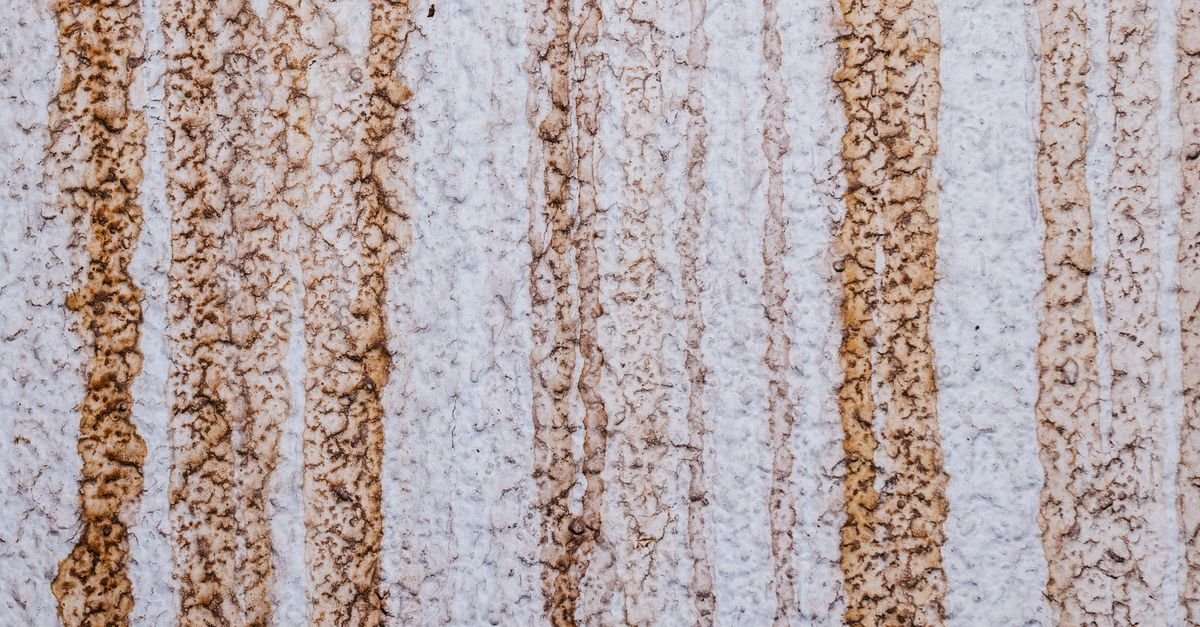
Here is what is actually happening under that orange patch. A piece of iron or steel corrodes. Water — rain, sprinkler, dew, a hosing down — carries dissolved iron into the capillary pores of the concrete. Concrete is not a solid; it is a sponge with delusions of grandeur. The iron travels in, the water evaporates or reacts, and the iron oxidises into hydrated iron(III) oxide *inside* the pore, several millimetres below the surface you can touch.
That distinction decides everything that follows.
A dirt layer sits on top. Pressure removes it because pressure can get underneath it and lift it. Algae, grime, tyre dust, pollen — all surface or near-surface, all responsive to water and detergent.
A rust stain is chemically bound inside the matrix. There is no “underneath” for the water to reach. To remove it you either dissolve the iron, or remove the concrete that contains it.
Pressure can only do the second one. Concrete flatwork tolerates roughly 2,500–3,000 PSI, and a rust stain that has been there two summers is usually deeper than that will reach before the surface starts to open up. You end up with etching — a rougher, paler, more absorbent patch — and the ghost of the stain still visible in it. There is a full breakdown of the pressure limits in our guide to how much PSI to clean a concrete driveway, but the short version for rust is that the number you want is low, and it comes last.
One practical note before you start: judge the stain dry. Wet concrete is uniformly dark and hides about half of what is left. Every assessment in this article assumes a fully dry slab, and about a third of the “it did not work” verdicts I read online were delivered on a wet one.
Why Bleach and Degreasers Do Nothing to Rust
This is the part worth understanding properly, because it saves you buying two products that were never going to help.
Degreasers are alkaline. They work by saponification — converting fats and oils into water-soluble soaps. That is genuinely clever chemistry and it is why a degreaser is the right answer for a motor oil patch, as covered in will pressure washing remove oil stains from concrete. Rust is not a fat. There is nothing in iron oxide for an alkaline cleaner to saponify. You can leave a degreaser on a rust stain all afternoon and produce a very clean rust stain.
Bleach is an oxidiser, and rust is already oxidised. Sodium hypochlorite works by tearing electrons off things — pigments, cell walls, the chromophores in algae and mildew. Iron in rust is already at its fully oxidised state, Fe(III). Oxidising it further is not an available move. Hypochlorite has no mechanism to reduce it and no mechanism to chelate it, so it does not shift the stain by any route.
You will read in a lot of places that bleach makes a rust stain permanent. I went looking for a primary source on that and could not find one — the claim circulates between cleaning blogs, each quoting the last. What I can tell you with confidence is the part that is mechanistically obvious: bleach lightens everything *around* the rust, so the stain reads darker afterwards even though nothing about it changed. That is enough of a reason not to use it.
The safety point, and this one is not optional. ATSDR states plainly that sodium hypochlorite “releases chlorine gas when it comes in contact with acids” (ATSDR, Medical Management Guidelines for Chlorine). If you have just house-washed, soft-washed, or thrown bleach at the slab to see what happened, that hypochlorite is still in the pores and in the puddles. Rinse the whole area thoroughly and let it dry before any acid touches it. Never mix the two in a bucket, a tank, or a downstream injector — see sodium hypochlorite for pressure washing for how long it hangs around. Chlorine gas outdoors is still chlorine gas, and you will be crouched over it.
Lemon Juice, Vinegar and the Limits of the Kitchen Cupboard
Every article on this topic opens with lemon juice, so let us be honest about what it does.
Lemon juice is roughly 5–6% citric acid. White vinegar is roughly 5% acetic acid. Both are weak acids. The useful difference nobody mentions is that citric acid is a genuine iron chelator and acetic acid is a poor one — citrate wraps around a dissolved iron ion and holds it in solution, which is the actual mechanism of rust removal. Acetic acid mostly just lowers the pH and hopes for the best. So lemon juice beats vinegar on rust, and it is not close.
| Option | Active acid | Chelates iron | Realistic job |
| White vinegar | ~5% acetic | Poorly | Light surface bloom, a few days old |
| Lemon juice | ~5–6% citric | Yes, weakly | Small fresh stains, furniture feet, tool marks |
| Citric acid powder | 5–10% mixed | Yes | Fresh to moderate stains, plant-safe areas |
| Oxalic acid product | Varies by label | Strongly | Most established rust and fertiliser staining |
| Muriatic (hydrochloric) | 10–31% | No | Mortar smear on new masonry. Not this job. |
The test that saves you an afternoon: pick the worst square foot, apply undiluted lemon juice or a citric acid solution, keep it wet for fifteen minutes, scrub with a stiff nylon brush, rinse, and let it dry completely. If the patch has lightened noticeably, repeat and you may be finished. If it looks identical, the stain is older and deeper than the cupboard can handle, and no amount of repeating will change that. Step up to oxalic acid rather than buying a bigger bottle of vinegar.
Oxalic Acid Is Usually the Whole Answer
Oxalic acid is sold as rust remover, deck brightener and wood bleach, and it is the same compound in all three tins. It is the standard answer for rust on concrete for one specific reason: it forms ferric oxalate, a water-soluble iron complex. The iron stops being a pigment locked in the pore and becomes something dissolved in the liquid on your slab, which then rinses away.
Note the mechanism carefully, because it is the whole argument of this article: oxalic acid removes the iron and leaves the concrete. It has a mild etching effect at high concentration, but its job is chelation, not demolition. Mix to the label — these products vary enormously in strength and the label is the only number that applies to the tin in your hand.
Working method:
- Wet the slab first. Dry concrete drinks the solution straight down into the pores instead of working on the face where the stain is. Pre-wetting keeps the acid where the iron is.
- Keep it wet for the whole dwell. Ten to fifteen minutes, misted again if it starts to go dull at the edges. Acid that dries has stopped working and left a residue to deal with.
- Agitate with a stiff nylon brush. Never a wire brush. Steel bristles shed into the pores and you will be looking at a fresh constellation of small rust spots in about a month, which is a genuinely demoralising way to finish a job.
- Two mild rounds beat one strong one. A second full application with proper dwell does more than doubling the concentration, and it does not risk lightening the concrete unevenly.
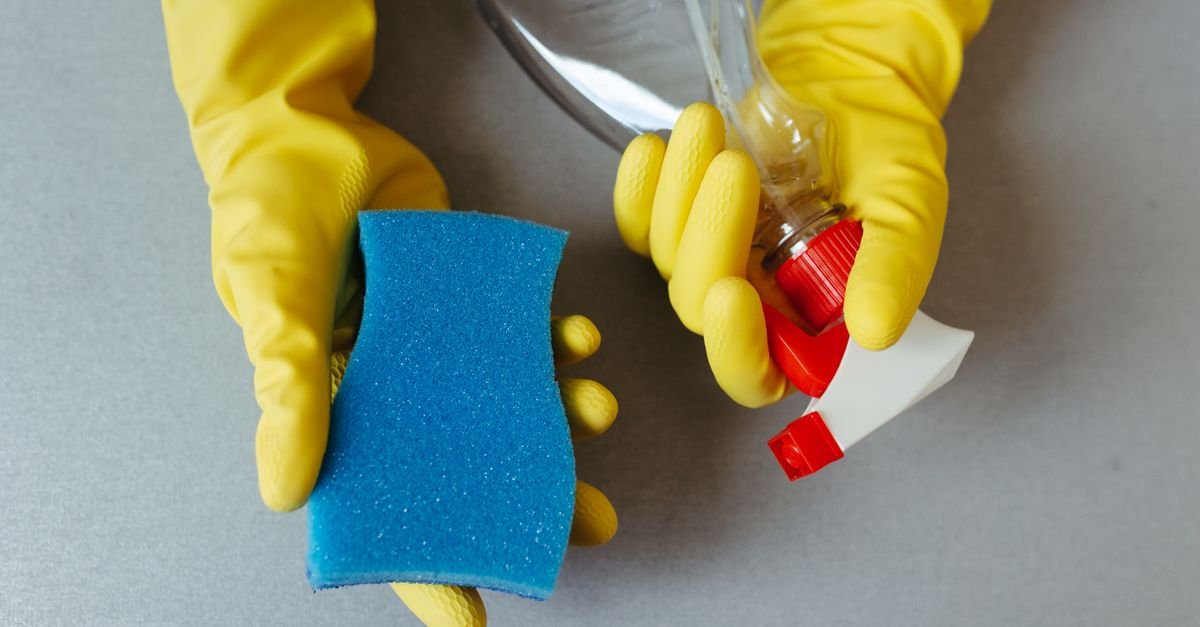
Safety is straightforward but real. Oxalic acid is toxic if swallowed — it is the compound that makes rhubarb leaves inedible — and it will irritate skin and eyes. Gloves, eye protection, and pre-wet any plants and grass at the runoff edge so the solution arrives diluted rather than neat.
And here is the position I will defend: most rust stains that people describe as permanent were treated once, at half the recommended dwell, with the wrong chemical family, and then judged while the slab was still wet. Four errors, all of them free to fix. Before anyone tells you a stain cannot come out, ask how many full oxalic cycles it has actually had. The usual honest answer is one, and the usual honest answer to “how long did you leave it on” is “a couple of minutes, it seemed fine.”
Muriatic Acid Etches the Slab You Are Trying to Save
Muriatic acid — hydrochloric acid, typically sold at 10–31% — is the thing people reach for when the mild approach has not worked, on the theory that stronger is better. On a rust stain, stronger is a different outcome, not a better one.
Hydrochloric acid does not chelate iron. It dissolves it, which sounds like the same thing until you notice what else it dissolves: the calcium compounds in the cement paste holding your slab together. It removes the stain by removing the concrete containing the stain. That works, in the sense that a belt sander works on a coffee ring.
What you are left with is a patch that is lighter, rougher and more porous than the concrete around it. Three consequences, in order of how much they will annoy you:
1. The texture change is permanent. Etched cement paste does not grow back. The patch will catch light differently forever.
2. It restains faster. You have just opened up the pore structure in exactly the spot that already has an iron source nearby. The next stain arrives sooner and goes deeper.
3. Aggregate exposure. Go slightly too far and the sand and stone come through, which reads as a repair rather than a cleaned slab.
The handling risk is not trivial either. ATSDR describes hydrogen chloride as “a colorless, corrosive, nonflammable gas that fumes in air,” notes that contact with the solution “can cause severe chemical burns,” and that the gas is “intensely irritating to the mucous membranes of the nose, throat, and respiratory tract” (ATSDR, Medical Management Guidelines for Hydrogen Chloride). If you do use it for something, always add acid to water and never water to acid — the reaction is exothermic and the wrong order makes it spit.
Muriatic acid has a legitimate job. It is for mortar smear and efflorescence on new masonry, heavily diluted, usually by someone who does it weekly. It is not for a rust stain on a driveway, and a driveway is where almost everyone uses it.
Cleaning Rust Stains Off Concrete: The Sequence That Works
Everything above, in the order it actually happens:
1. Find and remove the iron source. Cleaning first and investigating later means doing the job twice. The next section covers where to look.
2. Degrease if there is anything greasy on top. Acid cannot reach iron through a film of oil or a season of road grime. A quick alkaline wash and rinse first, fully dried, gives the acid a clean face to work on.
3. Pre-wet the slab and everything downhill of it. Grass, beds, and the neighbour’s border. Dilution before, dilution after.
4. Apply the oxalic acid product at label strength. Cover the stain plus a couple of inches of margin, so you do not create a clean halo with a hard edge.
5. Dwell ten to fifteen minutes, keeping it wet. Re-mist rather than re-pour.
6. Agitate with a stiff nylon brush. Two minutes of actual scrubbing changes the outcome more than any product upgrade. Still no wire.
7. Rinse at low pressure. A 25 or 40-degree tip around 1,200–1,500 PSI, or a garden hose, is plenty. The acid did the work; you are only flushing dissolved iron away. High pressure here buys you etching and nothing else.
8. Let it dry completely, then look. Hours, not minutes.
9. Repeat if it improved but is not finished. Two or three cycles is normal on an old stain and is not a sign anything went wrong.
The step people skip is 8, and the step people regret skipping is 1.
Find the Iron That Keeps Refilling the Stain
A rust stain that returns is not a cleaning failure. It is a supply problem, and there are four common suppliers.
Metal furniture and anything left standing. Chair feet, table bases, planters, the barbecue, a forgotten jack stand. Bare or chipped steel on damp concrete starts staining within days. Plastic glides or feet solve it permanently and cost about as much as a coffee.
Fertiliser. This is the one that catches people out, because weed-and-feed products often contain iron sulphate and the granules that bounce onto the path stain the moment they get wet. Sweep the slab *before* you water, not after. A granule that sits through one sprinkler cycle leaves a mark that outlives the lawn treatment by years.
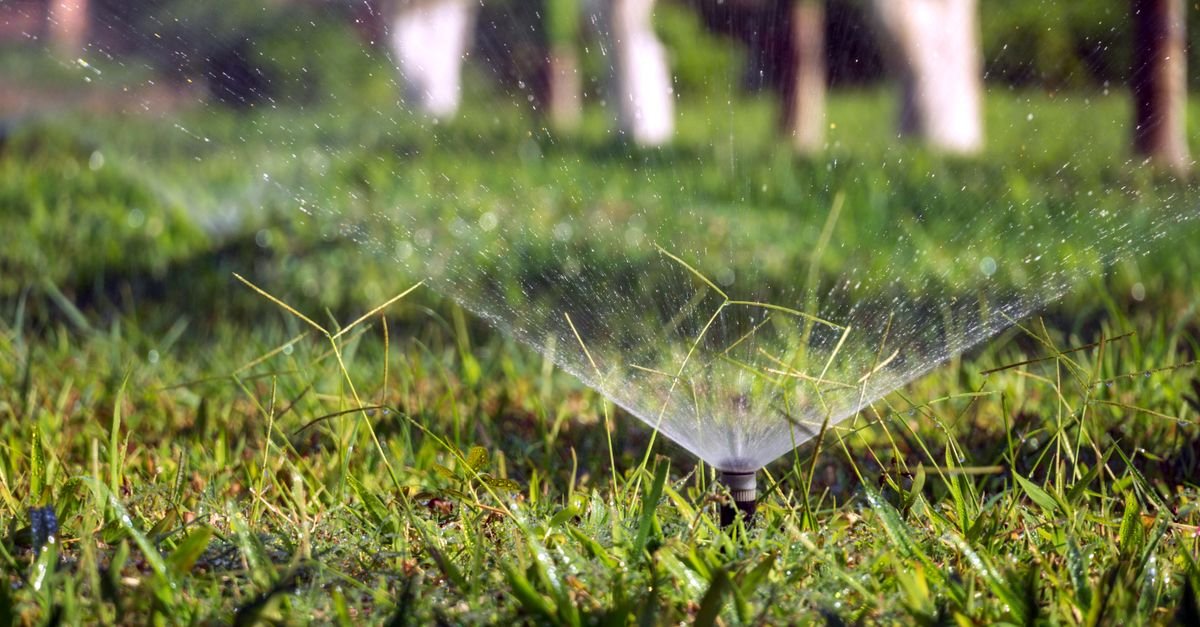
Irrigation and well water. EPA sets a secondary standard of 0.3 mg/L for iron, and lists the noticeable effects as “rusty color; sediment; metallic taste; reddish or orange staining” (US EPA, Secondary Drinking Water Standards). That is a very small amount of iron — far below anything you would taste — and a sprinkler head that throws across a driveway several times a week is delivering it repeatedly and letting it evaporate in place. If your stain is a fan shape or an arc, look for the head that draws it. Adjust the arc, fit a deflector, or have the water tested.
Embedded steel. Tie wire, mesh chairs, cut nails and rebar sitting too close to the surface. This one is different in kind and gets its own section below.
On sealing: a penetrating silane or siloxane sealer lines the pores and slows absorption, which genuinely helps with furniture and fertiliser incidents. It does not stop iron-bearing water evaporating on the surface and depositing there, so sealing a slab that has a sprinkler problem treats the symptom. Fix the water first, then seal.
When the Rust Has Gone Deeper Than Acid Reaches
If you have run two or three full oxalic cycles with real dwell time and the stain has stopped improving between rounds, the iron is further in than a surface-applied acid will reach.
Read the shape of the stain before deciding what to do:
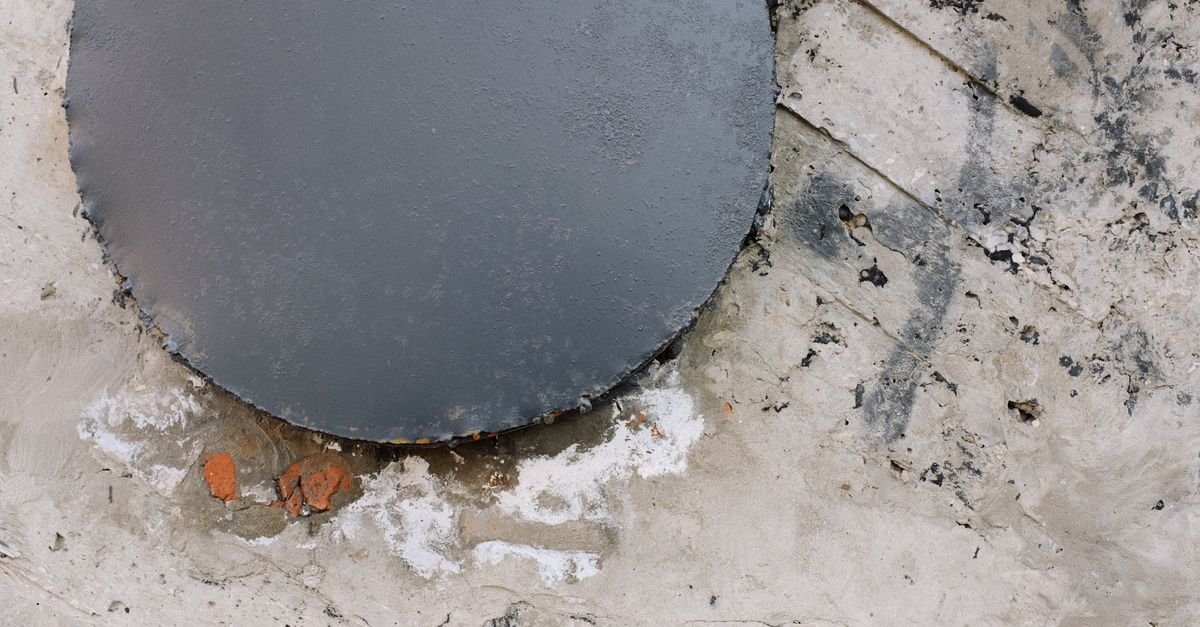
A stain in a straight line, or a grid, or a repeating pattern. That is reinforcement. Steel with too little cover is corroding, and corroding steel expands — which is why this pattern usually arrives alongside a hairline crack or a small spall. It is a structural matter, not a cleaning matter. Chemistry on the surface will not stop it, and the stain will come back from underneath however many times you remove it. Get it looked at before you spend another weekend on the colour.
A stain radiating from one point. Surface source, deeply set. This is the one worth pushing on.
Realistic remaining options, in order of cost:
- A stronger commercial rust remover with a heavier chelator package. Contractor-grade products exist and often succeed where the consumer tin plateaued. Same method, same dwell discipline.
- Mechanical removal — grinding or shot blasting. Takes off perhaps a millimetre or two of surface. It will remove the stain and it will change the texture of the area, so it makes more sense on a whole slab than on a patch.
- Change the colour instead of fighting it. A concrete stain, dye or coating over the whole slab makes the problem disappear by redefining what the slab looks like. Nobody wants to hear this, and it is often the cheapest honest answer for a badly marked driveway.
What is not on the list is more pressure. At this point every additional pass removes concrete and leaves the iron, which is the opposite trade you want.
FAQ
Does bleach remove rust stains from concrete?
No. Sodium hypochlorite works by oxidising, and the iron in rust is already fully oxidised, so there is no reaction available. It also lightens the surrounding concrete, which makes the stain look worse afterwards. Keep bleach well away from any acid you are using — ATSDR notes that hypochlorite releases chlorine gas on contact with acids.
Will a pressure washer remove rust stains from concrete on its own?
Generally not. The stain is inside the pore structure, not on the surface, so pressure can only reach it by removing the concrete around it. That is etching, and it leaves a rough, pale patch that stains again more easily. Use an acid to dissolve the iron, then a low-pressure rinse to flush it away.
What is the best rust remover for concrete?
An oxalic acid product, used at label strength with a ten to fifteen minute wet dwell and a stiff nylon brush. Oxalic acid chelates iron into a soluble complex, so it removes the stain without attacking the cement paste. Citric acid is the gentler option for fresh, light marks.
Does vinegar remove rust from concrete?
Only on very light, very recent staining, and less well than lemon juice. Vinegar is about 5% acetic acid, which is a poor iron chelator. Citric acid — in lemon juice or as a powder — holds dissolved iron in solution far more effectively at similar strength.
Can you use muriatic acid to remove rust from concrete?
You can, and it is usually the wrong choice. Hydrochloric acid dissolves the cement paste along with the iron, leaving a lighter, rougher, more porous patch that restains faster than the concrete around it. It belongs on mortar smear and efflorescence on new masonry, not on a driveway stain.
Why does the rust stain keep coming back?
Something is still supplying iron. The usual suspects are metal furniture feet, fertiliser granules containing iron sulphate, sprinkler or well water carrying dissolved iron, and corroding reinforcement too close to the surface. Find the source before cleaning again, or you will be cleaning it annually.
How long should oxalic acid sit on concrete?
Ten to fifteen minutes, kept damp throughout, unless the label says otherwise. Acid that dries has stopped working. If the stain improves but is not gone, run a second full cycle rather than increasing the concentration.
Are rust stains on concrete permanent?
Most are not, but a few genuinely are. Stains fed by corroding reinforcement will keep returning until the steel is dealt with, and stains that have survived several proper oxalic cycles are usually beyond surface chemistry. Those get ground, resurfaced or recoloured.
Dissolve the Iron, Then Cut Off Its Supply
The whole job comes down to two sentences. Use an acid that grabs iron rather than one that eats concrete, and give it the dwell time printed on the tin instead of the dwell time your patience allows. Then go and find the chair leg, the sprinkler head or the bag of weed-and-feed that put the iron there in the first place.
If you have already hit it with the pressure washer and made it worse, you are in good company — the stain looked exactly like dirt, and dirt is what the machine is for. Sweep it dry, buy the oxalic acid, and this time let the chemistry do the boring part.