
What PSI Pressure Washer Do I Need? 9 Proven Ranges
What PSI pressure washer do I need? Match 1,200–3,200 PSI to cars, siding, decks, patios and concrete safely, plus why GPM matters more than you think.

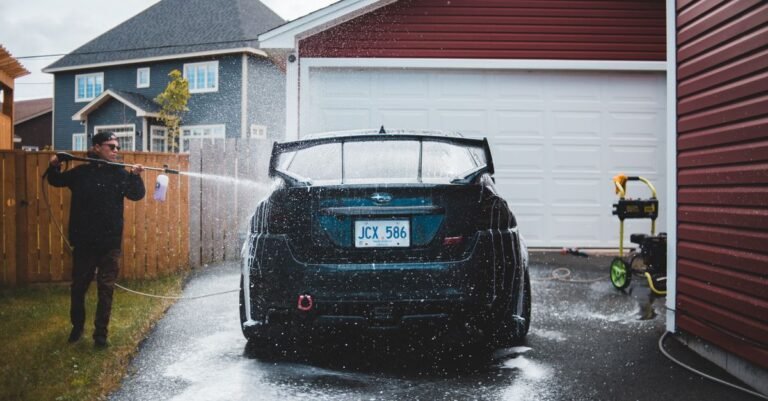
What PSI pressure washer do I need? Match 1,200–3,200 PSI to cars, siding, decks, patios and concrete safely, plus why GPM matters more than you think.

A pressure washer overheating is nearly always the machine cooking its own water: when you let go of the trigger, the unloader sends that water round a loop inside the pump, and it absorbs the full output of the engine with nowhere to dump it. Simpson’s own manual puts the limit at two minutes. Most

A pressure washer leaking oil is leaking from one of five places, and which one decides whether you are buying a three-dollar cap, a seal kit, or a whole new pump. The oil on the floor is not the fault. It is the fault’s return address. That distinction matters more here than on almost any

A pressure washer leaving streaks is almost always recording how you moved rather than reporting a fault in the machine, and the only question that decides what happens next is whether the stripe is a difference in cleanliness — which a second full pass evens out — or a difference in surface texture, which nothing
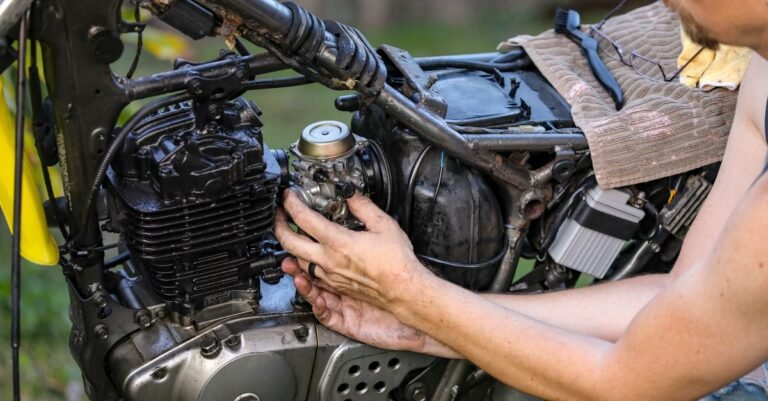
If your pressure washer starts then dies a few seconds later, the engine is almost certainly being fed by the choke and starved the moment the choke comes off — which makes this a fuel-delivery fault, not an ignition one. An engine with no spark does not fire at all. An engine that fires, catches,
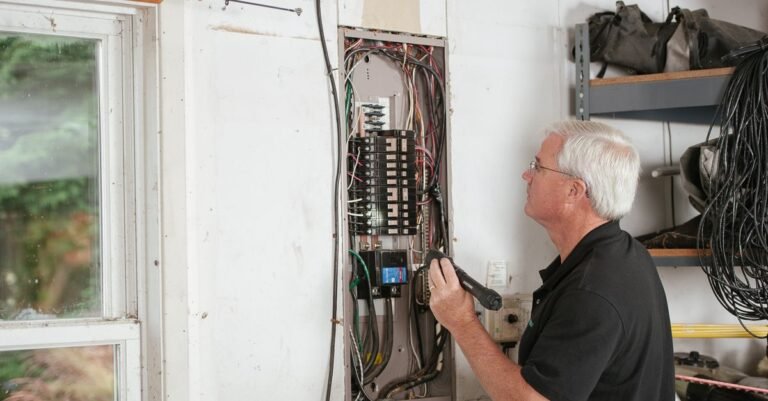
Pressure washer tripping breaker faults come in three unrelated varieties, and the fix depends entirely on which one you have: the GFCI built into the machine’s own plug, the circuit breaker in your house panel, or a thermal cut-out inside the motor that is not a trip at all. They feel identical from where you

Pressure washer cavitation is what happens when the pump cannot fill itself fast enough, so the water inside it boils at room temperature and the resulting vapour bubbles collapse against the metal — thousands of collapses a second, all landing on the same few square millimetres of valve seat. It is not a noise the
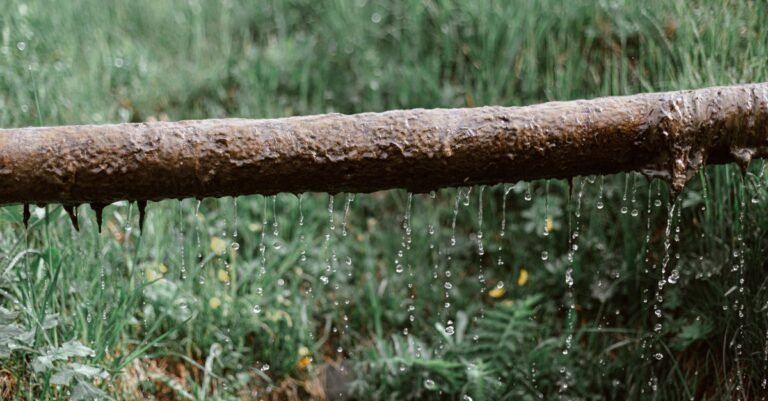
A pressure washer leaking water from pump seams, fittings or valves is showing you one of six different faults, and the exact spot the water comes from — not how much of it there is — is the entire diagnosis. Three of those six are not a pump failure at all. One of them is
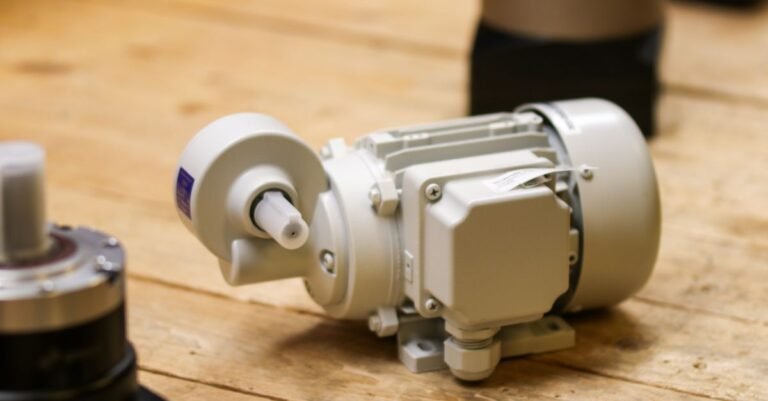
When a pressure washer motor hums but won’t start, the hum tells you the motor is energised and the rotor is not turning — which narrows the fault to five things: pressure trapped in the pump from the last use, a failed start capacitor, a pump seized solid, a jammed total-stop switch, or a supply
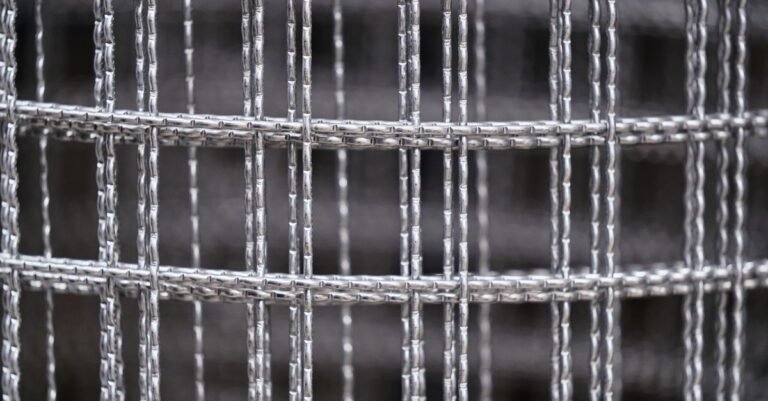
A clogged pressure washer inlet filter is a blocked mesh screen sitting inside the water inlet fitting, directly behind where your garden hose screws on — and it is the smallest, least expensive part on the machine standing between your water supply and a pump manifold that costs more than the machine is worth. When