Last Updated on October 4, 2026 by Umar Farooq
Can you pressure wash painted wood without stripping the paint? Yes — if the paint is sound and you stay under about 1,200 PSI with a 40-degree nozzle held 12 to 18 inches away. If the paint is already chalking, cracking or peeling, pressure washing will pull it off in sheets. And if the house was built before 1978, stop and test for lead first.
Can you pressure wash painted wood is really three questions wearing one coat: is the *paint* strong enough, is the *wood* soft or hard, and is the paint *safe to disturb*. Almost every guide answers only the first one, which is why homeowners keep ending up with a stripped porch rail and a repaint they did not budget for.
This page reconciles the wildly different PSI numbers published elsewhere, gives you a decision table crossed by paint condition and wood species, and covers the lead-paint rule that none of the top-ranking pages mention.
Can You Pressure Wash Painted Wood? Start With the Paint, Not the Machine
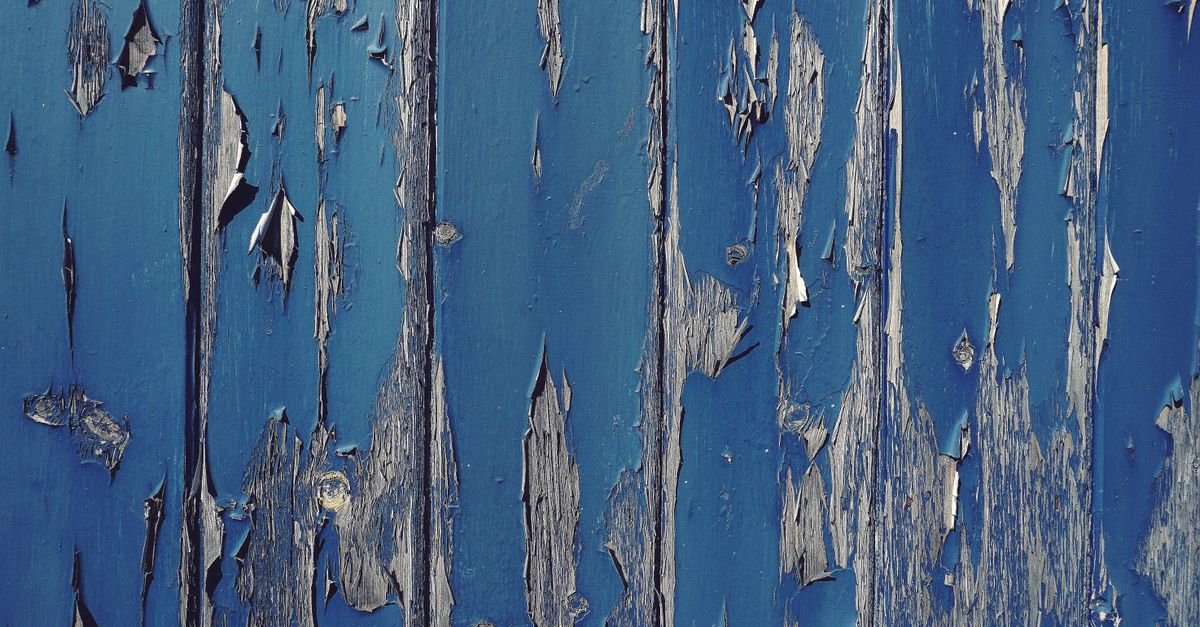
The paint film is the weak link, not the timber. A sound coat of exterior acrylic bonded to primed wood can shrug off a controlled 1,200 PSI fan. A 15-year-old oil coat that has lost its flexibility will lift at 600 PSI.
Do this five-minute test before you touch the trigger:
1. Press tape on it. Stick a strip of painter’s tape firmly on the paint, then rip it off fast. Paint on the tape means the bond is gone.
2. Scrape a patch. Drag a putty knife across a 6-inch section. If flakes come free, they will come free under water too.
3. Rub with a dark cloth. A chalky white residue on the cloth means the binder has broken down at the surface.
4. Look at the edges. Hairline cracking that follows the wood grain means water is already getting behind the film.
5. Check the sun side. South and west elevations fail years before the shaded sides.
If any two of those fail, you are not washing paint — you are removing it. Plan accordingly.
The PSI Table Nobody Publishes: Paint Condition Crossed With Wood Species
Published advice scatters between 500–600 PSI, 1,200–1,500 PSI and 1,500–2,000 PSI with no explanation. All three numbers are correct — they just describe different surfaces. Here is the reconciliation.
| Paint condition | Softwood (pine, cedar, redwood, fir) | Hardwood (oak, ipe, mahogany) | Nozzle | Distance |
| Sound, under 5 years old | 800–1,200 PSI | 1,200–1,500 PSI | 40° white | 12–18 in |
| Sound, 5–12 years old | 600–1,000 PSI | 1,000–1,300 PSI | 40° white | 18 in |
| Chalking but bonded | 400–800 PSI | 600–1,000 PSI | 40° or soap tip | 18–24 in |
| Hairline cracking | 300–600 PSI | 500–800 PSI | Soft wash only | 24 in |
| Peeling or flaking | Do not pressure wash | Do not pressure wash | Hand wash / scrape | — |
| Bare spots showing wood | 500–700 PSI max | 800–1,000 PSI | 40° white | 18 in+ |
| Pre-1978 paint, untested | Stop — test for lead first | Stop — test for lead first | — | — |
Why species changes the number so much: softwood is physically softer. Cedar and pine crush and “fuzz” under a jet that hardwood would ignore, and once the fibres lift, the next coat of paint sits on a raised nap and fails early. Two identical fences, one pine and one ipe, need different settings even with the same paint on them.
And the number that matters most is not on your machine. A 3,000 PSI washer with a 40-degree tip at 18 inches delivers far less force to the surface than the same machine with a 15-degree tip at 4 inches. If you are unsure how your machine’s rating translates to real pressure at the wall, start with what PSI pressure washer do I need.
Why Published Numbers Disagree So Wildly
Three sources, three answers, all defensible:
- Painting contractors often quote 500–1,200 PSI because they wash before repainting and cannot afford to fuzz the wood ahead of a new coat. Anderson Painting puts wood decks at 500–1,200 PSI and recommends a 25° or 40° tip.
- Wood siding manufacturers quote 1,500–2,000 PSI, but for *unpainted or stained* siding at 18 inches with a wide tip. UFP Edge’s wood siding guidance is a good example — the number assumes a sound, factory-finished board.
- Pressure washing companies quote 1,200–1,500 PSI as a general house figure that averages siding, trim and masonry together.
None of them are separating painted from unpainted or softwood from hardwood. That is exactly the gap the table above fills. When in doubt, take the lower number — you can always step up, but you cannot un-strip paint.
Nozzle Degree Matters More Than PSI on Painted Wood
Nozzle angle multiplies or divides the force hitting the paint. Same machine, wildly different results.
| Nozzle | Colour | Effect on painted wood | Verdict |
| 0° | Red | Cuts paint and gouges grain instantly | Never |
| 15° | Yellow | Strips paint in strips, leaves visible lines | Stripping only, never cleaning |
| 25° | Green | Aggressive; usable on sound hardwood only | Caution |
| 40° | White | Cleans without lifting sound paint | Default choice |
| 65° | Black (soap) | Applies detergent at low pressure | Use for the soap pass |
Three Technique Rules That Beat Any Setting
1. Keep the fan moving, parallel with the grain, overlapping each pass by a third. Stopping in one place for even a second leaves a lighter clean stripe that shows for years.
2. Spray downward or level, never upward into the lap of a board. Water forced up under a clapboard soaks the *back* of the paint film, and paint almost always fails from behind before it fails from the front.
3. Control force with distance, not with the trigger. Effective pressure at the surface drops off sharply as you back away. Moving from 6 inches to 18 inches does more to protect paint than dropping 500 PSI at the machine.
The full breakdown of tips and their pressures is in the pressure washer nozzle chart.
Lead Paint: The Rule Every Other Page Skips
This is the most important section on the page and almost nothing ranking for this topic mentions it.
If your house, deck, fence or porch was built before 1978, assume the paint contains lead until a test says otherwise. The EPA’s Renovation, Repair and Painting (RRP) Rule applies to housing, childcare facilities and preschools built before 1978, and it requires anyone *paid* to disturb painted surfaces there to be certified and to use lead-safe work practices.
Why pressure washing is a problem specifically:
- High-pressure water turns paint chips into an aerosol and a slurry that spreads far beyond the wall.
- The debris lands in soil, garden beds and the storm drain, where it stays. Lead does not break down.
- Children and pets play in that soil. Ingested lead-contaminated soil is a recognised exposure route.
- Runoff into a storm drain can bring separate local environmental penalties.
Where homeowners stand: the EPA generally exempts homeowners working on their own home. That exemption goes away if you rent out part of the property, run a childcare operation there, or are flipping the house for profit. And the exemption is legal, not biological — it does not make the dust safe for your own family.
How to Test for Lead Paint
Swab kits from any hardware store give a same-minute result and cost very little. Three things to get right:
- Cut down through every layer. Score the paint with a utility knife so the swab reaches the oldest coat. Lead is usually buried beneath newer paint, so a surface-only swab reads clean on a lead wall.
- Test several spots. Different elements were painted at different times. Test the siding, the trim, a window sash and a railing separately.
- Confirm anything ambiguous. For a definitive answer, send a paint chip to a certified lab or bring in a certified lead inspector or risk assessor.
What to Do If It Tests Positive
Do not pressure wash. Instead: wash by hand with a bucket, mild detergent and a soft brush, working over a plastic drop sheet that catches every chip. Collect the sheet and its contents rather than hosing them into the ground. Wear gloves and a respirator, keep children and pets away, and change clothes before going back inside.
If the paint is failing badly enough that a hand wash will not do, that is a repaint job, and the right move is an EPA lead-safe certified contractor rather than any DIY water method.
Soft Wash vs. Pressure Wash: The Actual Switch-Over Numbers
“Soft wash” is not a vague attitude — it is a defined pressure band. It means applying a cleaning solution at roughly under 100 PSI, letting it dwell to kill the mildew, then rinsing at low pressure. The chemistry does the work instead of the water.
| Condition | Method | Working pressure | Why |
| Light dust and pollen, sound paint | Rinse only | 300–600 PSI | Nothing is bonded to the surface |
| Green algae film, sound paint | Pressure wash | 800–1,200 PSI | Loosely attached, water removes it |
| Black mildew spots, sound paint | Soft wash | Under 100 PSI + rinse | Roots are in the film; chemistry required |
| Paint over 10 years old | Soft wash | Under 100 PSI + rinse | Film has lost flexibility |
| Any chalking present | Soft wash | Under 100 PSI + rinse | Pressure streaks chalk unevenly |
| Historic or heritage woodwork | Hand wash | Bucket and brush | Irreplaceable substrate |
| Prep before repainting | Pressure wash | 600–1,000 PSI | Removes failing paint deliberately |
The threshold to remember: once paint passes roughly ten years old, or shows any chalk on a dark cloth, stop treating pressure as your tool and switch to detergent plus dwell time. Oxygen bleach or a dedicated exterior house wash both work, and neither will bleach the paint colour the way strong chlorine can.
Can You Pressure Wash Painted Wood Furniture, Doors and Railings?
Small painted items are the most commonly damaged, because the same technique that is fine on 40 feet of siding is far too much on a chair leg.
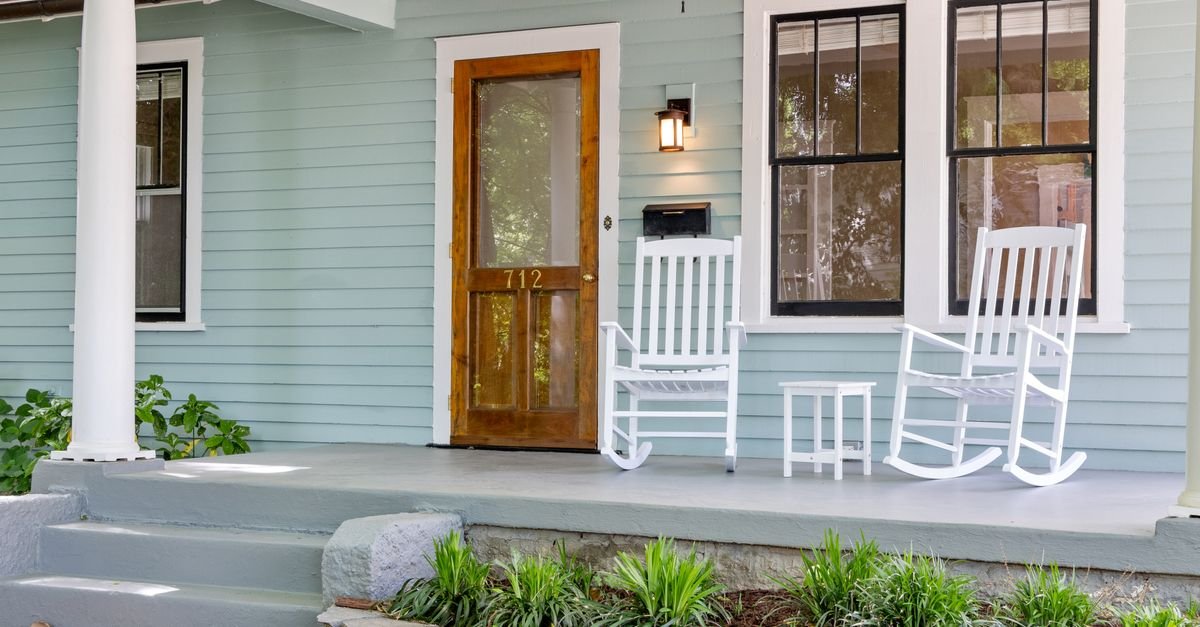
- Painted furniture: hand wash. The pieces are thin, the joints are glued, and forcing water into a mortise swells the joint and pops it loose. Warm water, mild soap, a soft brush. The same logic applies to plastic patio furniture.
- Exterior doors: never. Water driven past the weatherstrip goes straight into the house.
- Railings and balusters: 40-degree tip, 600–800 PSI, 18 inches, and expect end grain on the top of posts to soak up water. End grain absorbs many times faster than face grain and is where rot starts.
- Painted fences: possible, but the pickets flex under the fan and the flex cracks the paint. Work the flat of the picket, not the edges — the full method is in how to pressure wash a fence.
- Window trim and casings: stay a full 24 inches back and never aim at the joint between trim and glazing.
Washing Reveals Paint Failure You Already Had
Here is the thing homeowners find genuinely unfair, so it is worth saying plainly: a wash rarely creates paint failure — it exposes it.
Paint fails from the substrate side first. Moisture gets behind the film through end grain, unprimed cut edges or a bad caulk joint, and the bond quietly releases over years while the surface still looks fine. The film stays in place because nothing has disturbed it.
Then you wash, and the loose sheets come off. It feels like the pressure washer destroyed the paint. In reality, that paint was already unbonded and had months, not years, left. The wash simply moved the timeline forward and told you the truth.
The practical takeaway: if paint comes off during a wash, do not turn the pressure down and try to save it. Turn the pressure down, stop, and re-plan the job as a repaint. Painting over paint that failed under water pressure will fail again in one season.
Drying Time Before You Repaint or Reseal
Wood that looks dry on the surface is often still wet inside. Paint applied over damp wood blisters within months.
| Conditions | Softwood siding or fence | Deck boards / horizontal wood | Reliable test |
| Sunny, 75°F+, low humidity, breezy | 24–48 hours | 48 hours | Moisture meter under 15% |
| Warm, 65–75°F, average humidity | 48–72 hours | 3 days | Meter under 15% |
| Cool, 50–65°F | 3–5 days | 4–7 days | Meter under 15% |
| Humid or coastal | 4–7 days | 5–7 days | Meter under 15% |
| Shaded north elevation | Add 1–2 days | Add 2 days | Meter under 15% |
| Any conditions, after a soaking wash | Never same day | Never same day | Plastic tape test |
No moisture meter? Use the plastic test. Tape a square of clear plastic sheet tightly to the wood, leave it in the sun for four hours, and look for condensation underneath. Any fogging means the wood is still releasing moisture and paint will not bond.
Step by Step: Washing Painted Wood Without Wrecking It
1. Test the paint using the five checks above, and lead-test anything pre-1978.
2. Fit the widest tip you own — 40 degrees — and clip the 0° and 15° tips somewhere else entirely.
3. Wet the plants and cover them. Detergent kills shrubs faster than water does.
4. Test on a hidden panel. Back of the shed, behind a downspout. Watch it for 60 seconds after washing to see if paint lifts.
5. Apply detergent bottom to top with the soap nozzle so streaks do not run down dry paint and set.
6. Let it dwell 5–10 minutes. Do not let it dry. Re-mist if the sun is hitting it.
7. Rinse top to bottom, moving the fan with the grain, overlapping a third, 12–18 inches out.
8. Never spray upward into a lap joint. Hold the wand level or angled down.
9. Walk the whole surface afterward looking for lifted edges. Scrape, prime and spot-paint anything that moved.
Five Mistakes That Ruin Painted Wood
- Using the 15-degree yellow tip because it “cleans faster.” It leaves permanent parallel stripes that show through the next coat of paint.
- Getting closer instead of using detergent. Distance is your pressure control. Chemistry is your cleaning power.
- Washing in direct hot sun. Detergent dries on the surface and leaves a haze that has to be washed off again.
- Ignoring end grain. Post tops, board ends and cut edges soak up water and start rot long before the faces do.
- Repainting too soon. The single most common cause of a repaint that blisters within a year.
FAQ
Will 1,500 PSI strip paint from wood?
On sound paint over hardwood, usually no. On softwood such as pine or cedar, or on paint older than about eight years, 1,500 PSI at close range very often will lift it. Nozzle and distance decide the outcome as much as the PSI rating — 1,500 PSI through a 40-degree tip at 18 inches is far gentler than 1,200 PSI through a 15-degree tip at 4 inches.
What PSI removes paint from wood?
Deliberate paint removal generally starts around 1,500–2,500 PSI with a 15-degree tip held close. That is also enough to gouge softwood and raise the grain, which is why professionals usually use chemical strippers and scrapers instead. Pressure washing removes paint unevenly and leaves a surface that needs sanding anyway.
Can you pressure wash painted wood siding on a house?
Yes, if the paint passes the tape and scrape tests and the house is post-1978 or lead-tested clear. Use 800–1,200 PSI, a 40-degree tip and 12–18 inches, and keep the spray level or downward so water is not driven under the clapboards.
Is it safe to pressure wash a painted deck?
Deck boards are horizontal, which means water pools rather than running off, and the paint on a deck already takes foot traffic. Stay at 500–800 PSI with a 40-degree tip and expect to find failing patches. Composite decking has its own limits — see what PSI to pressure wash composite decking.
How do I know if my paint has lead in it?
You cannot tell by looking. Buy a lead test swab kit, or send a paint chip to a certified lab. Test in more than one place and cut down through all the layers, because the lead is often in an older coat buried under newer paint.
Should I pressure wash before painting?
Washing before painting is standard practice — it removes chalk, mildew and dirt so the new coat can bond. Use 600–1,000 PSI, let failing paint come off deliberately, then scrape, sand and prime the bare patches. Allow the full drying time in the table above before the first coat.
Can pressure washing cause wood rot?
Not by itself, but it can start the chain. Water driven into end grain, behind lap joints or through a cracked paint film stays there and keeps the wood damp. Rot needs sustained moisture above roughly 20% content, which is exactly what trapped water provides.
What detergent is safe on painted wood?
A dedicated exterior house wash or an oxygen bleach solution is safest. Strong chlorine bleach kills mildew effectively but can dull or lighten coloured paint and damages nearby plants. Always rinse plants before and after, whatever you use.
How often should painted wood be washed?
Once a year is right for most climates, ideally in spring. Shaded, north-facing or heavily wooded properties may need it twice a year because mildew returns faster. Regular gentle washing is far kinder to paint than a single aggressive wash every five years.
Can I pressure wash painted wood in cold weather?
Avoid it below about 50°F. Paint films become brittle in the cold and chip more easily, drying takes far longer, and any water left in the machine risks freezing. Wait for a stretch of mild, dry weather.
Sound Paint, Low Pressure, Wide Tip
So, can you pressure wash painted wood? Yes — with three conditions attached. The paint must pass the tape and scrape test, the pressure must match the wood species and the age of the coat, and anything painted before 1978 must be lead-tested before high-pressure water touches it.
Get those right and the practical settings are straightforward: 800–1,200 PSI on sound paint over softwood, up to 1,500 PSI on hardwood, a 40-degree tip, 12 to 18 inches of standoff, and the spray held level or angled down. The moment the paint chalks on a cloth or lifts under tape, put the pressure away and soft wash instead.
And if the paint does come off during the wash, remember what it means. It was already gone. You just found out today instead of next spring.
Verified sources: EPA — Renovation, Repair and Painting Program · UFP Edge — How to Wash Wood Siding · Anderson Painting — Safe PSI for Siding and Decks