Last Updated on September 25, 2026 by Umar Farooq
How do I remove efflorescence from brick? Dry-brush it off with a stiff fibre brush on a warm, dry day, before any water touches the wall — and only reach for a proprietary masonry cleaner if the brush leaves something behind. That is the whole removal job, and it takes about ten minutes on a typical patch.
The reason nobody believes that is the second half of the answer. Efflorescence is not sitting on your wall. It came out of it. Brushing it off is closer to wiping the label off a problem than fixing one, and if the bloom returns next spring, no amount of scrubbing is going to change that.
I read the Brick Industry Association’s technical note on efflorescence expecting a cleaning procedure. Removal gets one paragraph, on page nine of eleven. The other eight pages are about drainage, flashing and where water gets in. That ratio is the actual answer to the question.
How Do I Remove Efflorescence From Brick? Start Dry
Work in this order and stop at the first step that works. Every step down the list adds water, chemistry or risk, and the top of the list handles most walls.
1. Pick the weather. Warm and dry, with no frost forecast. The Brick Industry Association is specific that washing efflorescence off brickwork is not advisable except in warm, dry weather, because washing leaves considerably more moisture behind and that moisture brings more salt to the surface (BIA Technical Note 23A).
2. Dry-brush it. A stiff natural or synthetic fibre brush on a pole. Never a wire brush — it abrades the fired face and leaves iron particles in the pores that rust into orange streaks later, which is a worse stain than the one you started with. Wear a dust mask; you are aerosolising alkali salts.
3. Sweep top to bottom, then clear the debris away from the base of the wall. Salt swept into the soil at the footing is salt available to be wicked straight back up. Brush it onto a tarp and bin it.
4. If the brush alone is not enough, add plain water and keep brushing. Stiff fibre brush plus water is BIA’s second step for light efflorescence. Rinse afterwards until the runoff is clear, and let the wall dry fully before you judge the result.
5. Only then, a proprietary masonry cleaner. Test it on a patch of around 20 square feet, let that patch dry completely, and look at it in daylight before you commit to the whole elevation. A cleaner that looked fine while wet can leave a pale scum that only appears two days later.
That is it. There is no step six involving more pressure, and the step most people start at — hose — is step four.
The Salt Was Always in the Wall
Efflorescence needs three things at once, and the useful part is that all three are fixable in principle. There have to be water-soluble salts in or touching the brickwork. There has to be water in contact with those salts long enough to dissolve them. And there has to be a pore structure the salt solution can travel through, with a temperature or humidity gradient pushing it toward a face where the water can evaporate.
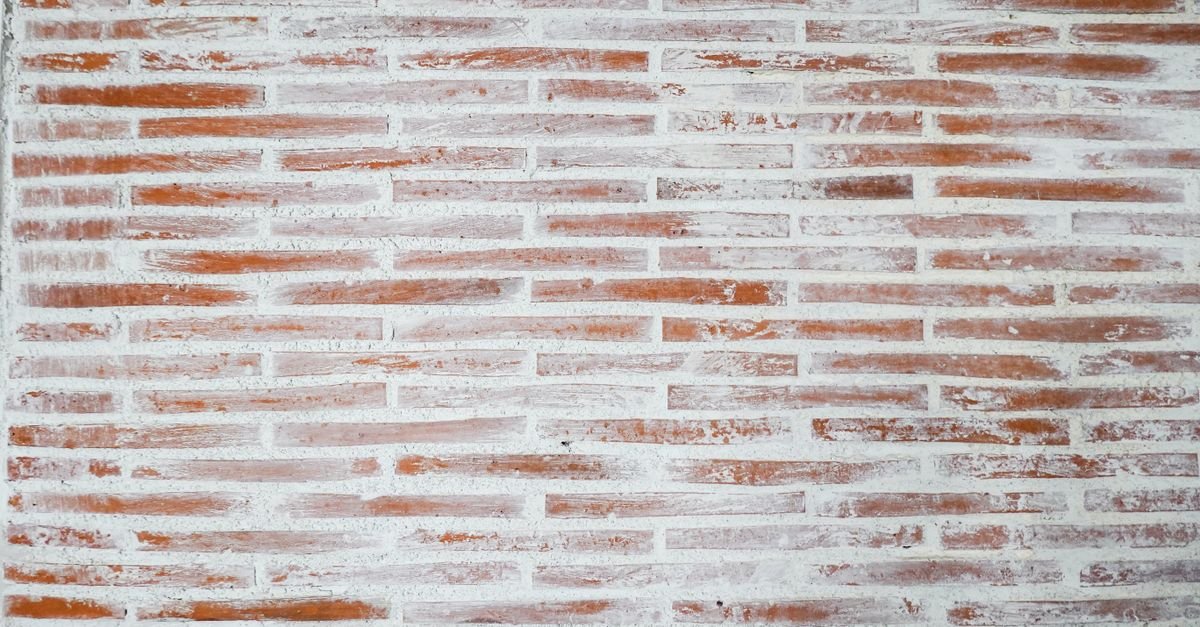
Here is the part that surprises people: the brick is usually innocent. BIA notes that the soluble compounds behind surface efflorescence most commonly originate in the materials *in contact with* the brick — mortar, grout, concrete backing, concrete, soil — and that the principal contributor in mortar and grout is the alkali content of the portland cement. The brick gets blamed because it is darker, so the white shows, and because its capillary porosity is exactly what moves the water. That porosity is not a defect either. It is what lets mortar bond to brick in the first place.
So when you look at a wall streaked with white, you are looking at cement chemistry that has been dissolved, carried a few inches sideways and dried in public.
This is where I will state the one opinion in this article plainly: removing efflorescence is not cleaning. It is evidence disposal. The salt is a readout of where water is moving inside your wall, and brushing it off deletes the readout without touching the mechanism. If the wall is more than a year old and the bloom keeps returning, you have a drainage job that is disguised as a cleaning job — and every season you spend brushing is a season the water keeps working.
Why Reaching Straight for the Hose Backfires
Plain water feels like the obvious move. Salt is water-soluble, the deposit is salt, therefore hose. The logic is sound and the outcome usually is not.
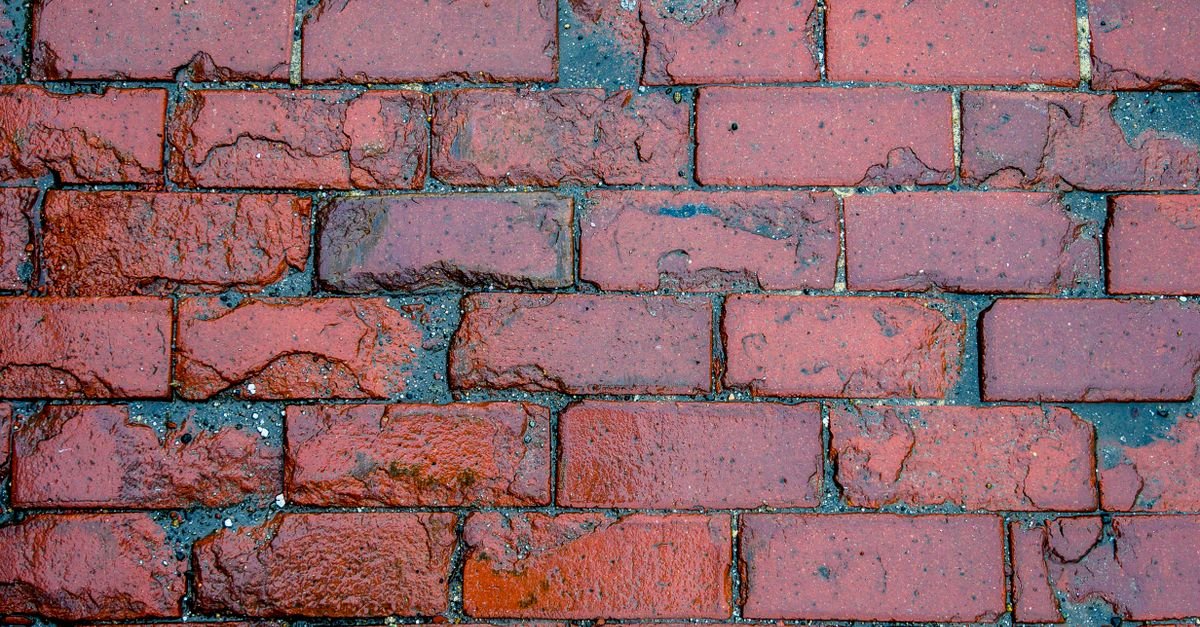
What actually happens is that the water dissolves the visible bloom, some of that solution soaks back into the pores rather than running off, and a few days later it evaporates and deposits a second bloom — sometimes wider than the first, because you have redistributed the salt across a larger area. You have not removed anything. You have given it a lift to a new address.
Dry-brushing works precisely because it takes the salt away as a solid. Nothing re-dissolves, nothing migrates, and the wall’s moisture content does not go up.
Timing makes this worse or better. BIA’s guidance for water-only cleaning of brickwork is to work when the temperature will be 40 degrees Fahrenheit or above and stay there until the wall is dry, and ideally above freezing for seven days afterwards (BIA Technical Note 20, Cleaning Brickwork). Washing a brick wall in October is how you get a saturated wall going into the first hard frost, which is a different and considerably more expensive article. The wall does not need a drink. It has clearly been having several.
New Building Bloom vs. the Kind That Keeps Coming Back
Before you do anything, work out which of two completely different problems you have. The tell is age and pattern.
| New building bloom | Recurring efflorescence | |
| Wall age | Less than a year old | More than a year since construction |
| Pattern | Fairly uniform across the whole elevation | Localised — bands, patches, streaks below a feature |
| Cause | Normal evaporation of construction water | Excessive water penetration or poor drainage |
| Worst when | First dry spell after the build | Winter and cold weather |
| What to do | Let it weather for a year | Find the water source before cleaning |
| Will cleaning fix it | Yes, and often nothing is needed at all | No |
New building bloom is the easy one. It appears on brickwork less than a year old, spreads evenly, and comes from water that was mixed into the mortar and grout and is now leaving. BIA’s position is to allow a year of weathering to remove it naturally — wind and rain do the job for free, and cleaning a new wall too aggressively is itself a documented cause of fresh efflorescence.
Recurring efflorescence is the one worth your attention. When it turns up more than a year after construction, it is generally down to water getting in where it should not, and it tends to be at its worst in winter. A patch that reappears in the same three square feet every February is not a stain. It is an arrow.
When a Masonry Cleaner Earns Its Place
Sometimes the brush genuinely is not enough — heavy accumulation, a deposit that has been through a few freeze cycles and set hard, or salts that are not the easily soluble kind. That is what proprietary masonry cleaners are for, and BIA’s escalation ladder is worth following exactly: water only, then mild detergents and surfactants, then one-step chemical cleaners, then two-step. Start at the gentlest thing that could work.
Two rules are non-negotiable if you go chemical.
Saturate the wall first, and keep it wet. Soak the area you are cleaning *and* the brickwork below it with plain water before the cleaner goes on, and keep it wet until the final rinse. Dry masonry absorbs the cleaning solution and any dissolved mortar particles to a depth you cannot get them back out of, which produces white scum, manganese and vanadium staining, and — with lovely irony — fresh efflorescence. Pre-wetting keeps the chemistry on the surface where it can be rinsed off.
Do not use unbuffered muriatic acid. Muriatic acid is diluted hydrochloric acid, it is sold everywhere for masonry, and BIA says plainly not to use it unbuffered, along with hydrofluoric acid. Unbuffered high-strength acid discolours brick — the light-coloured units in particular, in a way the trade calls acid burn — dissolves the cementitious binder out of mortar joints, and promotes vanadium and manganese stains. It gets better: BIA’s own table of efflorescing salts lists acid cleaning as the most probable source of two of them, potassium chloride and vanadyl chloride. Muriatic acid is on the list of things that *cause* efflorescence. Proprietary cleaners contain acids too, but they are buffered and formulated for brick, which is the entire difference.
And one absolute rule about mixing. Never let an acidic cleaner meet sodium hypochlorite. Plenty of people wash masonry with SH to kill algae and mildew, then reach for an acid cleaner on the salt bloom in the same session. ATSDR states it flatly: sodium hypochlorite releases chlorine gas when it comes in contact with acids (ATSDR, Medical Management Guidelines for Chlorine). If you have used SH on that wall, rinse it to clear runoff, wait, and never share a bucket, a sprayer or a downpipe between the two. Our guide to sodium hypochlorite for pressure washing covers handling it properly.
Pressure Numbers the Brick Industry Actually Publishes
I went looking for what pressure is actually sanctioned for cleaning brickwork, because homeowner sources quote figures all over the map. The Brick Industry Association’s published numbers are lower than almost anything you will read elsewhere, and they are specific.
| Stage | Published limit |
| Pre-wetting | Less than 100 psi |
| Applying cleaning solution | 30 to 50 psi, wide-angle fan tip |
| Rinsing | 100 to 400 psi |
| Absolute ceiling at the nozzle | 400 psi, unless the brick maker permits more |
| Tip and distance | Stainless 25 to 50 degree fan, minimum 12 inches from the face |
Four hundred psi is roughly a garden hose with a decent nozzle. A homeowner gas machine idles at seven times that. Which means that for efflorescence work, your pressure washer is mostly a way of holding water, and the honest tool list is a pump sprayer, a fibre brush and a hose.
If you do use the machine, fit the widest tip you own, stand well back, and treat distance as the pressure control it is. And check the wall first: if the mortar crumbles under a key or joints are missing, stop and repoint before any water goes near it. That gate, and the PSI-by-era table for brick generally, is covered in our guide to pressure washing brick. The same low-pressure discipline applies to flatwork, where brick patio pavers lose their joint sand for exactly the same reason mortar joints lose theirs.
Hunt the Water, Not the White
This is the section that actually fixes the problem, and it starts with looking at *where* the bloom is rather than what it is made of. The position of efflorescence on a building is a map of the water path.
Walk the wall and check, in this order:
- Bottom three courses. Ground built up above the damp course, soil or mulch piled against the brick, or splash-back off a hard surface. The cheapest fix on this entire list is usually a shovel.
- Under windowsills and copings. Eroded mortar in a coping or sill, or a missing drip edge, sends water straight into the wall head. Look for bloom in a band directly below.
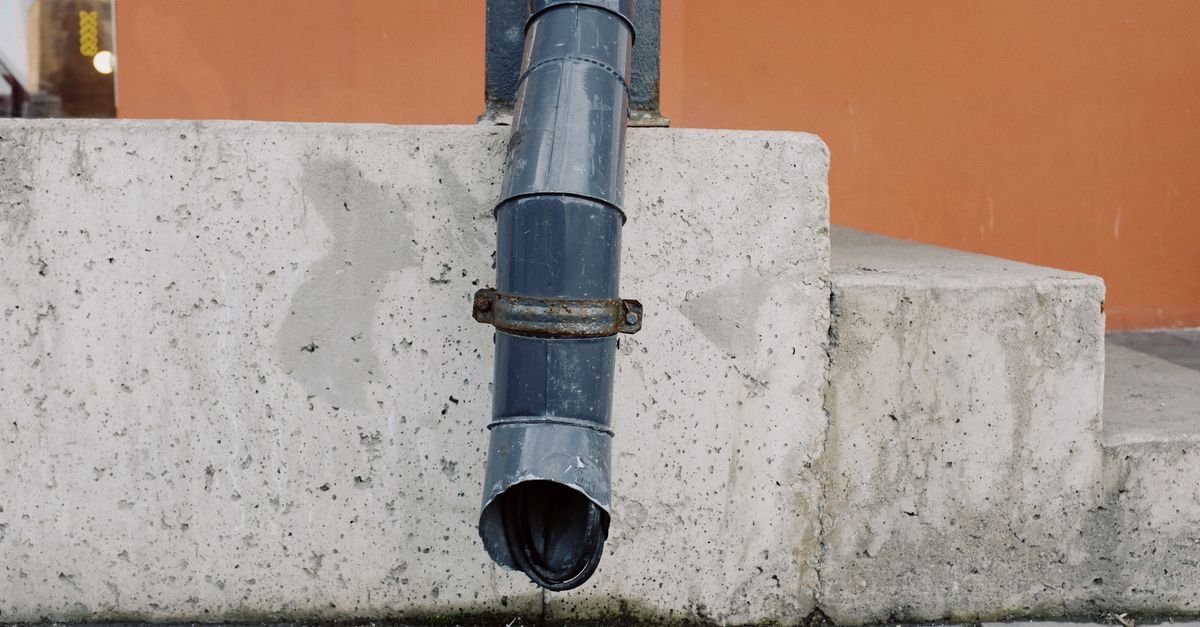
- Around downspouts and gutters. A blocked or disconnected downspout puts a season of roof water into one square foot of brickwork.
- Weep holes. Obstructed weeps at the base of a cavity wall mean water that got in cannot get out. They are often full of mortar droppings from the day the wall went up.
- Flashing, drips and sealant joints. Roof-to-wall junctions are the classic entry point, and the classic thing nobody inspects.
- The unglamorous ones. BIA’s list for when the obvious sources are eliminated: condensation inside the wall, badly aimed landscape sprinklers, leaky pipes, faulty drains, and condensation forming on heating or plumbing pipes. A sprinkler head that clips a brick wall twice a day is a remarkably effective efflorescence machine.
The sequencing matters as much as the list. BIA’s instruction is to repair the moisture ingress and let the brickwork dry *before* removing the efflorescence. Clean first and you lose the only diagnostic you had, and you will be back in the spring with the same brush and the same wall.
Sealing Over It Is the Expensive Mistake
The internet’s favourite answer to recurring efflorescence is a clear water repellent or a masonry sealer. It sounds right — keep water out, no more salt. It is also the one action that can convert a cosmetic problem into a structural one.
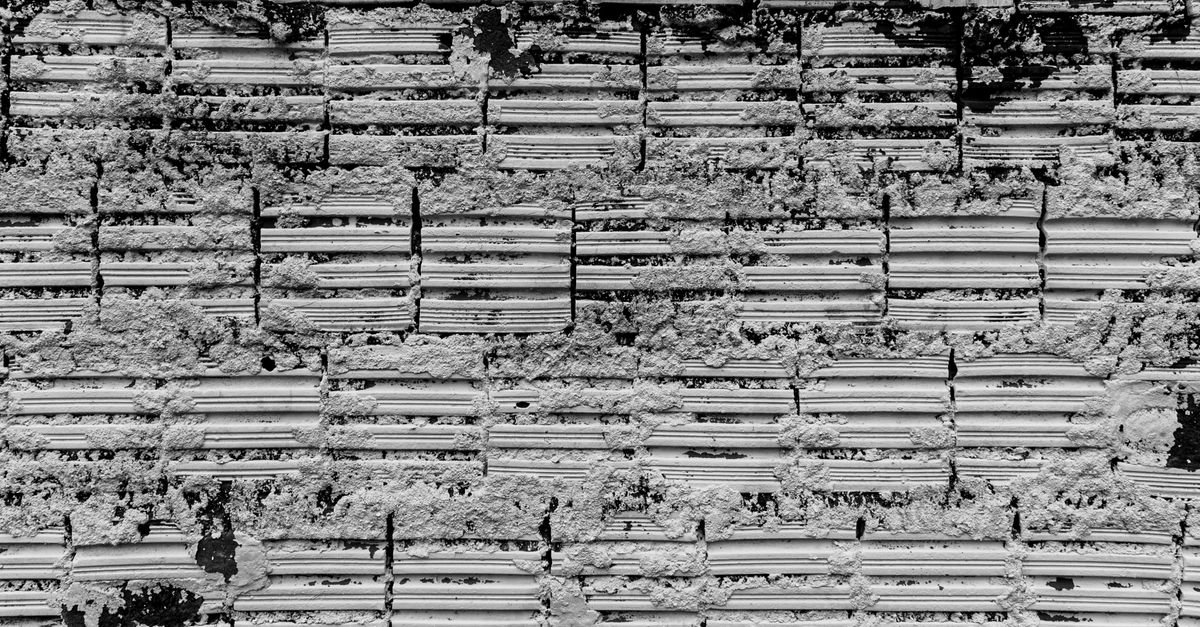
Here is the mechanism. A coating does not stop water that is already inside the wall from travelling outward. It stops it at the inner margin of the treated zone, typically an eighth to a quarter of an inch below the surface. The water evaporates there and passes out through the coating as vapour. The dissolved salt cannot. It crystallises inside the brick instead, a few millimetres behind the face.
That is called cryptoflorescence, or subflorescence, and growing salt crystals in a confined pore develop enormous pressure. The result is not a white bloom you can brush off. It is the brick face lifting, blistering and popping off — spalling — and you cannot brush that back on. BIA’s conclusion is that coatings are not recommended as the sole treatment for efflorescence problems, and the reason is that a sealer applied to a wall that is still taking on water does not solve the problem, it relocates it somewhere you cannot reach.
If the water source is genuinely fixed, the wall has had a full dry season, and the efflorescence has stopped returning on its own, a breathable vapour-permeable treatment is a reasonable belt-and-braces measure. In that order, and not before. Painting is worse again: paint over efflorescence and the salt keeps arriving underneath the film, which is how you get paint that peels off in sheets a year later with white powder on the back of it.
FAQ
Does vinegar remove efflorescence from brick?
Often yes on light deposits, and it is gentler than muriatic acid, but it is still an acid and it still adds water. Dilute white vinegar, applied to a pre-wetted wall, left ten to fifteen minutes and then brushed and rinsed, will lift most soft bloom. Test an out-of-sight patch first and let it dry before judging it, and keep it well away from any surface you have treated with sodium hypochlorite.
Will efflorescence go away on its own?
New building bloom on brickwork under a year old usually will. Most efflorescing salts are water-soluble and normal weathering carries them off, which is why the standard advice is to allow a year before doing anything. Efflorescence that appears more than a year after construction will not resolve itself, because the water getting in has not gone anywhere.
Can I pressure wash efflorescence off brick?
You can, and it is the wrong first move. The Brick Industry Association’s ceiling for pressurised water on brickwork is 400 psi at the nozzle with a 25 to 50 degree fan tip held at least 12 inches away, which is a fraction of what a homeowner machine produces. Beyond that you erode mortar joints. Dry-brush first; if you do rinse, use the widest tip you have, stay back, and do it in warm, dry weather.
How do I tell efflorescence from mould?
Put a drop of water on it. Efflorescence is a salt and mostly dissolves; mould does not, and will usually smear. Efflorescence is white to off-white, powdery or crystalline, and sits on the surface of masonry. Mould is often green, grey or black, grows in shaded and persistently damp areas, and has a musty smell. Both point at a moisture problem, so the diagnosis changes the cleaner, not the underlying job.
Is efflorescence on brick harmful?
The deposit itself is not dangerous to touch, though you should wear a dust mask when dry-brushing it because it is an alkali salt in powder form. The concern is what it indicates. Persistent efflorescence means water is moving through the wall, and that same water causes freeze-thaw spalling, mortar deterioration and interior damp.
How long should I wait before sealing or painting brick after cleaning?
Give it at least seven dry days, and longer if the wall has been soaked. Brick holds moisture for a surprisingly long time, and a coating applied over a damp wall traps that water and its dissolved salt behind the film. If the efflorescence was recurring rather than new building bloom, do not coat it at all until you have fixed the water source and watched a full season go by without the bloom returning.
Why did efflorescence appear right after I cleaned the wall?
Because cleaning added the missing ingredient. Water drives the whole process, and both washing and chemical cleaning put considerable moisture into the masonry. Using an unbuffered acid makes it likelier still, since acid cleaning is itself a recognised source of chloride efflorescing salts. Let the wall dry fully, then dry-brush the new bloom rather than washing it again.
The Brush Before the Bottle
So: a stiff fibre brush, a dry warm day, a dust mask, and ten minutes. That handles the removal on most walls, and it is genuinely the whole of the cleaning job. If the brush leaves something behind, saturate the wall, use a proprietary masonry cleaner made for brick, test twenty square feet, and keep unbuffered muriatic acid and sodium hypochlorite in separate buckets, on separate days.
Then go and find the water. Look at the bottom three courses, under the sills, beside the downspout, at the weep holes. The white patch is telling you where it is, which is more than most building defects have the courtesy to do.
And if you are standing in front of a wall that has bloomed white every spring for four years and you have brushed it every one of them — put the brush down and get a ladder. The answer is up at the gutter.