Last Updated on September 26, 2026 by Umar Farooq
Cleaning RV exterior surfaces is mostly a bucket job, and the pressure washer’s honest share of it is the wheels, the skirt and everything below the road-spray line. Above that, you are standing in front of a building that does 65 miles an hour, and the three things holding it together are glued on.
That is the part the vehicle-washing advice misses. A motorhome is not a tall van and a travel trailer is not a long trailer. It is a small house with a flat roof, sealed seams, thin walls and its own name written down the side in the most fragile material anywhere on it. RV, camper, fifth wheel, caravan — the construction is the same, and so is the list of things that go wrong.
Three faults account for nearly all of the regret. Vinyl graphics, which fail from the cut edge inward and do not go back down. Lap sealant seams, where water driven behind a bead reappears as a soft floor in March. And the roof membrane, where the right chemistry depends on which one you own. After those comes the honest limit — the parts a pressure washer is genuinely good at, and the point where you put it away.
Vinyl Graphics Fail at the Edge, and Edge-Lift Is Permanent
Every swoosh, stripe, mountain range and manufacturer wordmark on an RV is pressure-sensitive vinyl film with adhesive on the back. Not paint. A film, cut to shape, with a perimeter — and the perimeter is where the adhesive is exposed to the world.
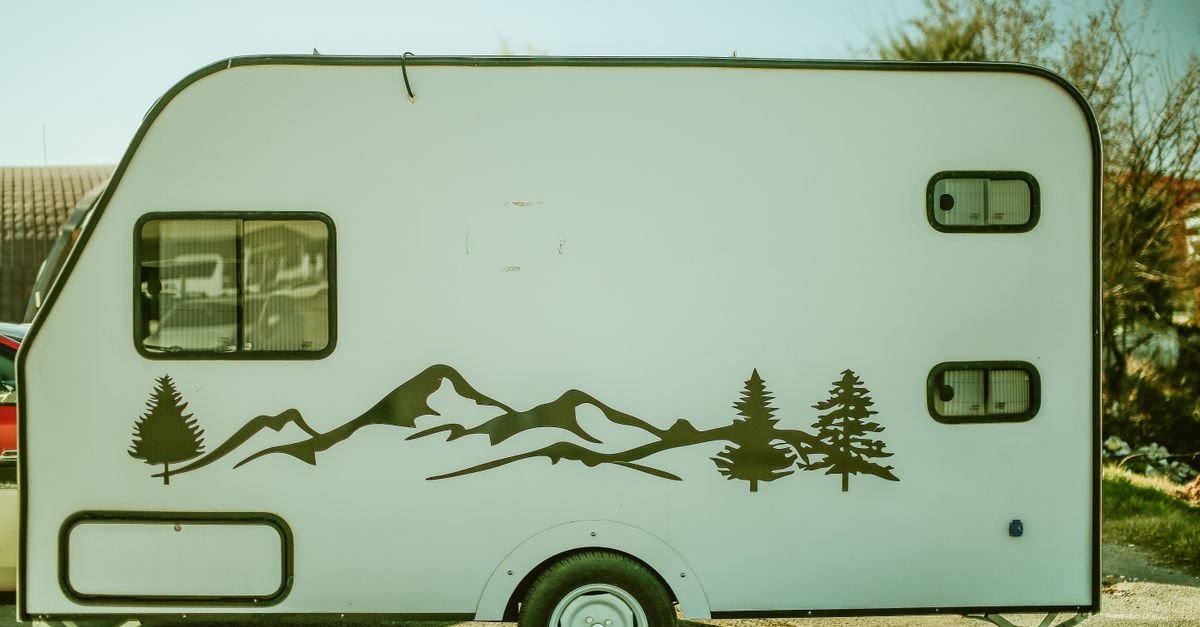
A jet arriving at a shallow angle to that cut edge does not scratch the graphic. It gets *underneath* it. Once water and air are in behind the film, the adhesive does not re-wet — it blisters, the blister grows with every hot afternoon, and the edge curls. That is edge-lift, and “permanent” is not a figure of speech here: replacing a full-body graphic package is a panel-by-panel job at a body shop.
Avery Dennison publishes the numbers, and they are stricter than anything in the RV forums. Its vehicle-wrap bulletin says a pressure washer “should only be used when all other cleaning methods have been used or tested and did not properly work” — and then, if you insist: water pressure below 1,200 psi, water temperature below 180°F, the nozzle at least 12 inches away from the edges, a 40-degree wide fan, and the nozzle perpendicular to the graphic, which “will avoid lifting edges of the wrap” (Avery Dennison IB1.50).
One item on that list contradicts everything you were told about washing a vehicle. On paint you sweep the fan across the panel at an angle, because square-on concentrates impact. On a graphic the angle *is* the failure mechanism and square-on is the safe option. The two rules are opposites, and an RV asks you to obey both within about four inches of each other.
The 1,200 psi figure also quietly assumes film in good condition, because it was written for a fresh wrap. The graphics on a ten-year-old camper have shrunk slightly, have hairline gaps at the cut lines and have been baked in UV for a decade. Nobody publishes what those are good for, which is reason enough to keep the wand off them.
The Seam Leak Shows Up as a Soft Floor, Not a Wet Patch
An RV sidewall is not a wall that sheds water. It is panels, extruded aluminium trim, butyl tape and a bead of sealant, and the bead is the waterproofing. Same on the roof: every vent flange, skylight frame, antenna base, marker light, ladder mount and screw head sits under lap sealant. Geometry is not keeping the rain out. Caulk is.
You can tell how the manufacturers feel about that from what they ask you to do while washing. Alpha Systems, which makes the SuperFlex membrane fitted to a great many trailers, says you should “check the lap sealant used in all termination areas” and “inspect the existing sealant around all accessories and fasteners for signs of cracking or voids” (Alpha Systems, Cleaning and Maintaining the SuperFlex Roof Membrane). Dicor publishes a touch-up procedure for the same beads. When two membrane makers both build sealant inspection into the wash routine, they are telling you the sealant is a consumable.
Which is why a jet at a seam is a bad idea in a specific way rather than a general one. Water forced past a cracked bead does not come back out. It goes into the cavity — luan skin, timber or aluminium framing, block foam insulation — and then it travels, because that is what water in a cavity does. The bill arrives later and somewhere else: a stain along a ceiling seam, a spongy patch of floor beside the slide, sidewall skin bubbling away from what is behind it. On the day you washed it, the RV looked immaculate.
I went looking for what that repair actually costs, because the internet has plenty of numbers. What I found was dealer and detailing blogs quoting each other, with no invoices and no claim records behind any figure. So I am not going to hand you a dollar amount I cannot stand behind. The mechanism is published by the people who make the sealant; the damage estimates circulating online are not.
The action is dull and it works. Rinse the seams with a hose rather than a wand, then do what both manufacturers actually asked and look at every bead. Cracked or voided sealant gets cleaned and re-sealed with the sealant your membrane maker permits — Alpha’s sheet puts it in capitals, “ONLY ALPHA SUPPLIED SEALANTS CAN COME IN CONTACT WITH THE SUPERFLEX ROOF MEMBRANE.” That is not a marketing line. It is a compatibility statement.
Do You Have EPDM, TPO or Fibreglass Up There?
This is the question that decides your chemistry, and a surprising number of owners have never asked it.
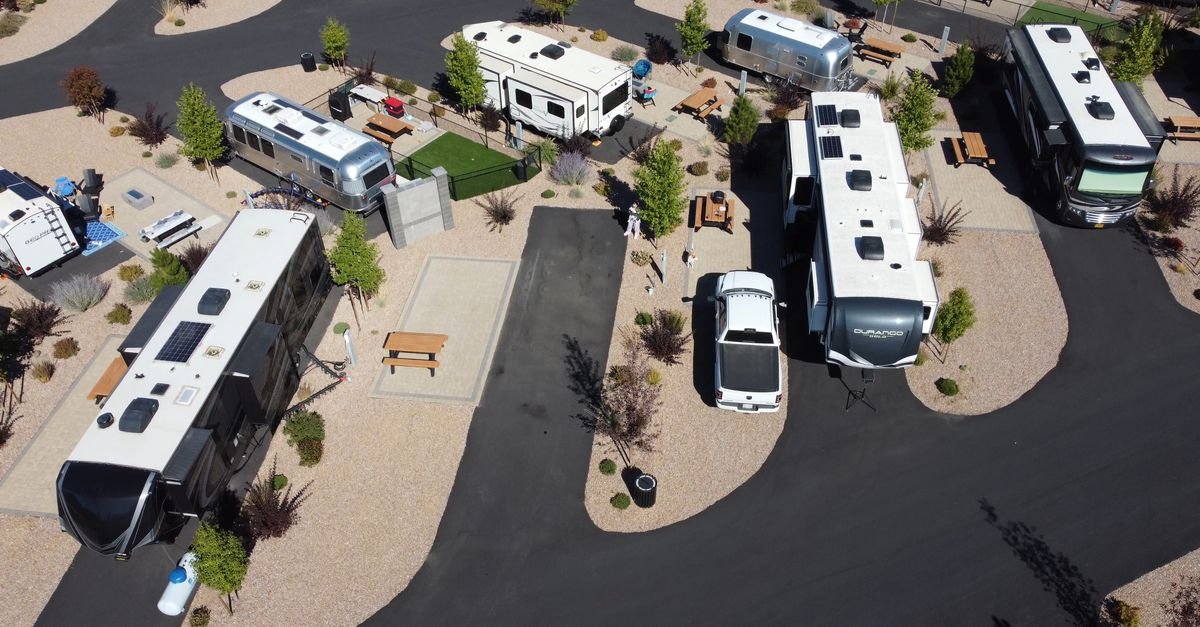
EPDM is a rubber membrane, usually a soft grey-white, slightly yielding underfoot, and it powders as it ages. TPO is a thermoplastic sheet — brighter white, harder, seams heat-welded rather than glued. Fibreglass or aluminium roofs are a hard shell and behave like a body panel. If you do not know which you have, the specification sheet for your model will say.
The published care instructions then split along predictable lines:
- EPDM (Dicor). Wash it at least four times a year, with a medium bristle brush and a rubber-roof cleaner. And the prohibition: “DO NOT use cleaners or conditioners containing petroleum solvents, harsh abrasives, or citric-based cleaners. You may cause irreparable damage to your roof and/or may void your warranty.” Mineral spirits are allowed on a stubborn spot and nowhere else — Dicor says not to use them “in a large area” or to let them soak in (Dicor EPDM Rubber Roofing).
- TPO (Alpha Systems SuperFlex). Clean three to four times per year with a non-abrasive household cleaner and a medium-bristled scrub brush, and then, in capitals: “DO NOT USE ACETONE, OR ANY OTHER PRODUCTS CONTAINING PETROLEUM DISTILLATES.”
Notice what is in both lists and what is in neither. Both say brush. Both say mild cleaner. Both ban petroleum. Neither mentions a pressure washer, and neither publishes a maximum PSI for the membrane. That absence is worth stating rather than filling in: the PSI figures floating around for RV roofs are not manufacturer figures, and I could not find a membrane maker who has put one in writing.
Alpha’s sheet also carries the line most likely to save you money in the accessory aisle. SuperFlex, it says, “does not require the periodic application of products to protect it from ultra-violet light or ozone. In fact, these products can often cause damage to the Superflex roof membrane.” A membrane manufacturer telling you its own roof does not need the protectant sold to protect it is about as close to a disinterested opinion as this industry produces.
(Before you climb anything: both makers warn that a wet membrane is extremely slippery, and not every RV roof is rated to walk on at all. That is a question for your owner’s manual, not a forum.)
Black Streaks Are Not Dirt
The universal RV complaint is the vertical black stripes running down the sidewalls from the roof edge, and the reason no amount of car wash shifts them is that they are not road grime. They came from above.
Both membrane makers tell you the useful half of that without quite spelling it out. Dicor instructs you to rinse thoroughly “to avoid residue build-up on the roof or sidewalls of the vehicle.” Alpha tells you to “thoroughly rinse the roof and sidewalls in order to remove any soap residue and to prevent streaking.” Two manufacturers, independently, build a sidewall rinse into a roof-cleaning instruction. The streaks are the roof, arriving by rainwater, one storm at a time.
The widely repeated explanation is that an EPDM membrane oxidises and sheds a chalky top layer by design, and that the chalk carries the dirt. It fits — Dicor’s own page sells its EPDM on the basis that it “resists uneven weathering, fading or chalkiness,” which tells you chalking is the recognised behaviour worth marketing against. But I did not find a membrane maker stating that mechanism in those words, so take it as the best available explanation rather than a published fact.
Either way it changes the tool. A greasy film bonded to a sidewall is a chemistry problem, and pressure is wrong twice over: it will not shift a film, and the streaks run straight down past every graphic edge you were trying to protect. Use a streak remover or mild alkaline cleaner, apply bottom-to-top so the runs do not stripe the dry panel below, five to ten minutes without letting it dry, agitate with a soft brush, rinse top-to-bottom. Then fix it upstream — wash the roof on the published schedule and there is less up there to run down. Black streaks are not really a cleaning failure. They are a wash interval that slipped.
Cleaning RV Exterior Panels the Wand Can Actually Handle
Here is the position this article rests on, and it will not please anyone who bought a machine for this job. On an RV, a pressure washer is a pre-rinse and an undercarriage tool. That is the whole role. Not because it cannot clean a sidewall — because everything valuable on an RV sidewall is stuck on with adhesive, and nothing below the skirt is.
The numbers make the case better than the opinion does. Vehicle paint is generally handled at 1,200–1,900 PSI with a 25- to 40-degree tip. Avery’s ceiling for vinyl film is 1,200 psi, perpendicular, no closer than 12 inches to an edge. A 2,000–2,800 PSI homeowner gas machine with a white 40-degree tip at 18 inches sits inside the paint band and above the graphics ceiling at the same time. There is no one setting that is right on both surfaces, and on an RV the two are adjacent. The tip-by-tip version of that argument is in the pressure washer nozzle for car breakdown.
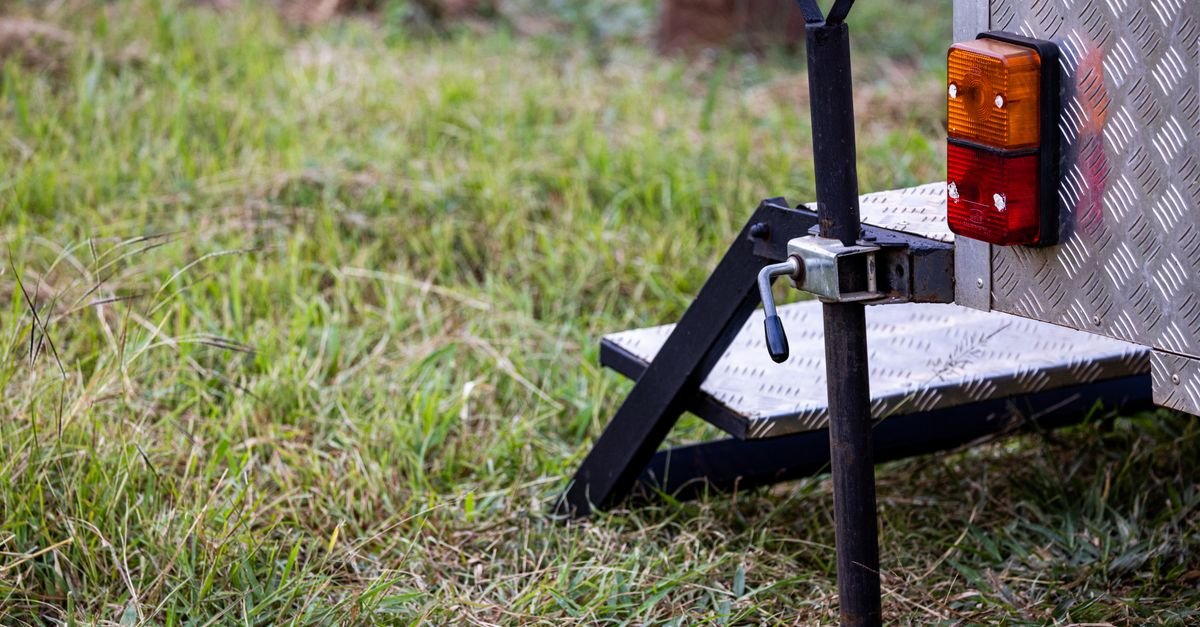
So the wand’s list, which is genuinely useful:
- Wheels, tyres, hub covers and wheel wells. Green 25-degree tip, about 12 inches. This is where road salt lives and a long rinse does real good.
- Frame, axles, spring hangers, stabiliser jacks and the tongue or hitch. Steel that wants flushing, not polishing.
- The lower skirt and the bottom of the entry steps, below the graphics and below any seam worth troubling.
- The spare tyre carrier and rear bumper, which collect the worst of the road film.
One caution under there: the corrugated plastic underbelly is a fastened panel, not a sealed pan. Keep the jet off its edges and seams — lift it with water and you fill the insulation sitting on top of it.
Everything above the skirt is a bucket, an RV or marine wash and a long-handled soft brush. Work in the shade in sections, keep the panel wet, never let soap dry, and rinse the sidewalls after the roof rather than before. The awning is fabric and gets hand washing only. If washing a building with a brush sounds like a lot of work, it is — and it is the same reason a house gets soft washed rather than pressure washed. An RV is the only vehicle you own that is built like a house, so it is the only one cleaned like one.
FAQ
Can you pressure wash an RV?
Partly. The wheels, wheel wells, frame, axles, jacks, hitch and lower skirt are fine and benefit from it. The sidewalls, roof, sealed seams, awning and any vinyl graphics are not — those get a mild cleaner, a soft brush and a rinse.
What PSI is safe for cleaning an RV exterior?
Below the graphics, vehicle-body figures apply: 1,200–1,900 PSI with a 25- to 40-degree tip. Over vinyl graphics, Avery Dennison’s ceiling is 1,200 psi, perpendicular, at least 12 inches from any edge. Most RV sidewalls carry graphics, so the practical answer is to keep the wand off the sidewall.
Will a pressure washer ruin RV decals?
It can, and not as cosmetic wear. Water entering at a cut edge lifts the film from the perimeter inward and the adhesive will not re-bond, so the blister keeps growing. Angled spray near an edge is the specific thing to avoid.
Can you pressure wash an RV roof?
Neither Dicor nor Alpha Systems mentions a pressure washer in their published membrane care instructions, and neither publishes a maximum PSI. Both specify a medium-bristle brush with a mild, non-abrasive cleaner instead. Treat the absence of a number as the answer.
How often should you wash an RV roof?
Dicor says at least four times a year for EPDM; Alpha Systems says three to four times per year for its SuperFlex TPO. Both also want you inspecting lap sealant while you are up there, which is half the reason for the interval.
What actually removes black streaks from an RV?
Chemistry and dwell time, not pressure. A streak remover or mild alkaline cleaner applied bottom-to-top, left five to ten minutes without drying, agitated with a soft brush, rinsed top-to-bottom. Washing the roof on schedule reduces how much arrives next time.
Is washing an RV different from washing a truck?
In three ways that matter: the flat membrane roof, the fact that it is waterproofed by sealant beads rather than overlapping panels, and the large vinyl graphics. The shared parts — wheels, frame, underside — are washed identically, and pressure washing truck bodies covers that ground.
Below the Skirt, Yes. Above It, a Bucket
If you take one line from this, take the height. Everything from the road-spray line down wants water, volume and a green tip, and it is the part that decides how the RV looks in a decade. Everything above it wants a mild cleaner, a soft brush on a pole, and an owner who looks at the sealant while they are up there.
It is the least satisfying answer in pressure washing: the machine you bought for this job is only allowed near the bottom third of it. But a soft floor by the slide-out costs more than a Saturday afternoon, and the graphics do not come back.