Author name: Umar Farooq

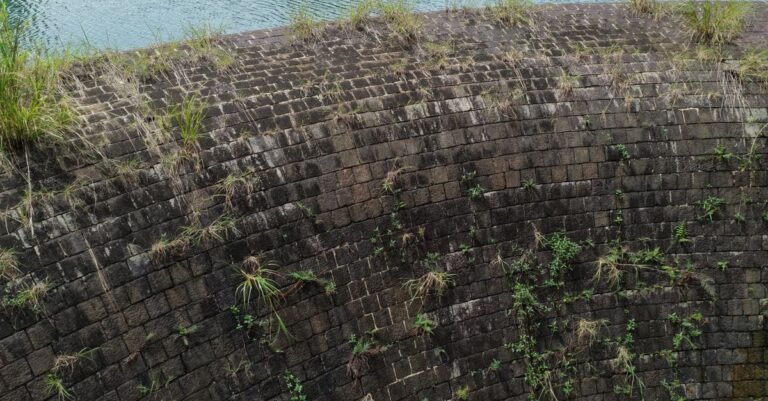
Aerial view of a curved stone retaining wall holding back a planted bank beside a body of water
Blog

Cleaning Retaining Wall Block: 3 Risks and the Safe Method

Cleaning retaining wall block is mostly an ordinary masonry wash with one structural difference: a gravel drain sits a minimum of twelve inches behind the face, and the joint you are tempted to aim at is the front edge of it. Wash the faces, keep the wand square, and the wall will look years younger
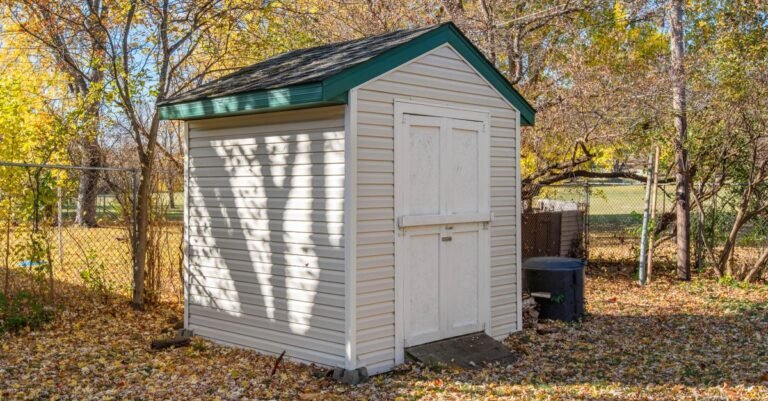
A small backyard storage shed with a shallow pitched roof standing among autumn foliage
Blog

Cleaning a Shed: 3 Risks Hidden in 12mm of Timber

Cleaning a shed is not a timber job or a metal job — it is a building job, and the building is twelve millimetres thick. There is no cavity behind the cladding, no drainage layer, and nothing on the inside face of the board except your lawnmower. So the method is chemistry, a soft brush

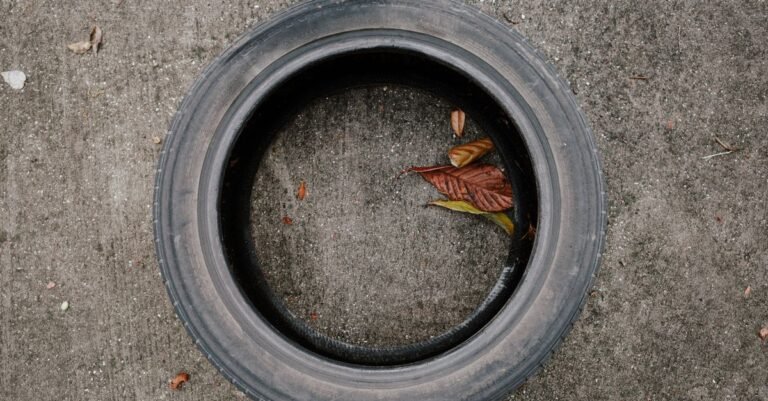
An old rubber tire resting on a bare concrete surface among fallen autumn leaves
Blog

Removing Tire Marks Concrete: 3 Fixes for a Stubborn Stain

Removing tire marks concrete begins with one question, and it is not which degreaser to buy: does your slab have a film on it or not? Bare concrete takes the mark down into its pores. Sealed or coated concrete takes it into the sealer instead, which is a different job with a different worst case

A debris-choked drain outlet with branches wedged across the mouth and water still finding a way past
Blog

Drain Cleaning Jetter Attachment: The Critical 3 Feet

A drain cleaning jetter attachment is a small-bore hose with a nozzle that fires mostly backwards, and RIDGID’s published instruction is to get at least three feet of it into the drain before the machine is started — because the rearward thrust that drives it up the pipe will drive it out of the pipe

The underside of a deep white roof overhang seen from directly below against a blue sky
Blog

Cleaning Soffit and Fascia: 3 Rules That Prevent Rot

Cleaning soffit and fascia is the one exterior job where the surface you are washing is a deliberate hole and the trim under it is a loose metal cover held on by gravity and two laps — so the chemistry goes on with a sprayer and a brush, the rinse runs outward towards the gutter,

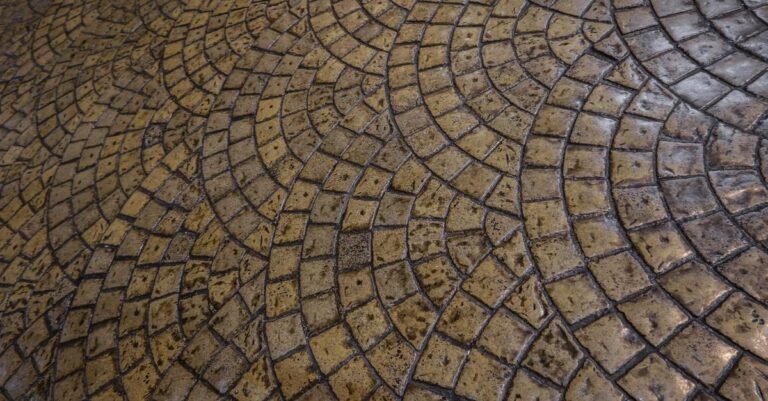
Patterned decorative paving laid in an intricate circular design with deep joints between the units
Blog

Cleaning Stamped Concrete: 3 Layers, 1 Costly Mistake

Cleaning stamped concrete means accepting that you are not cleaning concrete. You are cleaning a film of acrylic sealer, sitting on a colour layer that may be an eighth of an inch deep at best, sitting on a pattern whose low points hold water your slab cannot drain. Use a mild detergent, a brush and

Wide interior view of a livestock barn showing the feed alley and cattle feeding positions along one wall
Blog

Cleaning a Barn: 3 Risks Worse Than the Dirt

Cleaning a barn is three unrelated jobs stacked inside one building — an engine exhaust problem, a biosecurity problem and a four-material problem — and only the last of those three has anything to do with pressure. Every guide to this treats a barn as a large shed with a better roofline, which is understandable,

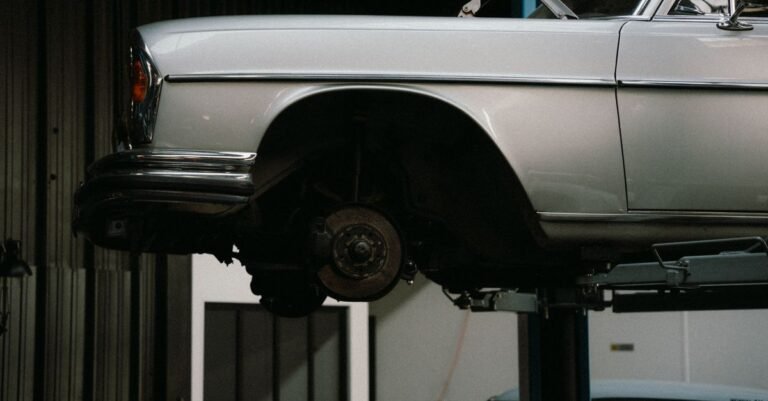
A classic car raised on a two-post workshop lift with its undercarriage, exhaust and suspension fully exposed
Blog

Undercarriage Cleaner Attachment: 4 Risks, 1 Real Job

An undercarriage cleaner attachment is a low trolley carrying three or four fixed jets that you roll under a vehicle to spray upward, and the two documents describing that exact event disagree with each other completely. The attachment makers publish a 1,500 to 4,000 PSI range and recommend 2,500 PSI or higher for best results.

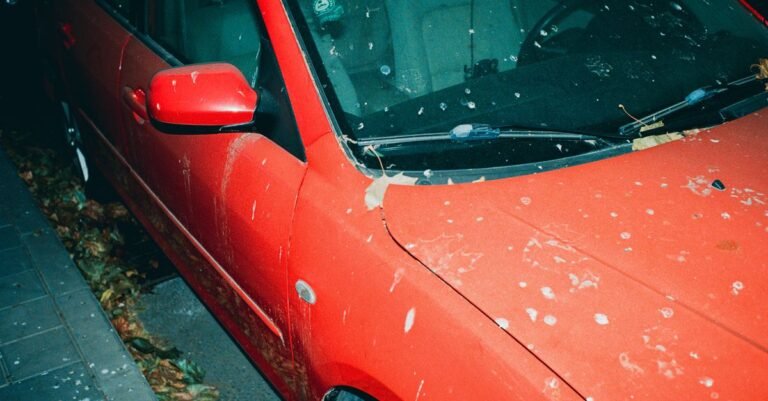
A red car with a film of dust and debris across its bonnet, parked on a leaf-strewn street
Blog

Removing Pollen: 3 Proven Fixes and the Best Week

Removing pollen is not stain removal and it is not degreasing — it is moving a few billion small hard shells off a surface, and because nothing in your garage dissolves them, the whole job comes down to how much water you can get to run across the surface and how good your timing is.

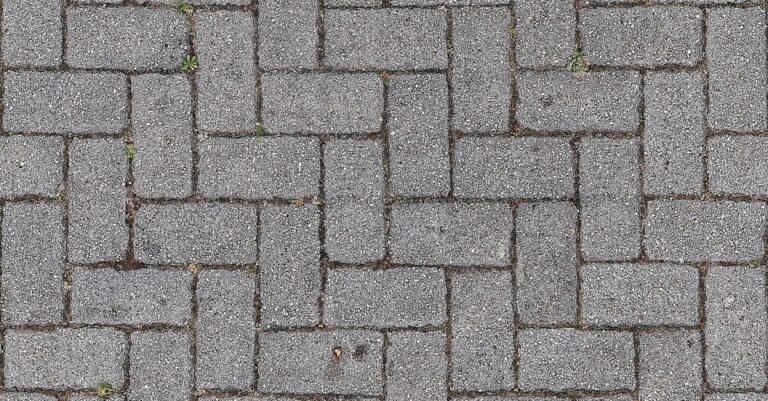
Close-up of interlocking grey concrete pavers with narrow sand-filled joints
Blog

Paver Joint Sand Replacement: 4 Exact Specs, 1 Wrong Bag

Paver joint sand replacement works when the sand matches the joint: a gradation with no more than 5% passing the No. 200 sieve, a largest grain smaller than your narrowest joint, swept in dry, and vibrated down rather than brushed down. Four numbers, none of which is printed on the bag, and one of which

Scroll to Top