Last Updated on September 26, 2026 by Umar Farooq
Two step cleaning is a fleet-washing method that puts an acidic presoak on a vehicle and then an alkaline soap straight on top of it, with no rinse in between, because the reaction where the two solutions meet on the panel is what releases the dirt. Two chemicals, one rinse, and no brush touches the truck.
That last part is the whole commercial point, and it is worth knowing before you decide whether any of this applies to you. Two-step exists because somebody had thirty trailers to wash and two employees, not because it produces a cleaner surface than a brush does.
A warning about the name first, because the search results for it are a mess. In hospitals and commercial kitchens, “two-step cleaning” means clean the surface, then disinfect it — a detergent pass followed by a sanitiser, and nothing to do with pressure washing. In skincare it means an oil cleanser followed by a water-based one. Only in the pressure washing trade does it mean an acid stage and an alkaline stage in sequence, and that is the one this page is about. If you arrived here from a janitorial supplier’s blog, the rest of this will read very strangely.
Road Film Is Two Soils Wearing One Colour
Start with what is actually on a truck after a week on the interstate, because the whole two-stage argument falls out of it.
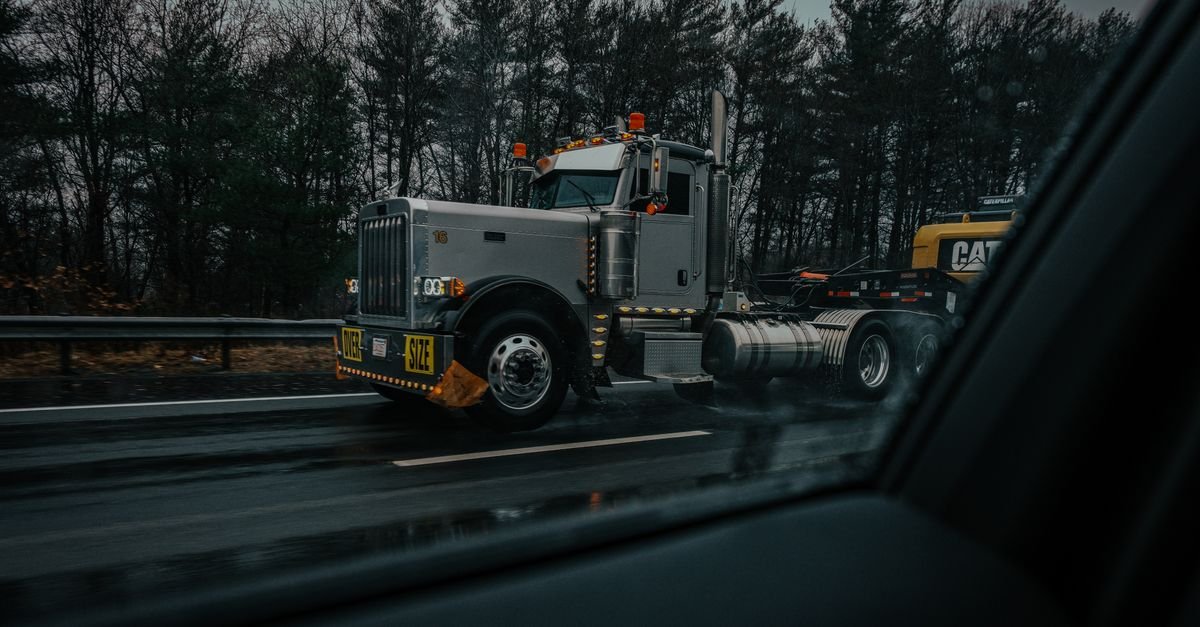
Road film looks like one substance. It is grey, it is even, it covers the lower two-thirds of a trailer, and it does not come off with soap. But it is not one substance. Sky Blue Chemical, a custom chemical manufacturer that has been blending since 1963, describes it as “a bonded layer of dust, exhaust residue, and minerals held together by moisture” (Sky Blue Chemical, Two-Step Truck & Fleet Wash Chemicals). Half of that list is mineral and half of it is organic, and those two halves answer to completely different chemistry.
The mineral half is road salt — sodium, calcium and magnesium chlorides off a winter road — plus calcium and magnesium from hard water, mineral dust, and the aluminium oxide that forms on any bare aluminium left outdoors. None of it contains a carbon chain. An alkaline degreaser can sit on it all afternoon and achieve nothing, because there is no fat to convert into soap.
The organic half is diesel soot, unburnt hydrocarbons, oil mist off the fifth wheel, insects, and — in spring — pollen. The trade journal *Cleaner Times* lists the two-step target as “the oil and grease—and all manner of embedded debris, from carbon to pollen” (Cleaner Times, Two-Step Cleaning, May 2020). An acid does nothing to any of it. Acids attack minerals and metal oxides; a carbon chain is not a mineral.
So one pass at one pH removes one half of the film and leaves the other half behind, holding the first half’s replacement in place. That is the mechanism the whole technique rests on, and it is the same principle the site’s page on the four families of power washing chemicals sets out in full: a family of chemistry attacks one class of molecule and ignores the rest. Two-step is what you get when a soil contains two classes and you refuse to accept half a result.
On the part of the explanation I could not verify. Both manufacturers I read, and every fleet-wash supplier downstream of them, give a second reason: that driving at speed generates friction and static electricity, forming an electrostatic bond that holds the film on “like metal shavings on a magnet,” and that the acid and the alkali between them cancel the charge. I went looking for an independent measurement of that and found the equipment trade and the chemical trade citing each other and nobody else. The charge-reversal half of it is ordinary detergency — a strongly alkaline solution does leave soil particles and a painted surface carrying the same sign of charge, which is why they repel rather than redeposit — but the “static from the highway” half is trade lore as far as I can establish. It does not matter much, because the composition argument needs no help. A soil made of two things needs two chemistries whether or not anything is magnetised.
Why Does Nothing Get Rinsed Between the Two Steps?
This is the question that separates people who have done it from people who have read about it, and it is the thing I got wrong before I read the sources. The intuitive assumption is that a two-stage process has a rinse in the middle. It does not, and the rinse is not merely unnecessary — putting one in deletes the working half of the method.
Sky Blue Chemical is unambiguous: “There is no third rinse product in between. The truck goes from dirty to presoak to soap to high-pressure rinse.” The alkaline soap goes on directly over the acid, while the acid is still wet and still working.
The reason is that the neutralisation is the mechanism. Terry Craycraft of Hydro-Chem Systems, quoted in the *Cleaner Times* piece, puts the outcome plainly: “When you apply a low pH presoak—first step—followed by a high pH detergent—second step—and then rinse, the runoff water coming off the fleets or equipment will be near neutral on the pH scale.” The two solutions meet on the panel, largely cancel each other, and leave as something close to plain water. Rinse in the middle and you have instead run a strong acid across the paintwork on its own, then a strong caustic across it on its own, and asked the drain to deal with both at full strength.
Here are the published numbers for each stage. Sky Blue puts the presoak “typically in the pH 1 to 3 range,” built on “phosphoric acid or blended acid salts, plus wetting agents and sequestrants,” and the soap “commonly in the pH 11 to 13 range,” built on hydroxides and surfactants. Concentrates are applied “somewhere in the 20:1 to 100:1 range.”
The sequence, then, and the direction matters at every stage:
1. Presoak on, bottom to top. Applying upward keeps solution from running down over dry dirt, which is what leaves the pale vertical tracks that show up after the truck dries.
2. Dwell roughly 30 seconds to a couple of minutes, keeping the surface wet the whole time. Sky Blue’s warning here is blunt: “Dried presoak is the number-one cause of spotting and etch.”
3. Soap on, bottom to top, over the wet presoak. Not after a rinse. Not after the acid has dried. Over it, while it is still active.
4. Rinse from the roofline down. The one place you reverse direction, so the spent chemistry and the lifted film leave at the lowest point of the vehicle last.
Work in sections small enough that nothing dries between steps, and stay off hot panels and out of direct sun. A trailer side in August will flash a presoak off before you have walked back for the second wand, and a dried presoak is not a missed step — it is a mark.
Now the part that has to be said out loud, because a two-stage process is exactly where someone gets this fatally wrong. Two-step is the only technique in this trade that deliberately lands an acid and a strong alkali on the same wet surface seconds apart, and it is safe only because of *which* acid and *which* alkali. A phosphoric presoak and a hydroxide-built soap neutralise into salt and water. Sodium hypochlorite and an acid do not — they release chlorine gas, and the alkali in a hypochlorite mix sits in the same pH 11 to 13 band as a two-step soap, which is precisely what makes the substitution look reasonable. Bleach is not the high-pH half of a two-step. It is an oxidiser that happens to be alkaline, and the caustic in it is there to hold the chlorine in solution rather than to clean anything. Take the caustic away with an acid and the chlorine leaves. The full version of that rule, with the source behind it, is in sodium hypochlorite for pressure washing, and the one line to carry away from it is that pH alone will not tell you whether a bottle is safe to put on top of an acid.
Read the Presoak Label, Then Read Its Safety Sheet
The alkaline stage of a two-step is an unremarkable industrial degreaser. The acid stage is where the genuine hazard lives, and the product name will not tell you what is in it.
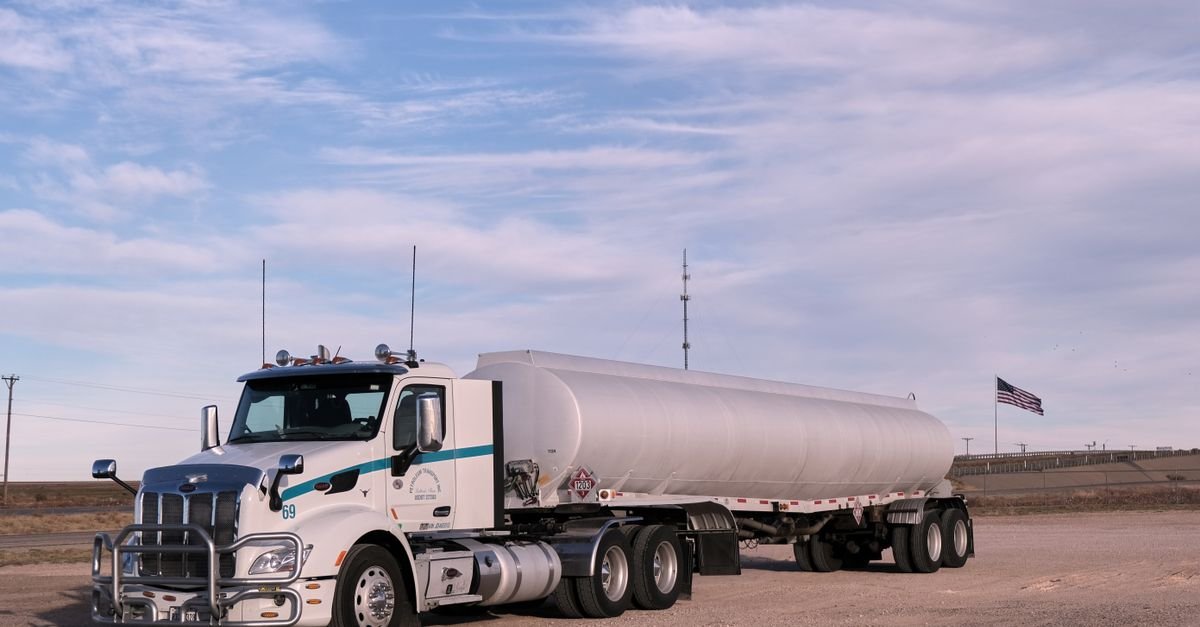
“Aluminum brightener” is a marketing category, not a chemistry. Two bottles carrying that phrase can be a mild buffered phosphoric blend and a fluoride-bearing acid that will take the frosting off glass, and nothing on the front of either one distinguishes them.
Fluoride is the reason this matters. Hydrofluoric acid was the classic aluminium-brightening acid in vehicle wash presoaks, and it is not an ordinary corrosive — it is a systemic poison that binds calcium and magnesium in the body. A study of Washington State injury records found one fatal ingestion and 48 chemical burns from hydrofluoric acid associated with car and truck washing between 2001 and 2013, with 24 of the 49 cases occurring in the vehicle wash sector itself. Seven workers were hospitalised; two needed surgery, including burn debridement, a skin graft and an escharotomy. The fatality was a 38-year-old truck wash worker in 2012, and the product involved was labelled with hydrofluoric acid under 12% and sulfuric acid under 20% (Occupational Hydrofluoric Acid Injury from Car and Truck Washing, Washington State, 2001–2013).
The sentence from that report I have not been able to stop thinking about is the one explaining why the dilute stuff is the dangerous stuff. Hydrofluoric acid “is insidiously toxic at the low concentrations (<20%) used in vehicle washing, because no overt corrosive skin burn is present at these concentrations and no initial pain alerts the worker to the exposure." Tissue damage carries on progressing for up to 24 hours. There is nothing to feel and nothing to see, and the treatment is calcium or magnesium applied topically and injected under the skin — which is why the report's other finding lands so hard: no injured worker received calcium gluconate at their workplace. Of the seven hospitalised cases, at least four involved protective equipment that had already failed: cotton gloves, gloves with holes in them, no gloves at all, and solution that ran down inside the equipment that was meant to stop it.
Ammonium bifluoride is the same problem wearing a friendlier name. Two of the products in that case series contained it, and it “dissociates into HF when dissolved in water and therefore has similar toxicity.” It is not a fluoride-free alternative. It is hydrofluoric acid that has not been mixed yet.
Where the trade disagrees with itself, and it is worth reporting. Sky Blue Chemical says “the industry has largely moved to safer blended acids” and that it builds its own presoaks “around those safer acid systems, not legacy HF.” *Cleaner Times* in 2020 was more careful, writing that hydrofluoric acid “is nearly out of use in the cleaning sphere.” And at least one chemical manufacturer currently sells both a hydrofluoric presoak and an ammonium bifluoride one, side by side, as different tools for different jobs. All three statements can be true at once, and what they add up to is that you cannot assume a presoak is fluoride-free because the category has moved on. Read section 3 of the safety data sheet. If it lists hydrofluoric acid or ammonium bifluoride, that job needs calcium gluconate gel physically present before anyone opens the jug, and a homeowner washing one pickup on a Saturday has no business owning either bottle.
The second, duller risk in the acid stage is the one that costs money rather than tissue. A brightening presoak works by etching, and etching is a feature on dull oxidised metal and a defect on bright metal. Sky Blue’s warning is specific: leave a brightener on polished aluminium, let it dry, or over-concentrate it, “and you get white haze, frosting, or permanent etch.” Polished fuel tanks and mirror-finish wheels want the mild buffered version every time. The frosting does not come back off, and the difference between the two bottles is invisible until it is not.
Fleet Metal, Not Your Driveway
Here is the opinion, and it is the one thing on this page I would argue about. Two-step is a labour-substitution technique, and if you are washing one vehicle you have no labour to substitute. The product being sold is not a cleaner surface. It is fewer people.
The trade is refreshingly open about this. Craycraft’s figure in *Cleaner Times* is that labour expense drops by 40 to 70 percent compared with brushing. Daniel Hopson, a mobile contractor quoted in the same piece, gets there faster: “there has never been a truer saying than ‘a good soap is cheaper than good help.’ So honestly, two-stepping is faster and cheaper because it decreases the amount of brushing that needs to be done.” Asked whether anyone outside fleet work uses the method, he says he is not sure anybody does. That is a trade technique describing itself accurately.
So if you have one pickup, a hose and an afternoon, two-step buys you nothing you cannot get from one alkaline soap, a sponge and the ten minutes you were going to spend anyway. What it costs you is two concentrates, a proportioner to meter them, and a safety data sheet you now need to read properly.
And on masonry it does not merely fail to help — the mechanism stops working, for a reason worth understanding. The near-neutral runoff that makes two-step gentle depends on both solutions staying on the face of the surface and leaving together. A painted steel panel is closed; nothing soaks in, so the two liquids have nowhere to be except in contact with each other. Concrete is open. Dry concrete pulls an acid straight down into its pores, which is exactly why the masonry trade’s instruction is to pre-wet before any acid touches the slab — and a fleet presoak is designed to do its own wetting, so nobody pre-wets anything. Put a two-step sequence on a driveway and the acid goes where the alkaline stage will never reach it. The slab keeps it, and carries on being quietly dissolved after you have coiled the hose.
Which is why this site’s rule for a mixed slab is the exact reverse of the fleet sequence: alkaline first, acid last, alone, and on a different day. The full ordering table for what can follow what on concrete is worth reading before any multi-chemical job on masonry, because it is built around the gas rather than around convenience. The two rules are not in conflict. They are two different substrates, and the surface a two-step is designed for is the one that cannot absorb either half of it.
There is one place a two-step sequence genuinely earns its keep for someone who does not run a fleet, and it is winter. An acidic presoak dissolves the chloride crust that brine de-icers leave on a frame, which an alkaline soap cannot do at all, and the critical part is the rinse afterwards — leftover chloride goes on attacking steel long after the visible grey has gone, so it has to be flushed out of seams and frame rails rather than merely rinsed off panels. The rest of that job, including why flow matters more than pressure on a vehicle that size, is in pressure washing a truck.
FAQ
What is two step cleaning in pressure washing?
It is a touchless vehicle-washing method: an acidic presoak at roughly pH 1 to 3 goes on first, a high-pH alkaline soap at roughly pH 11 to 13 goes on directly over it while it is still wet, and a high-pressure rinse takes everything off. The reaction between the two on the surface replaces the mechanical work a brush would otherwise do. It is also called twin-chem.
Do you rinse between step one and step two?
No, and this is the most commonly misunderstood part of it. The second product is applied directly on top of the first without rinsing, because the neutralisation where they meet is the mechanism. Rinsing in between removes that reaction and leaves you running a strong acid and a strong caustic across the paint separately, at full strength.
Which goes first, the acid or the alkaline?
The acid. It wets the surface, dissolves the mineral and salt component that binds road film in place, and leaves the surface primed for the second stage. Running it the other way round wastes the acid on soil the alkaline soap has already lifted, and gives up the near-neutral runoff that the correct order produces.
Can I use bleach as the alkaline step?
No. Sodium hypochlorite releases chlorine gas on contact with acids, and a two-step is a process that deliberately lands an alkali on unrinsed acid — which makes it about the worst possible place to make that substitution. A hypochlorite mix sits in the same pH band as a two-step soap, so the pH on the label tells you nothing about whether it is safe here. Use a detergent sold as a two-step soap.
Is two step cleaning safe on aluminium?
It depends entirely on which presoak you bought. A mild buffered polish-safe presoak strips film without etching and is fine on bright aluminium. An aggressive brightening presoak works *by* etching, and on polished metal that produces white haze, frosting or permanent etch — particularly if it dries or is mixed too strong. Match the product to the finish and rinse thoroughly.
Can I two-step my driveway or patio?
Not usefully, and not safely. The method is built for a surface that absorbs nothing, so both solutions stay on the face and neutralise each other. Concrete is porous, so the acid goes into the pores where the alkaline stage cannot reach it and where the rinse struggles to retrieve it. On masonry the correct sequence is alkaline first, acid last and alone, on a different day.
How long should the presoak dwell?
Roughly 30 seconds to a couple of minutes, and the surface must stay wet for all of it. A presoak that dries is the leading cause of spotting and etch, and on a sun-warmed panel you have far less time than the range suggests. Work sections small enough to finish before the leading edge goes matte.
Two Step Cleaning Belongs on Metal, Not Masonry
The sequence is four moves, and the third one is where nearly everybody goes wrong: acid on bottom to top, let it work for a minute or two without drying, soap on bottom to top *over the wet acid*, then pressure from the roofline down. No rinse in the middle. The rinse in the middle is the mistake, not the missing step.
The single decision this whole page reduces to is whether you are washing a fleet. If you are, two-step is the trade’s answer to a labour problem and the numbers behind it are real. If you are washing one vehicle, you are buying two concentrates and a fluoride safety data sheet to save labour you were never paying for — and if you are pointing any of it at a driveway, the technique’s own mechanism is working against you, because the surface can absorb the half of it you most need to get back off.
One last thing about the presoak, because it is the part of this that has an actual body count attached. The dangerous version of that bottle gives you nothing to go on — no sting, no visible burn, nothing at all to look at for the first several hours. Read what is in it before you decide you need it.