Last Updated on September 25, 2026 by Umar Farooq
Pressure washer cavitation is what happens when the pump cannot fill itself fast enough, so the water inside it boils at room temperature and the resulting vapour bubbles collapse against the metal — thousands of collapses a second, all landing on the same few square millimetres of valve seat. It is not a noise the machine makes while something else is wrong. The noise is the damage, happening now.
That is the part almost every troubleshooting list gets backwards. Cavitation sits at the bottom of those lists as a footnote, somewhere after “check the nozzle,” as though it were a symptom you would get round to. It is the only common pressure washer fault that charges you by the second.
One boundary before we start, because two pages on this site keep meeting here: a machine that rises and falls on a clean rhythm is surging, which is a control loop losing its damping and is usually the unloader; cavitation is the pump eating itself on the inlet side, and this page owns the phenomenon and the wreckage it leaves.
Your Pump Is Boiling Water at Room Temperature
A pressure washer pump is a positive displacement machine. Three plungers take turns retracting, and each retraction opens a chamber that has to be filled with water in a few thousandths of a second. The pump does not suck water in so much as get out of the way and wait for atmospheric pressure to push some in.
When the supply cannot keep up, the pressure inside that chamber falls. Fall far enough and water does what every liquid does at low enough pressure: it boils. Fluke puts it plainly — “If the pressure inside the pump drops below the liquid’s vapor pressure, the liquid begins to boil, even at ambient temperatures.” No heat required. Cold tap water on a cold morning will do it.
Then the plunger reverses. The chamber that was at a partial vacuum a moment ago goes to 2,500 PSI, and every vapour bubble in it stops being a bubble instantly. That collapse is not gentle. Fluke’s description of the result is the one to hold on to: “These repeated impacts cause pitting, a type of surface erosion that starts small but worsens over time.” Each collapse removes an amount of metal too small to see. A pump at 3,400 RPM gives you a great many of them per minute.
Here is the number that reframes the whole problem. Cat Pumps rates plunger pumps to a maximum negative suction of -5 PSI, which it puts at 11.5 feet of water, with piston pumps at -8.5 PSI, around 20 feet. Five PSI is the entire suction budget of a plunger pump — less than a tenth of what your tap delivers, and small enough that a folded inlet hose spends it in one go.
What Cavitation Sounds and Feels Like on a Running Machine
The classic description is not “rattling” and it is not “knocking.” It is gravel. Fluke’s phrasing matches what people write on forums word for word: the noise is “often described as the sound of gravel rattling around in the pump housing.” Loose, granular, irregular, and coming from the pump head rather than the engine.
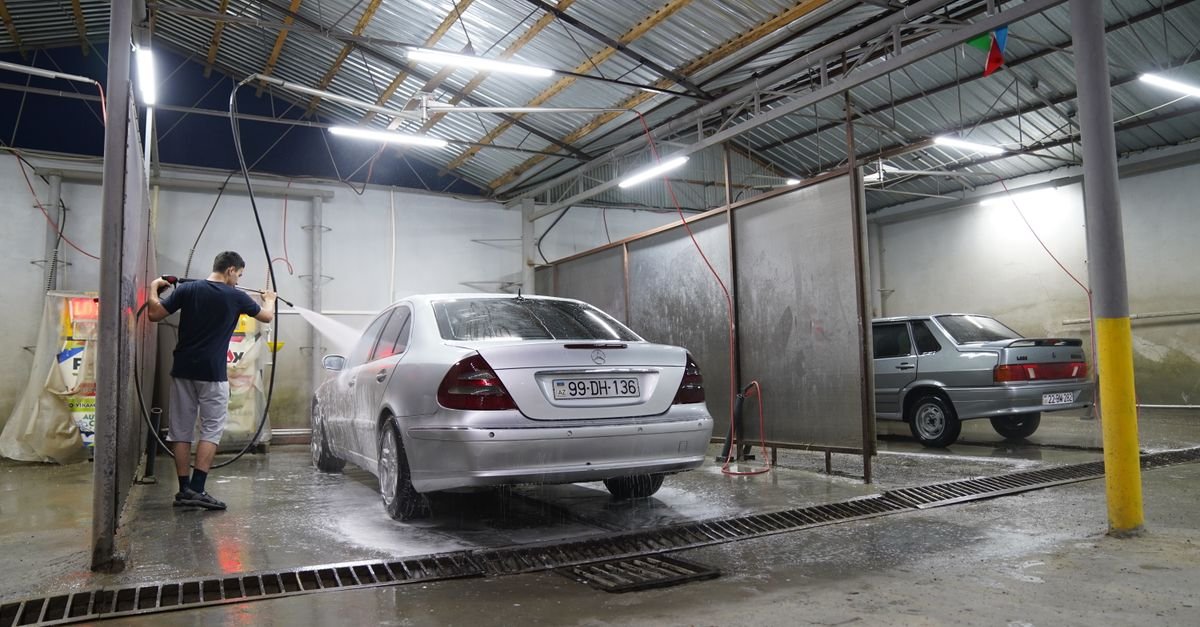
Three things separate it from the other noises a machine makes.
- It is ragged, not rhythmic. An unloader cycling gives you a beat you could tap your foot to. Cavitation staggers. If you can count it, it is probably not cavitation.
- It answers to the tap. Open the supply fully, or swap to a fatter hose, and a cavitating pump changes its mind within seconds. A knock from worn discharge valves does not care what you do at the other end.
- You feel it in the wand, not the frame. The collapses travel down the high-pressure line as a fine, hard buzz — small, fast and unpleasant, different from the slow stiffen-and-relax of a hydraulic surge.
Electric machines make this harder to hear, not easier. There is no engine note to change, so the only tell is the pump itself and a spray pattern that keeps going soft. Gas machines at least hand you a second signal: an engine that keeps finding and losing its load.
The other symptom is the one people report first and connect last. Cavitating pumps lose output. Vapour occupies volume that water should have occupied, so the pump moves less water per stroke, pressure sags, and the reader concludes the machine is tired. It is not tired yet. It is being damaged, and the weak spray is the receipt.
Eight Ways the Inlet Stops Delivering, Ranked by Likelihood
Everything on this list does the same thing: it puts the inlet chamber below the vapour pressure of the water. They are ordered by how often they are the answer, not by how dramatic they sound.
1. A kinked or crushed inlet hose. The commonest cause and the least respected one, because it fixes itself the moment you walk the hose and does not leave a mark. A hose folded behind a wheel, trapped under the machine, or looped tight round a planter is a closed valve with a garden hose attached to it.
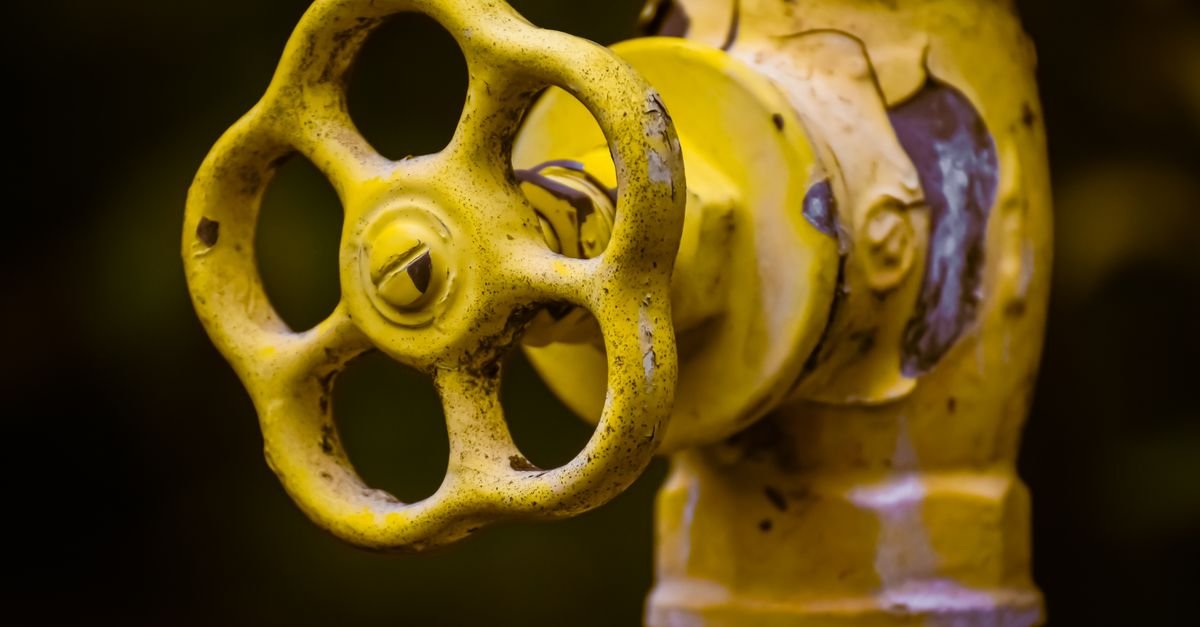
2. A tap that is not fully open, or a supply that cannot meet the machine’s rated GPM. Half a turn short feels like plenty of water in a bucket and is not enough for a pump moving four gallons a minute. Time a five-gallon fill off the hose you actually use before blaming anything inside the machine.
3. A clogged inlet screen. The small plastic mesh in the pump’s water inlet catches grit so the valves do not have to, and nobody looks at it until something else has failed. Cat Pumps’ cavitation troubleshooting sheet recommends 80 mesh for fresh water, clear filter bowls so build-up is visible, and regular cleaning, precisely because a blocked filter restricts flow and causes cavitation.
4. An undersized hose bore. A half-inch hose feeding a machine that wants five-eighths starves it at the far end of a long run even with the tap wide open. The full argument for bore over brand is in the piece on running a pressure washer from a garden hose.
5. Too long a run, too many bends, or a restrictive quick-connect. Every elbow, coupler and narrow-throat fitting is a pressure drop. Cat Pumps asks for inlet plumbing one size larger than the pump inlet fitting, swept rather than tight bends, and a straight section before the inlet. Consumer machines get a brass quick-connect with a bore narrower than the hose it joins, which is the one restriction most people install on purpose.
6. Drawing from a tank sitting below the pump. Covered in its own section below, because the numbers are specific and the mistake is expensive.
7. Hot feed water, or long spells in bypass. Warm water needs less of a pressure drop to flash into vapour. Also covered below.
8. Running dry. No water at all is not a special case of cavitation, it is the limiting case — every chamber fills with vapour every stroke, and the plungers heat up with nothing to carry the heat away.
Notice what is not on this list: the pump. In every one of these the pump is doing exactly what it was built to do, at the only speed it has, into conditions that make that impossible.
Can You Feed a Pressure Washer From a Tank on the Ground?
Usually not, and this is where good intentions destroy pumps. A tank, a rain butt or an IBC feels like a generous supply because it holds a lot of water. Volume is not the problem. Height is.
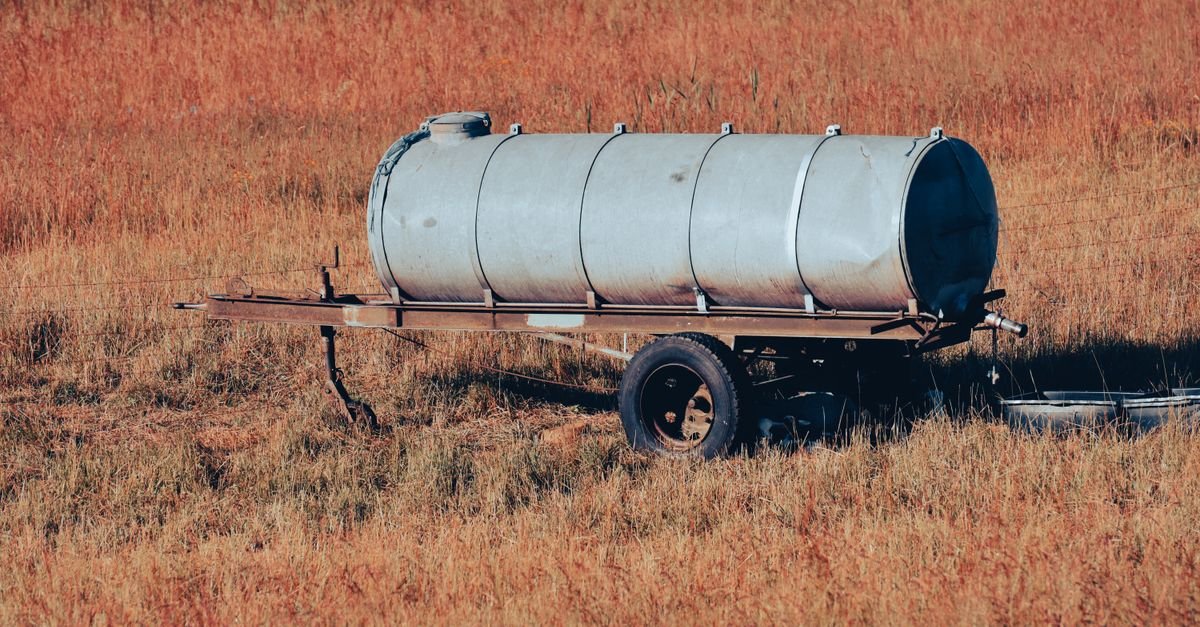
A plunger pump’s whole suction allowance is that -5 PSI. Lift the water more than about 11.5 feet and you are already in vapour. Long before that, a screen, two elbows and a quick-connect will have spent the budget for you. And most homeowner machines are worse off than a commercial plunger pump: their axial wobble-plate pumps are not rated to lift at all and expect a flooded inlet as a condition of working.
If you must run from a tank, the rules are geometric rather than clever.
- Put the tank outlet above the pump inlet so gravity does the filling. A tank on a trailer bed beats a tank on the ground every time.
- Cat Pumps sizes supply tanks at 6 to 10 times the system’s GPM with baffles — for a 4 GPM machine that is a 24 to 40 gallon tank, not a watering can, and the baffles are there to stop the outlet drawing in the air your returning bypass water stirred up.
- Use short, fat, full-bore plumbing. A one-inch line into a three-quarter-inch inlet, a full-port valve, and no tight elbows.
- If the machine will not prime in ten seconds with the tap side open and the trigger held, stop and fix the geometry. Cranking it until it catches is thirty seconds of cavitation you paid for voluntarily.
Hot Water Raises the Vapour Pressure to Meet You
Everything above assumes cold water. Warm the supply and the margin shrinks from both ends — the pressure in the chamber still drops the same amount, but the pressure at which the water boils has climbed to meet it.
Cat Pumps publishes this as a chart rather than a warning, which makes it far more useful. Tech Bulletin 002 opens with the mechanism — “as the temperature of the pumped water increases, the likelihood of vaporization and cavitation increases” — and then gives the threshold: pressurise the inlet above 130°F. Below that a plunger pump can live on a slightly negative inlet. Above it, it needs to be fed under positive pressure or it will vaporise, and the bulletin’s other remedies are the same ones from the list above, written by people who design pumps for a living: bigger inlet line, lower RPM, a baffled tank.
There is a second ceiling in the same document, and it arrives earlier. The standard NBR and EPDM seals fitted to consumer pumps are rated to 100% of maximum RPM up to 120°F and 0% by 160°F. So on a cold-water machine, hot supply water takes out the seals somewhere around the point it starts cavitating the valves. Two failure modes, one bad idea.
The version of this that catches people is self-inflicted. A machine parked in bypass with the trigger released is recirculating the same water through its own pump, and that water climbs. This is the direct link between a pressure washer overheating and one that starts to sound gravelly twenty minutes into a job: the bypass made the hot water, and the hot water made the cavitation.
Craters, Not Wear: Reading Pressure Washer Cavitation Damage
Ordinary wear is smooth. Parts that have simply done a lot of work come out polished, slightly undersized, uniform. Cavitation does not do smooth. It removes metal in craters, because each collapse is a discrete event at a discrete point, and the surface ends up looking as though someone took a fine sandblaster to a mirror.
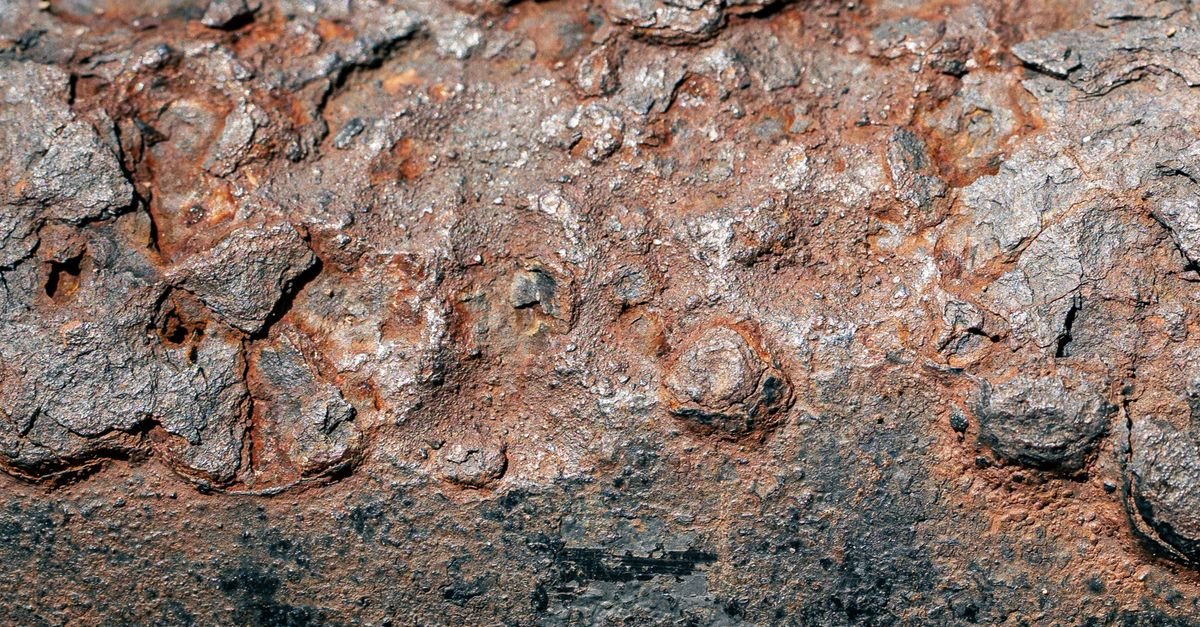
The damage lands in a predictable order, because the bubbles collapse where the pressure rises fastest:
- Inlet valve seats first. The bubbles arrive with the water and the seat is the first hard surface they meet on re-pressurisation. This is why a cavitating machine loses pressure before it loses anything else.
- Then the valve poppets and springs, which no longer land on a flat face and start to cock, hammer and wear off-centre.
- Then the chamber walls and the plunger noses, in the worst cases, along with any ceramic that happens to be in the collapse zone.
Cat Pumps’ own cavitation troubleshooting sheet illustrates the point with photographs of a cratered valve and an eroded ceramic plunger, and it lists nine system conditions as causes. Not one of them is the pump.
There is a nasty second-order effect here. An eroded seat no longer seals, so the pump loses efficiency, so it spends more of its time in bypass at whatever pressure it can still make, so the water gets hotter, so it cavitates more readily. The fault feeds itself, which is why the noise that was intermittent last month is constant this month.
The Pump Does Not Come All the Way Back
A valve seat is not a wear surface. It is a sealing geometry, machined flat and lapped so a poppet can land on it and close against 3,000 PSI. Once cavitation has taken craters out of that face, the geometry is gone, and a brand new valve dropped onto a cratered seat leaks the moment it is torqued down. The distinction between a seat worth rebuilding and a manifold that is finished is covered in repairing a pressure washer pump, and it is the single most common reason a valve kit does not fix the machine it was bought for.
So a pump that cavitated through one season does not recover. It gets better when you fix the inlet — the noise goes, the pressure comes partly back — and it settles at a new, lower ceiling, and it never returns to the figure on the box. Owners usually describe that as the machine getting old. It did not get old. It got machined, from the inside, using its own water.
Which brings me to the one opinion I will push hard on this page. Every other fault in pressure washer troubleshooting waits for you. A clogged nozzle, a perished O-ring, a tired unloader, a blocked air filter — all of them are exactly as bad in an hour as they are now, and you can reasonably finish the patio before investigating. Cavitation does not wait, because the mechanism and the damage are the same event. A plunger pump with a five PSI suction budget, running at a few thousand strokes a minute, is removing metal on every one of those strokes for as long as the rattle continues. If you can hear gravel, the correct response is to let go of the trigger and kill the engine before you finish reading this paragraph, and then go and find the kink. The driveway will still be there. The valve seats are a wasting asset.
FAQ
What does cavitation sound like in a pressure washer?
Like gravel or small stones rattling loose inside the pump head, ragged rather than rhythmic, and coming from the pump rather than the engine. Some people hear it as a hard knocking. The distinguishing test is that it responds to the water supply: open the tap fully or remove a kink and the noise changes within a few seconds, which a worn discharge valve will not do.
Is cavitation the same as air in the pump?
No, though they arrive together and feel similar. Air in the pump is actual air pulled in through a loose fitting or left over from start-up, and it can be bled out. Cavitation is water vapour created inside the pump by low pressure, and it appears and disappears in the same stroke. Air makes a pump spit and stagger. Cavitation erodes metal. A leaking inlet fitting can produce both at once, which is why the checks overlap.
How long does it take for cavitation to damage a pressure washer pump?
Damage begins immediately, because every collapse removes metal. What varies is how long it takes to become measurable. A few seconds while you free a kink will not show up. An afternoon of running on a half-open tap will cost real life, and a season of ignoring the noise is enough to crater the inlet valve seats past the point a valve kit fixes.
Can cavitation damage be repaired?
Partly, and only on a serviceable pump. Eroded valves can be replaced, but if the seats they land on are cratered, a new valve will not seal on them and the manifold is the part that has failed. On a sealed axial wobble-plate pump there is no part number to buy at all, so the pump is the machine. Fixing the inlet is what stops it getting worse; nothing puts the metal back.
Will a long garden hose cause cavitation?
It can, and it stacks with everything else. Length costs pressure, and a long run in a narrow bore costs much more than a long run in a fat one. A 100-foot half-inch hose feeding a 4 GPM machine is a genuine risk; the same length in five-eighths or three-quarter bore usually is not. Add a tight kink or a narrow quick-connect and a hose that was marginal becomes a cause.
Does running a pressure washer in bypass cause cavitation?
Indirectly, and it is one of the more common routes into it. With the trigger released the pump recirculates the same water and heats it, and warmer water flashes to vapour at a smaller pressure drop. Cat Pumps asks for the inlet to be pressurised above 130°F for that reason. Shutting the engine off during breaks removes the problem entirely and costs nothing.
Can cavitation happen on an electric pressure washer?
Yes, and it is harder to notice. Electric machines have no engine note to change and no governor to hunt, so the only signals are the pump’s own noise and a spray that keeps going soft. The causes are identical — kinked hose, closed tap, blocked screen, undersized bore. The consequence is usually worse, because most electric machines use a sealed pump that cannot be rebuilt.
Fix the Inlet, Not the Noise
Almost everything written about this problem ends with a list of parts. It should end with a walk. Follow the hose from the tap to the machine, open the tap all the way, pull the inlet screen and hold it up to the light, and ask whether anything between the water and the pump is narrower than the pump’s own inlet. Eight times out of ten the answer is sitting in plain view, folded under a wheel.
And if the rattle has been there a while, you already know what I am going to say about whether the pump will be the same afterwards. It will not. Fix the inlet anyway — the seats you still have are worth keeping.