Last Updated on September 25, 2026 by Umar Farooq
A pressure washer leaking oil is leaking from one of five places, and which one decides whether you are buying a three-dollar cap, a seal kit, or a whole new pump. The oil on the floor is not the fault. It is the fault’s return address.
That distinction matters more here than on almost any other machine in the garage, because a pressure washer carries two separate oil reservoirs bolted about four inches apart. One belongs to the engine. One belongs to the pump. They use different oil, fail for different reasons, and cost different amounts of money. And because oil runs downhill, both of them end up dripping off the same low corner of the frame, where they look identical.
So the first job is not fixing anything. It is finding out which reservoir is losing.
Work Out Where the Oil Is Actually Coming From
Oil is thin, it wicks along castings, and it collects grit within a day. By the time you notice a puddle, the machine has a film over half its underside and the lowest wet point is almost never the source. Everything useful comes from starting clean.
1. Degrease and dry it. Engine off, spark plug lead off, a rag and any citrus degreaser. Get the pump body, the coupling between pump and engine, and the underside of the frame properly dry.
2. Put cardboard under it. A flattened box, not newspaper. Cardboard holds a drip where it lands instead of spreading it.
3. Run it ten minutes under load, trigger open, spraying at something forgiving. Cold oil leaks less than hot oil, and a leak that only shows at temperature is still a leak.
4. Shut down and look immediately, while the wet trail is fresh and unbroken.
5. Follow the trail up, not down. The highest wet point on the machine is the source. The lowest is just gravity.
Then place the source against this list, because location is the diagnosis:
| Where the oil appears | What it usually is | What it costs you |
| Around the pump’s fill cap or dipstick | Overfilled crankcase, or a shipping plug never swapped | A drain pan, or a few dollars |
| At the seam where the pump’s front section meets the crankcase | Worn plunger rod seals | Seal kit, on a triplex only |
| Around the bearing cover, or between pump and engine | Crankshaft oil seal, possibly the bearing behind it | Seal, or a pump |
| From the middle of a casting, with no seam nearby | A cracked housing, usually freeze damage | A new pump |
| From the engine’s dipstick tube, drain plug or gasket line | Engine oil, a different unit entirely | Usually cheap, sometimes a gasket |
One honest caveat on that table: “between the pump and the engine” is the single most common way people describe this fault and the least useful, because it is exactly where an engine leak and a pump leak both arrive. That is the next section’s whole job.
Engine Oil or Pump Oil: Two Reservoirs, Two Bills
Pull both dipsticks. That is the answer in most cases, and it takes ninety seconds. Whichever reservoir reads low against its marks is the one that is leaking — and if the pump has no dipstick at all, you have just learned something important about what repairs are available to you.
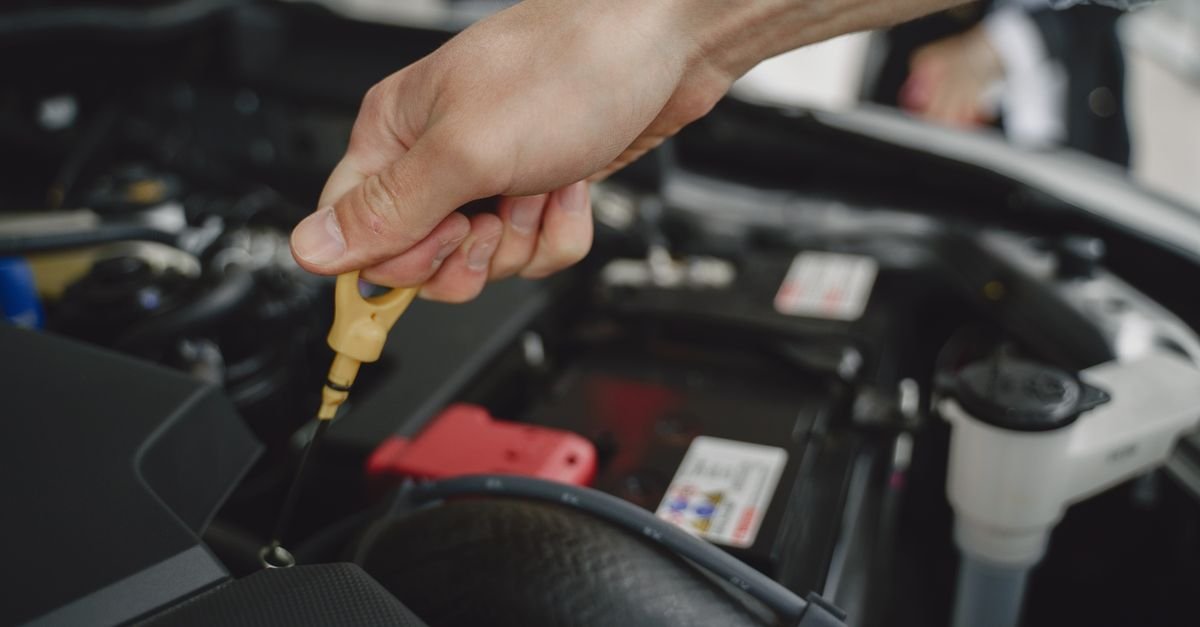
If both levels look fine and you still have a puddle, the tells are these:
- Colour and smell. Engine oil in a machine that has done real hours goes dark and smells faintly of combustion. Pump oil stays honey-coloured, because nothing is burning inside a crankcase that contains a crank and not much else. This is a weak test on a machine used fifteen hours a year, where the engine oil is still pale. Use it as a tiebreaker, not a verdict.
- Height. On a gas machine the engine sits above and behind the pump. Oil from the engine’s dipstick tube, drain plug or valve cover runs back and down across the pump. Oil from the pump’s crankshaft seal sits at the coupling and runs straight down the front of the engine, which is why it gets blamed on the engine so often.
- Electric machines. Most homeowner electrics have no engine oil at all. Any oil on the floor came from the pump, full stop.
There is one gas-engine case that looks like a leak and is not. If the engine oil level has gone *up*, the oil runs thin, and the dipstick smells of petrol, that is fuel getting into the crankcase past a carburettor float that is stuck open. Briggs & Stratton lists tipping the engine as one of the causes, which is a real hazard on a machine people tilt to get it into the back of a car (Briggs & Stratton, fuel in engine oil). The crankcase then holds more liquid than it was designed to and pushes the excess past the nearest seal. Replacing that seal fixes nothing. Fix the carburettor, drain the contaminated oil, refill properly.
Worth separating from all of this: oil going *out* is this article. Water getting *in*, which turns pump oil the colour of milky coffee, is a different fault with a different cause and a different urgency.
Worn Crank Seals Are the Common Answer
If the machine has a few seasons on it and the oil is arriving at a seam rather than a cap, you are almost certainly looking at a seal. There are more of them in there than most people expect. Cat Pumps, describing its own triplex crankcases, counts three plunger rod seals plus two crankshaft oil seals, and its troubleshooting puts the diagnosis exactly where the oil appears: oil between the crankcase and the manifold means worn seals, oil around the bearing cover means the seal is gone and the bearing behind it is next (Cat Pumps, oil leak troubleshooting).
The mechanism is unglamorous. A crankshaft seal is a rubber lip pressed against a turning shaft by a small garter spring, and it holds oil in by squeezing a moving part with an accuracy of a few thousandths of an inch. Heat hardens the rubber, grit scores the shaft, and the lip stops following the surface. So the failure is gradual: a shine, then a film, then a drip that only shows when hot, then a puddle that shows cold. If you have been wiping the same spot for a month and telling yourself it is condensation, it is a seal.
Before you order a kit, rule out the two cheap faults that produce identical oil in an almost identical place. Cat Pumps names both: a drain plug that has worked loose under vibration, and a sight glass that is loose or cracked. Both are five minutes and a spanner, and both regularly get diagnosed as a dying pump by people who never touched them. Check the plug’s sealing washer while you are there — an aluminium crush washer only crushes once.
Then check what kind of pump you own, because that decides whether “replace the seals” is even a sentence that applies. Triplex plunger pumps have published seal kits and a manifold designed to come off. Axial cam and wobble-plate pumps, which are what most homeowner machines carry, are assembled sealed and sold as complete units. That is the fork in the road, and the next-to-last section is where it leads.
Overfilled Crankcase, Oil Out the Vent
This is the cause that costs nothing and gets diagnosed as a seal failure more than any other, and the manufacturers say so themselves. Cat Pumps puts overfilling on its oil-leak list in plain words: too much oil “can result in oil spilling or spurting through the vented filler cap or building internal pressure.”
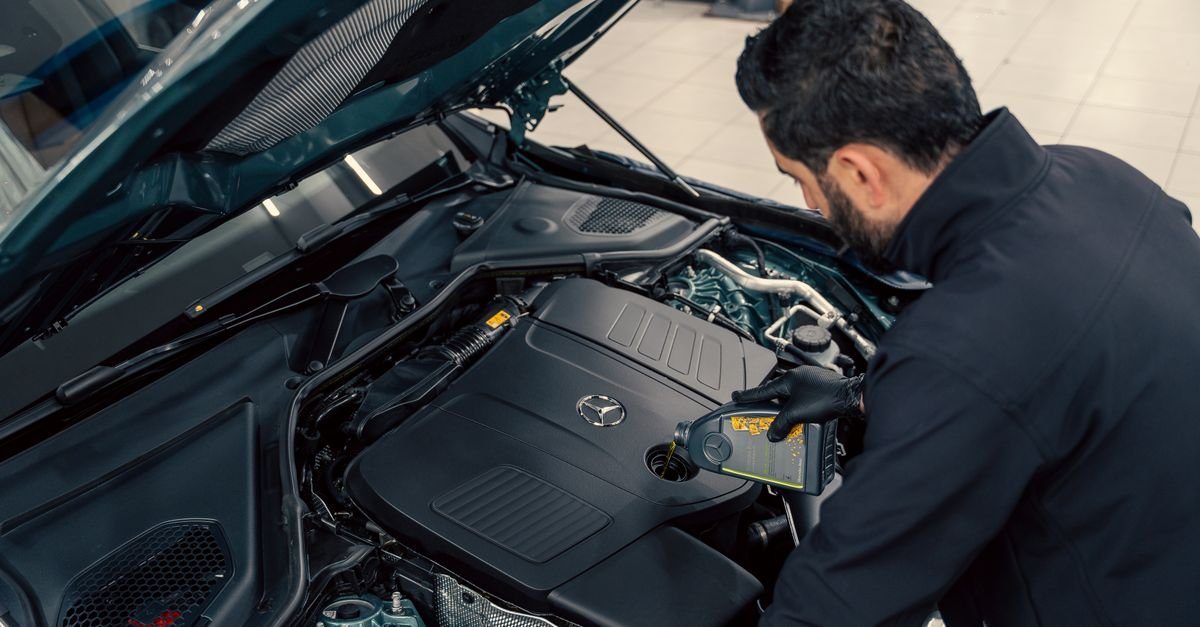
A crankcase needs air space above the oil. The oil warms, expands, and the case breathes out through a vent in the fill cap. Fill it to the brim and the expanding oil takes the vent first and the crank seals second, because those are the only two exits it has. The tell is clean: oil around the fill cap and the top of the pump, dry castings below it, and a level that reads at or above the upper mark while the machine is stone cold.
The fix is a drain pan and a steady hand. Take it back to the middle of the sight glass, or between the marks on the dipstick, and leave it there. If you want the grade, the interval and the reason the level matters, the pump oil article covers all three.
The part I find genuinely funny is the causal chain. The most frequently cited cause of pressure washer seal failure in manufacturer troubleshooting is not pressure, not hours, not heat. It is a funnel.
Did Anyone Swap the Shipping Plug?
If the machine is new — first season, possibly first weekend — and it has been leaving oil since day one, stop looking for a worn part. Nothing has worn yet.
Pumps are shipped with a solid plug screwed into the oil fill hole so the oil stays inside during transit. The vented cap or vented dipstick that the pump actually runs with is in the parts bag, taped to the frame, or in the box under the manual. Leave the solid plug in and the crankcase cannot vent. Pressure builds the moment the oil warms, and it leaves the only way a sealed case allows: past the crankshaft seals, on a machine with roughly zero hours on it.
Checking takes ten seconds. Unscrew the cap on top of the pump and look at it. A shipping plug is solid plastic, usually with no dipstick blade hanging off it and no hole anywhere in the top. The running cap has a small vent hole or slot, and on most pumps a dipstick attached. If the one in the machine is solid and there is a second one still in a bag, you have found your fault and it costs nothing to fix.
I went looking for a manufacturer that states this clearly somewhere a worried owner might actually find it at 9am on a Saturday, and came up short. It is in the pump manuals, spelled out step by step, and then almost nowhere else. So the practical advice is the unglamorous kind: the answer is in the envelope taped to the handle. If the machine has already run for weeks with the wrong cap fitted, swap the cap and change the oil, because whatever pressurised in there has been working the seals the whole time.
A Cracked Housing Means Winter Got There First
There is one oil leak that no part fixes, and it arrives in spring with no warning at all. Water left in the pump over a hard freeze expands as it turns to ice, and the aluminium casting is the thing that yields. Usually that cracks the manifold and the result is a water leak. Sometimes the crack runs through into the crankcase side, or the crankcase itself splits, and the result is oil.
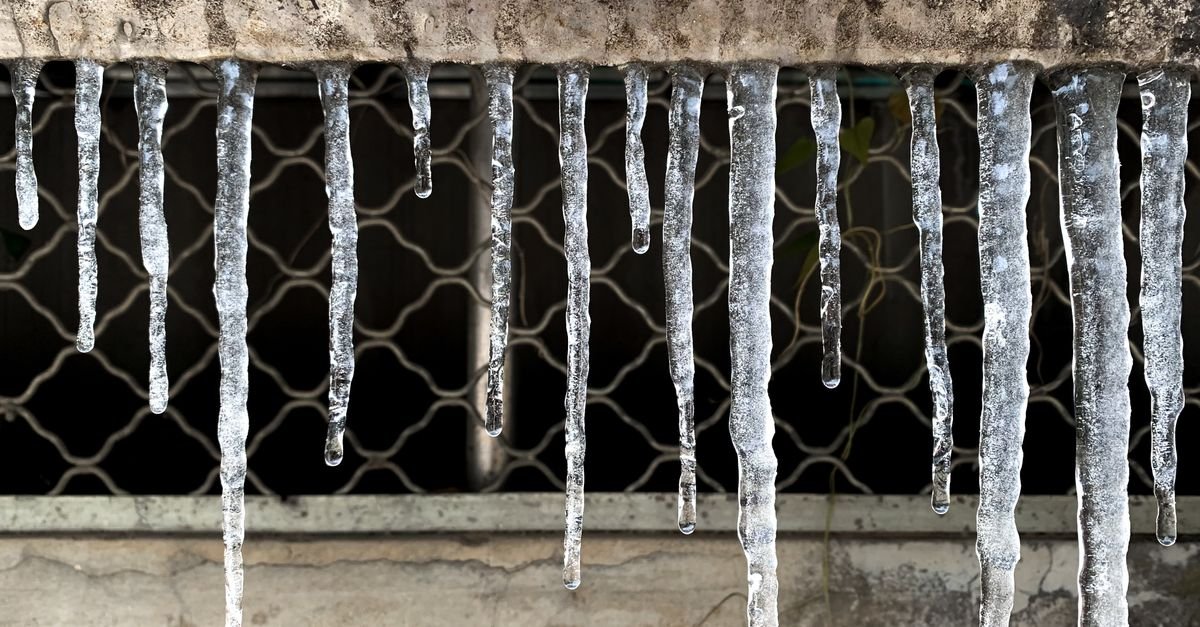
Three things identify it. The oil emerges from the middle of a casting rather than a seam, a fitting or a cap. Tightening things changes nothing. And there is very often a matching water leak or a pressure complaint arriving in the same week, because ice rarely damages one thing politely.
A cracked casting is not a repair. Epoxy on an aluminium pump body that sees thermal cycling and vibration is a way of postponing a decision, not making one. What makes this the most annoying entry on the list is that the prevention costs about thirty seconds and a squirt of pump saver, which is the entire argument of winterizing the machine properly.
Is It Safe to Keep Using a Pressure Washer Leaking Oil?
For one session, with a check before and after, usually yes. As a way of life, no — and the reason is not the oil you can see.
A pump crankcase has no low-oil sensor. The engine has one, and it will cut the engine before damage; the pump has nothing, and a pump that runs dry does not warn you, slow down or make a noise you would recognise until the bearings have already scored. That turns a leak into a seizure, and a seal job into a pump purchase, in the space of one long afternoon.
So measure it rather than watching it. Wipe the dipstick, note where the level sits, run the machine twenty minutes under load, and read it again. If you can see the level move in twenty minutes, stop using it and fix it. If you cannot, you have time to order the part.
Two other things deserve a mention while the machine is running. Oil landing on a hot muffler smokes and smells before it does anything worse, so a gas machine leaking from the engine side should not be run in a closed garage. And oil on a driveway is a stain you will be back to deal with with this very machine, which is a special kind of circular. Put the cardboard down.
What Each Fix Costs and Where I Would Stop
Every figure in circulation for these parts is a retailer listing that will have moved by the time you read this, so what follows is the order of magnitude and the order of operations, not a price list. Price your own pump using the casting number on the pump body, not the model number on the machine.
| Fault | The fix | Effort |
| Shipping plug still fitted | Vented cap or dipstick | Minutes, single-digit dollars |
| Overfilled crankcase | Drain to the middle mark | Minutes, free |
| Loose drain plug or crush washer | Tighten, or a new washer | Minutes, pennies |
| Cracked sight glass | Replacement gauge | Half an hour, cheap |
| Worn seals, triplex pump | Seal kit, pump off the engine | An afternoon, moderate |
| Worn seals, axial pump | Replacement pump | An hour, the price of a pump |
| Cracked casting | Replacement pump | An hour, the price of a pump |
Here is the opinion, and it is not a popular one: an axial pump leaking oil from its crankshaft seal is not a repair job, it is a purchase decision, and the sooner you accept that the less you spend. The mechanism is the whole argument. Axial and wobble-plate pumps are built as sealed assemblies with no published seal kit, no service manual and no torque figures, because they were designed on the assumption that nobody would open one. You can get a seal into one. You will spend more on the puller, the driver and the second attempt than a bolt-on replacement pump costs, and the crank, bearings and plungers you did not replace carry on ageing regardless.
On a triplex the answer flips, because the kits exist and the pump is worth the labour. Where exactly the line falls between a kit and a new pump is the question the pump repair article prices out in detail.
Simpson, to its credit, does not pretend otherwise. Its own troubleshooting page sends engine-side leaks to the drain plug and the dipstick O-ring first, then states flatly that any oil leaking from the pump needs a trained technician. That is the right answer for a manufacturer to publish and a frustrating one to receive, which is most of why this article exists.
And before anyone writes off the machine: a dead pump sitting on a healthy engine is a pump problem. Engines routinely outlast the pumps bolted to them.
FAQ
Why is my pressure washer leaking oil from the bottom?
Because oil runs downhill, the bottom of the frame is where almost every leak arrives, regardless of where it started. Degrease the machine, put cardboard underneath, run it ten minutes, then follow the fresh trail upward to the highest wet point. That point is the source.
Can I still use a pressure washer that is leaking oil?
For a single session, if you check the oil level before and after. A pump crankcase has no low-oil warning, so a pump that runs dry gives no signal until the bearings are damaged. If the level visibly drops over twenty minutes of use, stop and fix it first.
How do I tell engine oil from pump oil on a pressure washer?
Pull both dipsticks and see which reservoir reads low. Failing that, engine oil darkens with use and smells of combustion, while pump oil stays honey-coloured. Most electric machines have no engine oil at all, so any oil on the floor is pump oil.
Why is my brand new pressure washer leaking oil?
Most often because the solid shipping plug in the pump’s oil fill hole was never swapped for the vented cap or dipstick supplied in the parts bag. The crankcase cannot vent, pressure builds as the oil warms, and it escapes past the crankshaft seals. Check the cap before anything else.
Can overfilling the pump oil cause a leak?
Yes, and manufacturers list it as a cause. A crankcase needs air space above the oil so it can expand and vent. Filled to the brim, the oil pushes out through the vented filler cap and then past the seals. Drain to the middle of the sight glass or between the dipstick marks.
What seals leak oil on a pressure washer pump?
A triplex crankcase typically has a seal on each plunger rod plus two crankshaft oil seals. Oil appearing at the joint between the crankcase and the manifold points to the plunger rod seals; oil around the bearing cover points to a crankshaft seal and often the bearing behind it.
Is a pressure washer oil leak worth fixing?
On a triplex pump, usually yes — seal kits are published and the pump is built to be opened. On a sealed axial pump there is no kit to buy, so the practical repair is a replacement pump, which frequently costs less than the tools and time a home attempt would take.
Follow the Drip Back Uphill
Nothing on that list is diagnosed by staring at the puddle. Clean the machine, put cardboard under it, run it hot, and find the highest wet point — and then a fault that felt like a dead machine turns out to be a cap, a plug, a level, a seal or a casting, in roughly that order of likelihood and exactly that order of cost.
Check the free things first. The overfill and the shipping plug cost nothing to rule out and between them account for a startling share of the leaks that get sent to a service centre. And if it does turn out to be the seal on a sealed pump, that is a hard afternoon but a short decision. The engine sitting above it is almost certainly fine, and it will happily take a new pump.