Last Updated on September 25, 2026 by Umar Farooq
Cleaning concrete with TSP works on grease, soot and chalked paint, and does almost nothing to rust, efflorescence or a cured paint film — because trisodium phosphate is an alkaline builder, not an acid and not an oxidiser. It attacks fats. That is the whole job description.
So it is not a general concrete cleaner that happens to be strong. It is a specialist people reach for by reputation, get an indifferent result from, and then blame the slab for. For the wider map of which family attacks which molecule, the rundown of concrete cleaning chemicals by pH covers all five. This page takes one apart: what it is, what is really in the box, the ratios, and the step that quietly ruins more paint jobs than any other.
So What Is Trisodium Phosphate, Chemically?
Na3PO4, and the interesting part is what happens in water. It is the salt of a strong base and a weak acid, so it hydrolyses: the phosphate ion pulls protons off water molecules and leaves hydroxide behind. A strongly alkaline solution, from something containing no hydroxide to begin with.
How alkaline depends on how much you use, which is why the figure on a safety data sheet repays a careful read. Savogran lists its TSP at pH 11 to 12 for a 1% solution, and gives the contents as 75 to 80% trisodium phosphate dodecahydrate with 20 to 25% sodium sesquicarbonate (Savogran TSP safety data sheet). Nobody mixes at 1%, and even the honest product is a fifth something else. Hold on to that 20%. It matters two sections from here.
The right word for TSP is *builder*. A builder does not clean by itself. It raises pH, holds it there while the reaction runs, and locks up the calcium and magnesium in hard water so surfactants are not wasted making scum. Bleach kills and bleaches, acid dissolves minerals, and a builder makes the alkaline route possible.
Saponification Is Why Grease Gives Up
At high pH the ester bonds holding a fat or an oil together come apart. The fatty acid chains end up as sodium salts — soap — and the glycerol backbone goes into solution on its own. That is not a metaphor. It is soap manufacture, happening on your driveway, using the stain as the raw material.
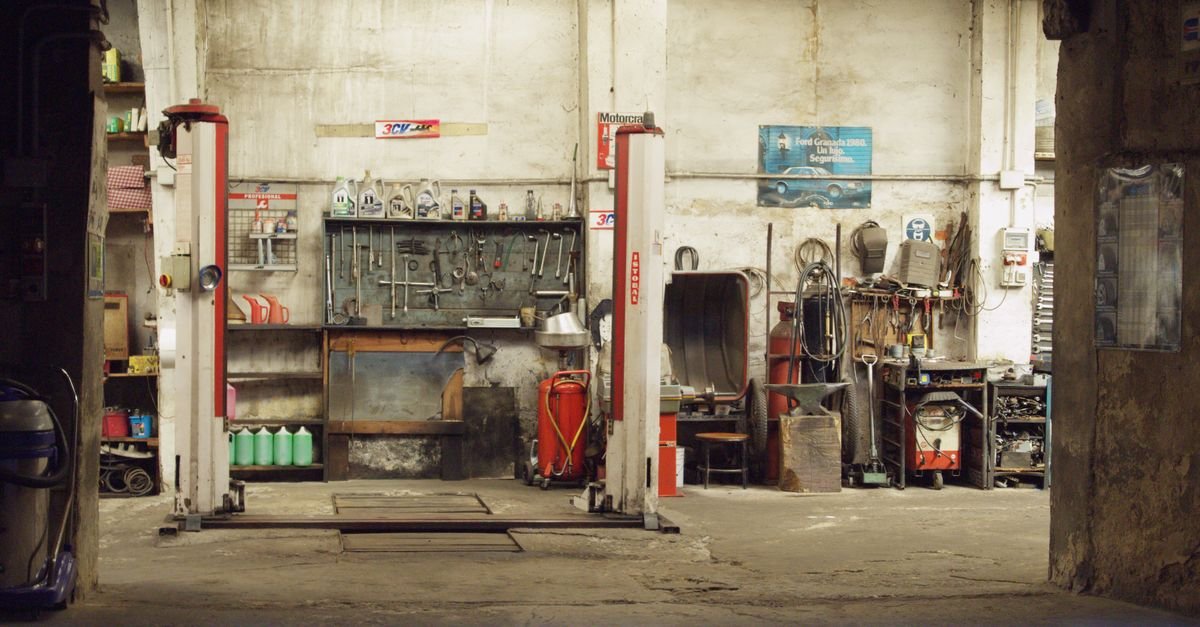
The mechanism explains the exact shape of TSP’s talents. Cooking grease, animal fat, soot from a chimney or a barbecue, the chalky degraded binder on weathered paint, the grey film on a workshop floor — all of it either saponifies or sits in a matrix that does.
It also explains the gap most articles skate over. Motor oil is mostly hydrocarbon, and a hydrocarbon has no ester bond to break. An alkaline degreaser still moves it, by emulsification rather than saponification, and does nothing about the oil already wicked millimetres into the pores — a different job, covered in whether pressure washing removes oil stains from concrete. Hot water helps both ways, which is why every direction sheet I have read specifies warm or hot rather than cold.
Read the Box Before You Trust the Name
Here is the part that changes what you should buy, and the reason I went to the safety data sheets instead of the marketing copy. Phosphates are restricted in consumer cleaners across much of the US, so the shelf is now full of boxes labelled *TSP Substitute* or *phosphate-free TSP*. Those boxes do not contain trisodium phosphate. They contain no phosphate at all.
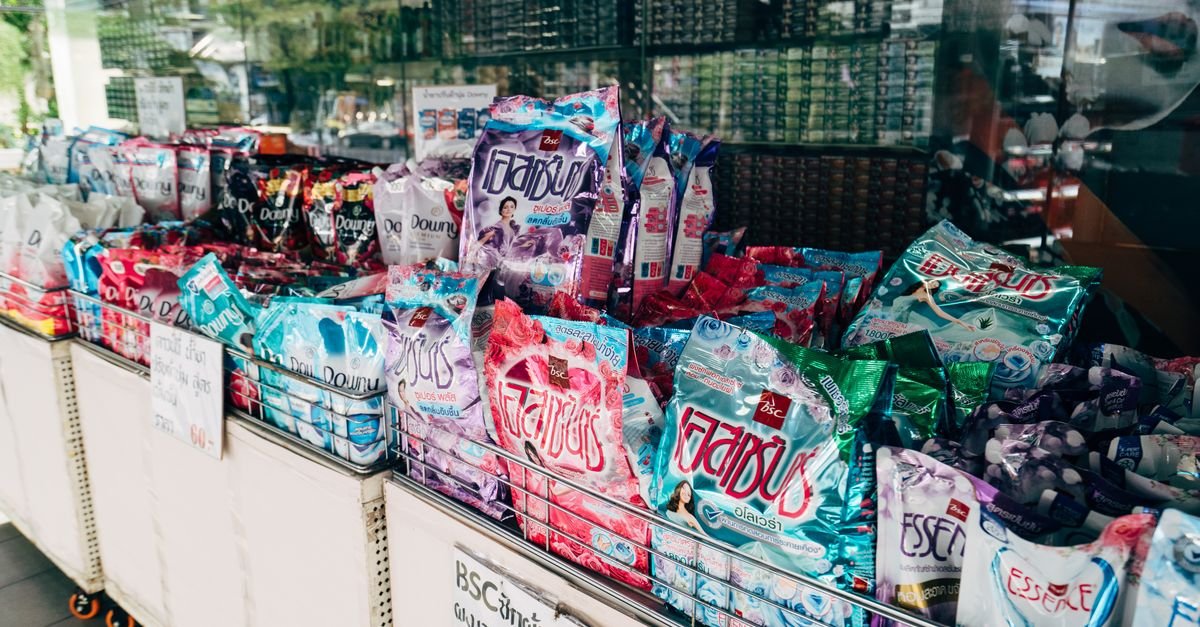
Savogran’s phosphate-free version is 90 to 95% sodium sesquicarbonate, 0.1 to 5% sodium metasilicate and 0.1 to 5% tetrasodium EDTA, at pH 10 to 11 for a 1% solution (Savogran TSP-PF safety data sheet). Set that beside the real thing and the substitution is plain. The 20% extender has become 90% of the product, metasilicate supplies the missing alkaline punch, and EDTA does the water-softening job the phosphate used to do. The 1% pH lands a full unit lower, which on a logarithmic scale is ten times less hydroxide at the same dilution — so they are not interchangeable at the same scoop, whatever the front of the box implies.
My opinion, and the only strong one here: buy the phosphate-free box anyway for outdoor concrete. Not on sentiment, but on two mechanisms. Sesquicarbonate and metasilicate rinse out of a porous slab more readily than phosphate salts do, which matters enormously two sections from here. And the phosphate you would otherwise sluice toward a drain is a fertiliser — the EPA lists soaps and detergents among the household sources of the nitrogen and phosphorus that stormwater carries off hard surfaces into local waterways (US EPA, Sources and Solutions). A driveway is precisely the hard surface being described. You scrub slightly longer, and that is the whole cost.
Cleaning Concrete With TSP: Mixing by the Size of the Job
Manufacturer directions are written for walls and woodwork, not slabs, so they need translating. Savogran’s printed instructions for the phosphate-free product call for a quarter cup in two gallons of warm water for heavy-duty work, an eighth of a cup in two gallons for household cleaning, and half a cup in three quarts plus a quart of fresh chlorine bleach for mildewed decks and siding.
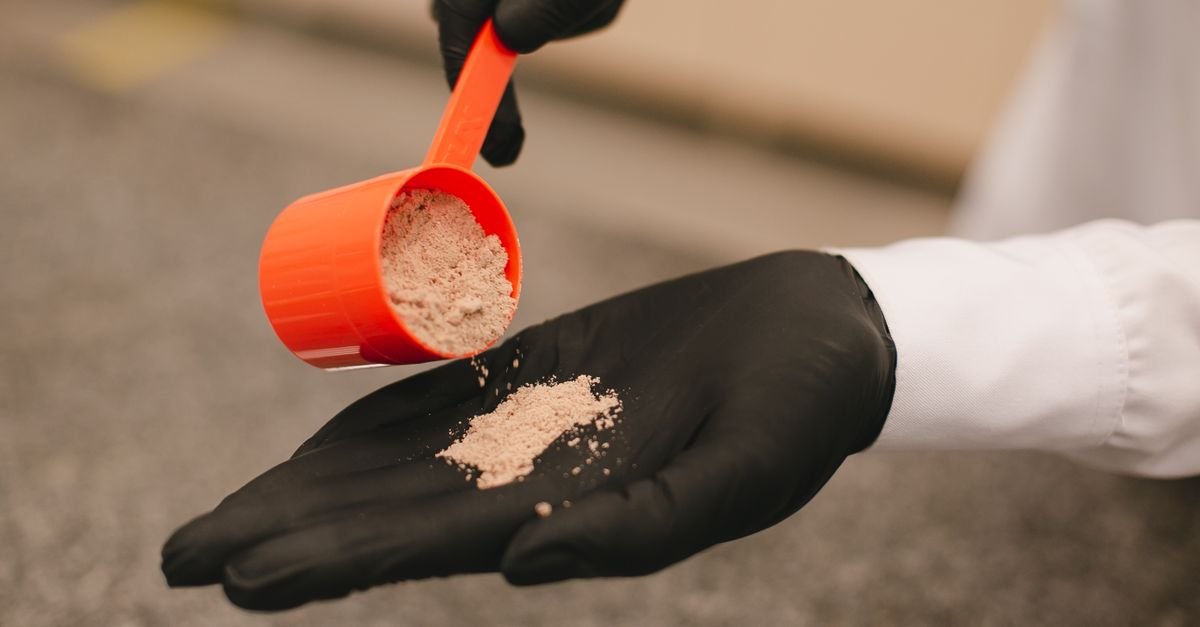
Concrete is the heavy-duty end and then some. A slab is porous, it has absorbed the soil rather than merely carrying it, and a fair share of what you pour vanishes into the surface before doing anything. So the widely published homeowner figure for concrete — a quarter cup of powder per gallon of hot water, rising to half a cup per gallon for a genuinely greasy floor — sits above the manufacturer’s heavy-duty ratio on purpose. Start at the quarter cup. Mixing stronger takes thirty seconds; getting it back out of the pores does not.
1. Sweep properly first. Wet grit under a brush is an abrasive, and TSP is not a polish.
2. Pre-wet the concrete with plain water. A dry slab drinks the solution straight down and you lose the dwell.
3. Add powder to water, never water to powder. The SDS calls for a dust respirator where dust is formed, plus gloves and goggles, and dust is exactly what you make pouring liquid onto a heap of powder.
4. Keep it wet for ten to fifteen minutes. A dried film has stopped working while leaving all its residue behind.
5. Agitate with a stiff synthetic brush, not a wire one. Wire leaves steel fragments in the pores that rust within a fortnight.
6. Rinse, twice. The next two sections explain why.
The protective kit is not theatre. Savogran classifies both versions as skin and serious eye irritants and prints “may cause burns” on the label. Safety glasses cost less than the parking at the hospital.
Rust, Efflorescence and Cured Paint Are Not Its Problem
The refusals are as useful as the successes. Orange rust staining is iron oxide: no ester bond, no fat to convert, nothing an alkaline solution can offer. That stain wants an acid or a chelating agent, which is a different chemistry and a different article.
The white bloom of efflorescence is salt that has migrated out of the slab, and adding more dissolved salt achieves little. Cured paint is a cross-linked film sitting on the concrete rather than a soil soaked into it, so TSP strips the chalky degraded binder off a weathered surface and stops dead at the sound film underneath. Precisely why painters like it, and precisely why it is not a stripper.
Then the biological one, which catches people out. TSP is not a biocide. It lifts a green or black film because the film is bound in organic matter, the slab looks clean, and the growth returns on schedule because nothing in the bucket killed anything. Algae, moss and the black stain on a shaded path want sodium hypochlorite with real dwell time — cleaning concrete with bleach has the dilutions.
The Alkaline Film That Peels Paint Six Months Later
This is the costly mistake in the title, and it is almost always made by someone doing everything else right. TSP’s biggest use is surface preparation before painting. Its biggest failure is being left on the surface it was preparing.
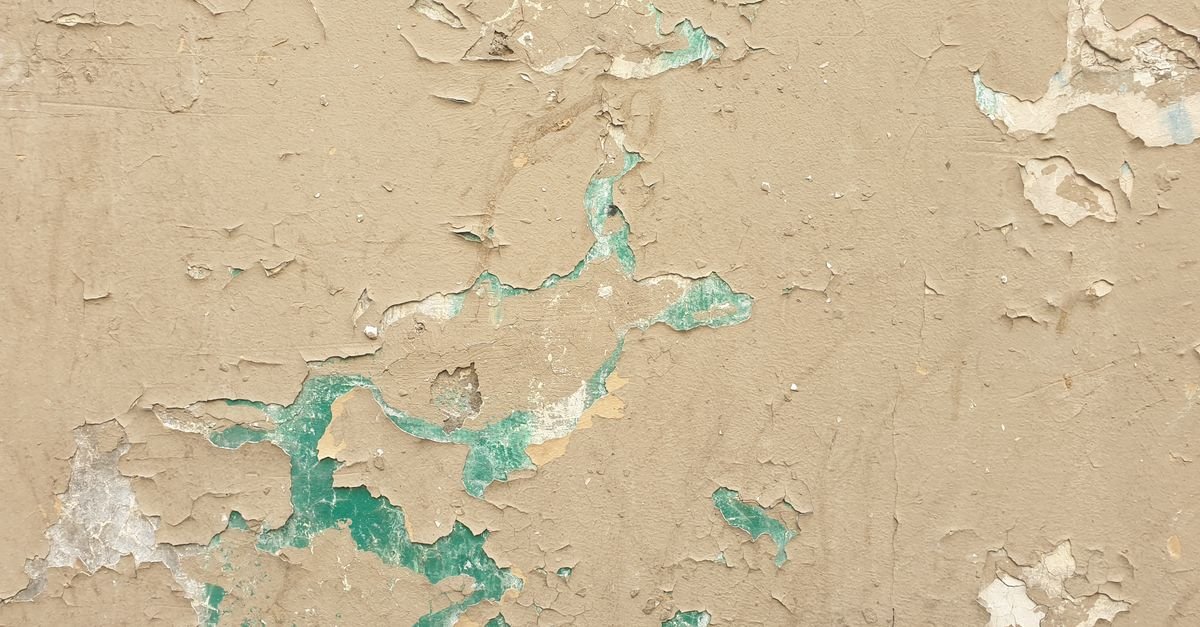
The residue is a soluble alkaline salt. Dried in place, it forms a thin, faintly gritty, hygroscopic film between the concrete and whatever goes on next. A coating cannot bond through a layer of salt — it bonds to the salt. Moisture then moves through the slab, the salt takes up water, and the film holding on to it lets go, months later, long after anyone has connected it to the wash.
Concrete makes this worse than drywall ever could, because the pores hold a reserve. A surface rinse takes the film off the top and leaves solution a few millimetres down, which wicks back out as the slab dries and re-deposits on the surface you just dried. Hence two buckets, two rinses, fresh water for the second, and a water change the moment it looks cloudy.
I went looking for a published maximum residual alkalinity that a concrete coating will tolerate, so I could hand you a number to test against. I could not find one that applies generally — coating manufacturers publish their own pH windows and they do not agree. So the honest instruction is procedural: rinse until the runoff stops feeling slippery between your fingers, and if you own pH strips, until it reads close to your tap water.
Aluminium, Borders and Where the Rinse Water Goes
Both safety data sheets carry the same warning, and it is the one people miss: solutions in water are highly alkaline and may produce hydrogen gas in contact with aluminium. Alkali attacks aluminium the way acid attacks iron. That stops being a laboratory curiosity the moment your slab meets a garage door bottom rail, an aluminium threshold, a downspout or the feet of the ladder in the corner. Mask them, or rinse any splash straight away. The sheets also note that TSP reacts with acids to give off carbon dioxide — milder than the chlorine gas problem, same principle: do not follow an alkaline wash with an acidic etch on a slab that still holds residue.
Then the borders. Alkaline runoff is hard on soil and foliage, phosphate runoff is fertiliser arriving somewhere nobody chose, and Savogran’s environmental line for both products is blunt: do not release into sewers or waterways. Soak the beds with clean water first so they are saturated and shed rather than absorb, lay a rolled towel along the low edge to steer the flow, and rinse the borders again afterwards. If your slab drains straight to a storm inlet, the phosphate-free box stops being a nicety and becomes the answer.
FAQ
Does TSP damage concrete?
Not the concrete itself. Cement paste is alkaline already, so an alkaline cleaner has nothing to dissolve in it — the exact opposite of the acid problem. What it can damage is what sits on the slab: some sealers, some coatings, and the sheen on glossy paint. Test an out-of-the-way patch on any sealed or decorative floor.
What is the TSP to water ratio for cleaning concrete?
A quarter cup of powder per gallon of hot water is the usual starting point, going to half a cup per gallon for heavily greasy floors. Manufacturer directions written for walls are weaker — Savogran specifies a quarter cup in two gallons for heavy-duty work — because a wall does not absorb the solution the way a slab does.
Is TSP substitute as good as the real thing?
For most concrete jobs, close enough, and before coating it is arguably better because it rinses out more readily. It is a different chemical: Savogran’s phosphate-free product is 90 to 95% sodium sesquicarbonate with small amounts of metasilicate and EDTA, and its 1% pH is a full unit lower. Expect to scrub harder on heavy grease.
Do you have to rinse TSP off concrete?
Yes, and twice. The residue is a soluble alkaline salt that stays in the pores, wicks back to the surface as the slab dries, and stops paint or sealer bonding. On concrete, rinsing is not the tidy-up at the end. It is part of the job.
Can you mix TSP and bleach?
Yes, and this is one of the few combinations that is genuinely fine — Savogran prints a mildew recipe that does exactly that. The pairing to avoid is TSP followed by an acid. Never put bleach and an acid on the same surface, in either order, on the same day.
Two Rinses, or Do Not Bother
TSP earns its place on a short list: a greasy garage floor, a sooty hearth surround, chalked paint on a slab you are about to recoat. Outside those, something else does the work better, and on algae it does no work at all.
If you take one thing from this page, make it the rinse. Every other part of the process is forgiving — mix it weak and you scrub longer, cut the dwell short and you go round again — but skip the second rinse before you paint and you will find out about it next spring, from the far end of the driveway, in sheets.