Last Updated on September 25, 2026 by Umar Farooq
Pressure washer pumps come in three families — wobble plate, axial cam and triplex plunger — and which one is bolted to your machine decides whether it lasts two seasons or ten, regardless of the PSI printed on the box. Wobble and axial pumps are sealed units that get replaced when they fail. Triplex pumps have serviceable valves, packings and plungers, and get rebuilt indefinitely.
Here is the opinion this whole page rests on: you are not buying a pressure washer, you are buying a pump with an engine attached. Two machines can both claim 3,000 PSI and be built for completely different lives, because pressure comes from the nozzle restricting flow — the pump only has to survive making that flow. A sealed axial pump is rated in the hundreds of hours. A triplex is rated in the thousands. That gap, not the headline number, is the spec sheet’s only honest line.
The box will never tell you this, which is fair enough. “Contains a pump that cannot be repaired” is not a selling point.
Three Pump Families and the Job Each One Was Built For
Every pressure washer pump does the same job — pull water in, push it out at volume — and the three designs differ only in how they convert rotation into that push. That mechanical difference then sets everything else: speed, heat, lifespan and whether a repair is even possible.
| Pump family | Typically fitted to | Supports roughly | Designed life | Rebuildable | Built for |
| Wobble plate | Entry electric machines | 1,300–2,000 PSI, 1.2–1.5 GPM | 200–300 hours | No | Occasional light use |
| Axial cam | Most gas machines and better electrics | 2,000–3,400 PSI, 2.0–2.8 GPM | 500–800 hours | Rarely | Seasonal homeowner work |
| Triplex plunger | Prosumer and commercial machines | 2,000–5,000+ PSI, 3.0–8 GPM | 3,000–10,000 hours | Yes, fully | Daily or paid work |
Two things in that table are worth sitting with. The first is that the PSI ranges overlap heavily — a good axial and an entry triplex will both give you 3,000 PSI, so pressure alone tells you almost nothing about which you have. The second is the lifespan column, where the numbers are not close. They are an order of magnitude apart.
Flow is the honest capability number here, and it is the one the pump genuinely controls. If you are still working out how much of it you need, our guide on what GPM pressure washer you need covers the sizing side properly.
Wobble Plate: The Pump Inside Almost Every Cheap Electric
A wobble plate pump uses an angled plate spinning on the motor shaft. As it wobbles, it pushes three small pistons forward one at a time. Springs push them back. That is the entire design, and the springs are the whole limitation.
Spring return means the piston’s return stroke is doing no useful work and losing energy to friction, so wobble pumps run hotter and less efficiently than anything else in the category. They also spin at full motor speed, typically 3,400 RPM or above, because they are bolted straight onto the shaft. Heat plus speed plus a small sealed body is a short life by design, not by accident.
None of that makes it a bad pump. It makes it a correctly specified one. A wobble plate pump is the cheapest reliable way to make 1,700 PSI at 1.4 GPM, and 1,700 PSI at 1.4 GPM will clean a car, a set of garden chairs, a fence panel and a modest patio without complaint. If you use the machine six times a year, the pump will outlive your interest in owning it.
What you cannot do is fix it. There is no dipstick, no drain plug and no seal kit. When the seals go, output drops and the pump weeps, and the machine is finished. That is not a scandal at the price — it just needs to be known before you buy, rather than discovered in year three.
Axial Cam: What Most Gas Machines Actually Have
The axial cam pump is the default in the middle of the market: almost every gas homeowner machine and most electrics above 2,000 PSI. A swash plate drives three pistons that travel parallel to the driveshaft — axial, hence the name — which is more efficient than a wobble design and roughly two to three times longer lived.
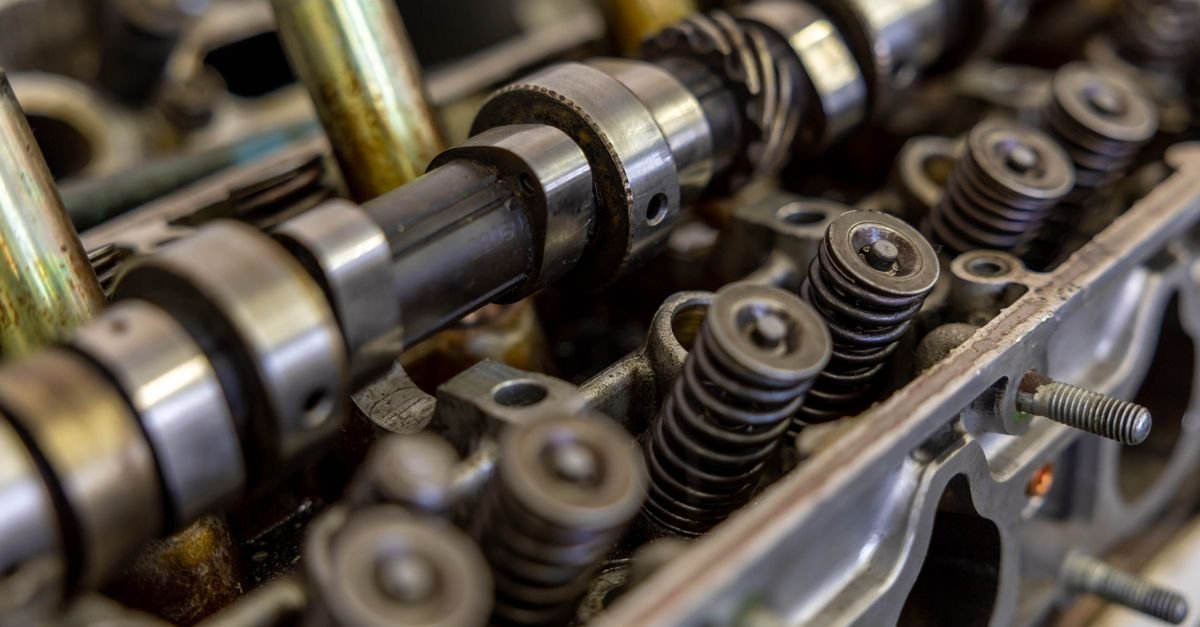
It is also the pump with the most confusing documentation, because manufacturers describe the same property two different ways depending on which side of the sentence they are on. Generac’s own support page is refreshingly direct about both halves: the axial cam pump “is lubricated and sealed at the factory for the life of the pump”, so “no oil maintenance is required by the end user” — and, in the same article, “the pump cannot be rebuilt if an internal failure occurs” (Generac support).
Read those together and the marketing phrase decodes cleanly. Maintenance-free and non-repairable are not two features. They are the same fact, described by the department that got to the page first.
Not every axial pump is sealed, though, and this is where people get caught out. Plenty of mid-range and prosumer axial pumps do have a fill plug, a dipstick and a stated oil change interval. Those are the better ones, because a serviceable oil bath is the manufacturer admitting the pump is expected to accumulate hours. Check your specific model’s manual rather than the general category — “axial” tells you the mechanism, not the service schedule.
The axial pump’s real enemy is heat, and heat comes mostly from bypass — running the engine with the trigger released so water recirculates inside the pump with nowhere to go. Our guide to the commercial vs residential pressure washer split covers duty cycles and bypass time in detail, and it is the single most useful thing an axial-pump owner can read.
Triplex Plunger: Why It Outlives the Engine Bolted to It
A triplex pump is built like a tiny three-cylinder engine turned inside out. A real crankshaft runs in a real crankcase with a real oil bath, connecting rods drive three plungers spaced 120 degrees apart, and each cylinder has its own spring-loaded inlet and discharge check valves.
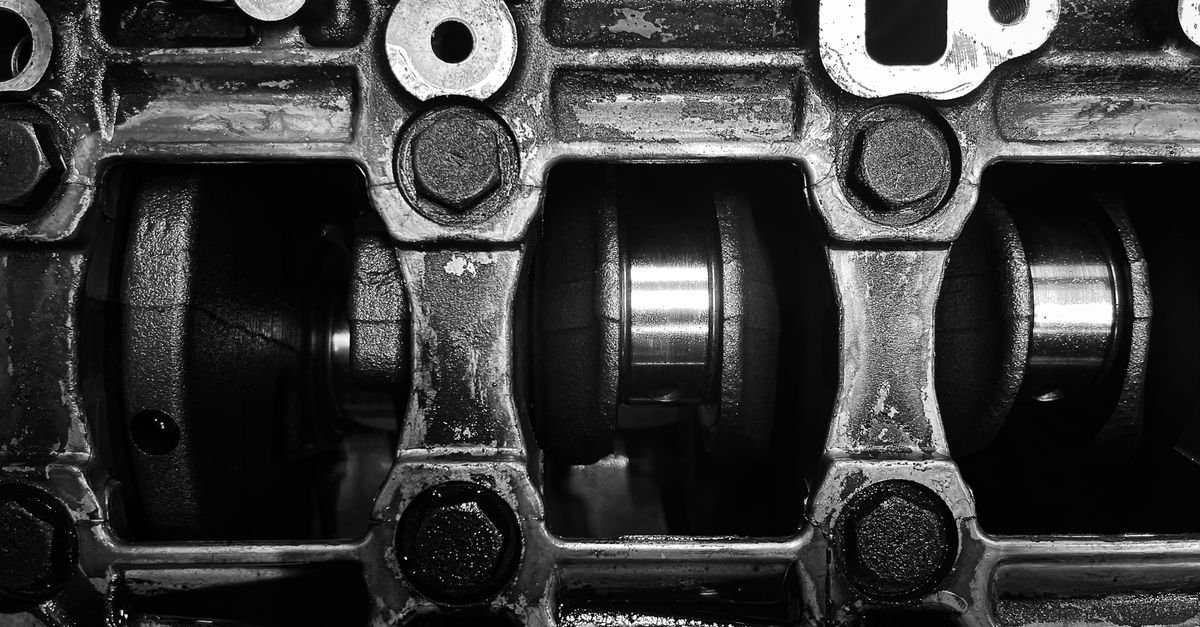
Three consequences follow, and all three are why the design survives:
- The plungers are ceramic or ceramic-coated and run against replaceable packings rather than inside a sealed cartridge. The wear happens on parts that are meant to be consumed and swapped.
- The crankcase carries enough oil to shed heat across a working day instead of soaking it up until the seals give in.
- Everything is a stock part. Packings, valve assemblies, O-rings, plungers and seats are catalogue items with part numbers, so a rebuild is a bench job rather than a purchase.
The drive arrangement varies more than people expect. Cat Pumps lists several fitments for the same pump — “hollow shaft for direct drive”, “belt drive to electric motors and engines”, and “direct drive with bell housing and flex coupler” (Cat Pumps). Belt drive is the longevity option: pulleys spin the pump at roughly 1,450–1,750 RPM instead of engine speed, which halves the wear rate and isolates the pump from engine vibration.
Here is the part the upgrade pitch leaves out. A triplex pump is a commitment, not a reward. Those elastomer packings stay pliable because water passes over them and oil sits behind them. Leave a triplex machine dry in a shed for eight months and the packings shrink, harden and take a set — so a pump engineered for 5,000 hours can be ruined in three seasons without ever reaching thirty hours of work. Pump saver before storage is not optional on these; our walkthrough on how to winterize a pressure washer covers the sixty seconds involved.
Buying a triplex and then not using it is the most expensive way to own a pump.
Find Out Which Pressure Washer Pumps You Already Own
Most owners have no idea which pump they have, because the brand on the shroud is almost never the company that made it. Pressure washer pumps are supplied by a handful of specialists — Annovi Reverberi, Comet, General Pump, Cat Pumps, and house brands like OEM Technologies — and the machine assembler bolts one on and puts its own sticker on the outside.
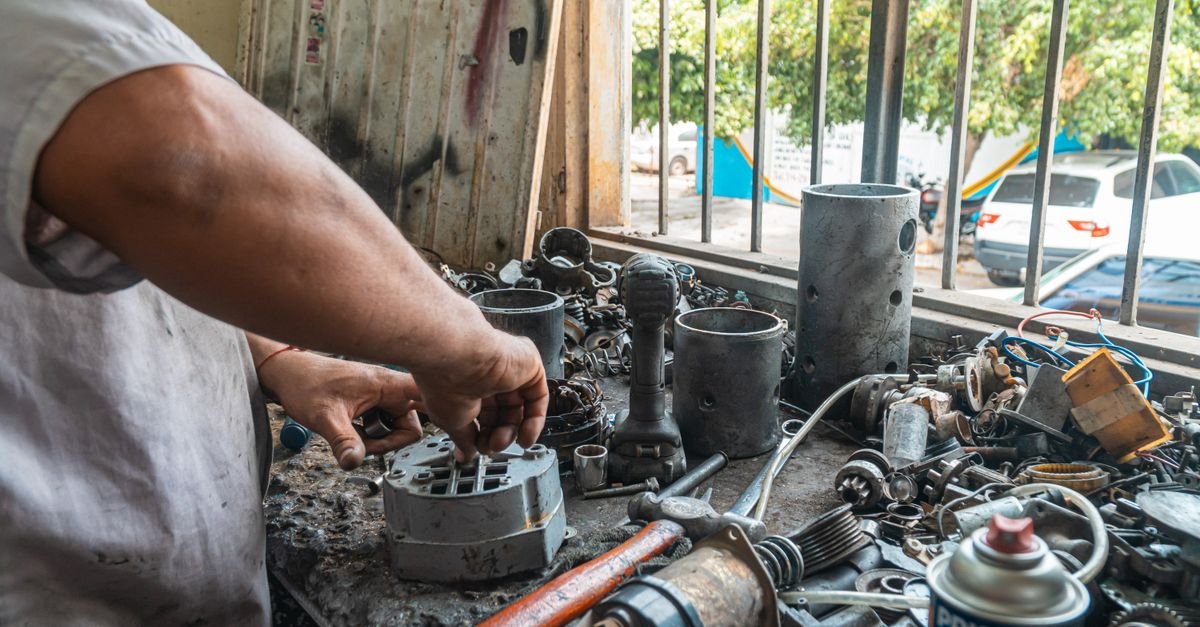
Four checks, in order, and none of them need tools:
1. Find the pump’s own model number. Take the plastic shroud off if there is one. The number is cast into the top of the head, stamped on a flat, or on a silver sticker on the side of the crankcase. It will look like a code, not a product name.
2. Look for a dipstick or a fill plug. A visible oil fill, a sight glass or a drain bolt means the maker expects the pump to run enough hours to need servicing. A smooth casting with nothing to open means sealed.
3. Count the valve caps. A triplex head has three hex caps in a row on top and often three more on the inlet face — one pair per cylinder. Wobble and axial heads are plainer, with the ports plumbed straight into a single casting.
4. Look at how it is driven. Pump sitting directly on the engine crankshaft with nothing between them is direct drive. Pulleys and a belt mean the pump is geared down, which effectively confirms a triplex.
Then do the one search that settles it. Type the pump’s model number followed by “rebuild kit” or “packing kit”. If valve kits, seal kits and plungers come back with part numbers, your pump is serviceable and worth repairing. If the only result is a whole replacement pump, you own a consumable, and that is your answer about the machine’s realistic lifespan too.
This is a genuinely useful trick to run *before* you buy, not just after something fails. Replacement pumps are sold on an open market with published prices. Look up what the pump inside a machine costs as a spare part, and compare that to the machine’s price. When the pump is most of the machine, you are buying something disposable with a handle on it.
The Two Build Details That Predict Failure Before Type Does
Pump family is the first filter. Within a family, two material choices do more to predict failure than anything else on the listing, and both are usually mentioned in one line of small print.
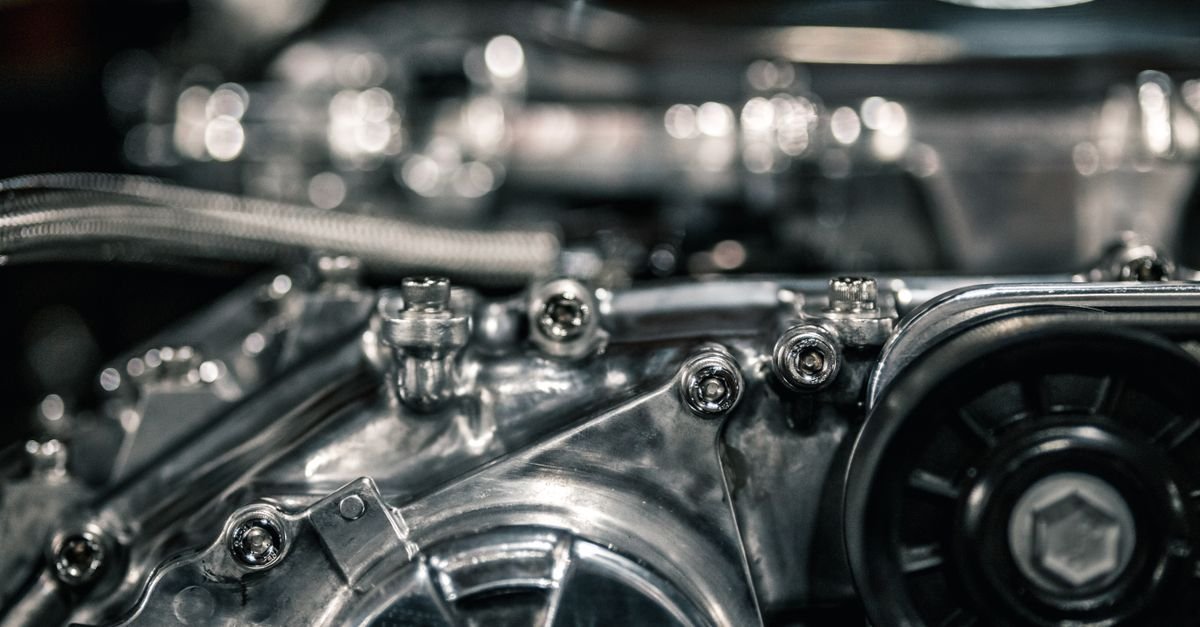
Brass or Aluminium Head
The head is the casting the water actually passes through, and it is the part that corrodes. Aluminium heads are lighter and cheaper, and they pit and gall around the seal bores as they age, which is what turns a slow weep into a dead pump. Brass is dimensionally stabler, handles hot inlet water better and corrodes far more slowly.
The size of the difference is not a rumour. Generac states plainly that its brass-head SpeedWash pump “lasts up to twice as long as aluminum pumps” (Generac support) — a manufacturer publishing a 2x figure against its own cheaper product is about as trustworthy as spec sheets get. If two machines are otherwise matched and one has a brass head, that line is worth more than 200 PSI.
Brass is not freeze-proof, incidentally. Water expanding inside any head will crack it. Brass simply gives you a longer wear life, not an exemption from winterizing.
Ceramic or Plated Plungers
In a triplex, the plunger slides through the packing thousands of times a minute, and its surface finish is what the packing wears against. Solid ceramic and ceramic-coated plungers are effectively harder than anything in the water, so the packing wears out on schedule and the plunger does not. Chrome-plated or nickel-plated steel plungers wear through the plating eventually, and once the base metal is exposed it chews through packings quickly — you end up replacing a kit every few months and blaming the kit.
On sealed axial and wobble pumps the equivalent detail is the piston sleeve material, which almost nobody publishes. That silence is itself informative.
Pick a Pump by Hours Per Year, Not by PSI
The spec sheet wants you to compare pressure. Compare hours instead, because hours are what the pump is rated in and pressure is not.
| Your realistic use | Hours per year | Pump to look for | What to prioritise |
| Car, bikes, garden furniture, small patio | Under 15 | Wobble plate electric | Low cost, light weight, storage indoors |
| Siding, fences, deck, one driveway a year | 15–50 | Axial cam, brass head if offered | Flow rate, a fill plug if you can get one |
| Large property, smallholding, several vehicles | 50–200 | Heavy-duty axial or entry triplex | Serviceability, 3/8 in hose, steel frame |
| Paid work, daily use, surface cleaners all day | 200+ | Belt-drive triplex | Rebuild parts availability, drive ratio |
The row people get wrong is the second one, in both directions. Someone who washes a deck and a driveway twice a year talks themselves into a triplex machine for longevity, then stores it dry for eleven months and destroys the packings without ever using the capability. Meanwhile someone running a side business on an axial machine wonders why the pump that was fine last summer has started weeping.
Each pump family fails when it is asked to live the wrong life. The axial pump dies of heat from being run too long; the triplex dies of dry seals from sitting idle. Neither of those is a defect, and neither is covered by a warranty, which is the most honest thing the warranty document contains.
If your pump is already giving you weak or wandering output, work through the causes in order before you condemn it — our guide to pressure washer low pressure starts with the free things, and nine times out of ten the pump is not the problem at all.
FAQ
What are the three types of pressure washer pumps?
Wobble plate, axial cam and triplex plunger. Wobble pumps use spring-returned pistons and are the cheapest; axial cam pumps use a swash plate driving pistons parallel to the shaft and dominate the homeowner market; triplex plunger pumps use a crankshaft driving three plungers and are the commercial standard.
How long do pressure washer pumps last?
Roughly 200–300 hours for a wobble plate, 500–800 hours for an axial cam and 3,000 hours or more for a triplex, assuming each is run within its duty cycle with clean cool water. Bypass time, running dry and freezing shorten all three figures dramatically.
Are pressure washer pumps interchangeable?
Not by brand. A replacement has to match shaft diameter, shaft orientation (vertical or horizontal), bolt pattern, and the machine’s rated PSI, GPM and RPM. Simpson, for example, offers its axial cam pumps “in both vertical and horizontal mount configurations” for exactly this reason. Match those specifications and the badge on the machine is irrelevant.
Can a pressure washer pump be rebuilt?
Triplex pumps can be, fully and repeatedly — packings, valves, seats and plungers are all catalogue parts. Most wobble and axial pumps cannot, because they are sealed at the factory. The reliable test is to search your pump’s model number for a rebuild kit; if one exists, the manufacturer expects repair.
Does a pressure washer pump need oil?
Triplex pumps always do, and have a dipstick or fill plug to prove it. Many axial pumps are sealed and lubricated for life with no user oil service at all, while others have a serviceable oil bath. Check the specific model, and never put motor oil in a pump — its detergent additives hold water in suspension, which is the opposite of what a pump wants.
Why is my pump rated for higher PSI than my machine?
Because the pump is a stock component with its own rating, and the assembler runs it below that ceiling to protect the hose, gun and unloader, and to give the pump headroom. A pump rated 3,400 PSI on a 3,000 PSI machine is normal and deliberate. Never adjust the unloader to chase the pump’s number.
Is a brass head pump worth paying for?
If you will accumulate real hours, yes. Brass resists the corrosion and bore wear that ends most aluminium-head pumps, and at least one manufacturer publishes a doubled service life for its brass-head model. If you use the machine three times a year, the head material will not be what kills it — storage will.
Read the Pump Before You Read the Box
The PSI figure on the front of a pressure washer describes one moment of performance. The pump underneath describes the machine’s entire life, and it is the only component whose failure usually ends that life rather than interrupting it.
So the sequence is: find the pump’s model number, check whether a rebuild kit exists for it, see whether the head is brass or aluminium, and work out honestly how many hours a year you will actually run the thing. Those four answers tell you more than every number on the packaging combined. The costly mistake is not buying the wrong class of pump — it is buying a class of pump for a life you were never going to give it.
And if the shroud is already off and you are holding a casting with a number on it that means nothing to you, you are further along than most owners ever get. Type it into a search bar. The parts catalogue will tell you what the marketing would not.